How to Select a Reactor Agitation Seal? Mechanical Seal vs Packing Seal by Working Condition
10/8/2026
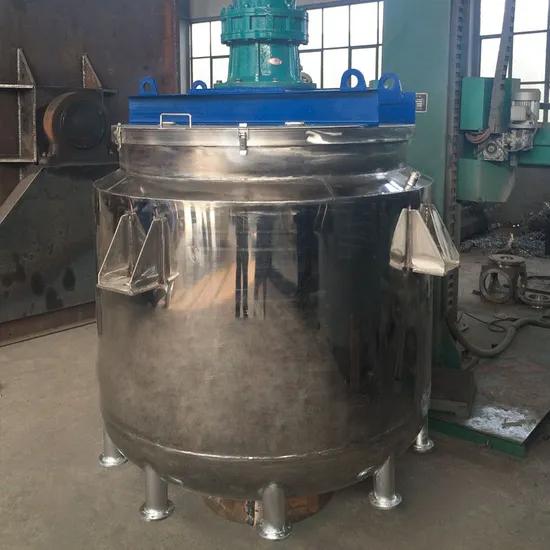
How to select a reactor agitation seal? For high-vacuum reaction, high-speed agitation and corrosive media, the agitation shaft seal of a reactor is a hotspot of leakage and contamination: a wrong seal choice means dripping material loss at best, and at worst vacuum cannot be maintained or the product is contaminated. One-sentence conclusion: the agitation shaft seal is selected by four criteria — leak-level requirement, vacuum degree, speed and medium characteristics. Strict requirements and high-speed/high-vacuum conditions call for a mechanical seal; low requirements and low-speed routine conditions are fine with a packing seal. This article compares the applicable scenarios of the two seal types and gives a selection method.
Why is the agitation shaft seal important?
The reactor agitation shaft enters the tank from the top, and there is a rotating clearance between the shaft and the tank body; the seal closes this clearance. A poor seal lets the medium leak out from the shaft seal: at normal pressure reaction leaks material; under vacuum reaction air leakage keeps the vacuum from reaching the required level; under pressurized reaction leakage also carries safety risk; in food and pharmaceutical applications seal leakage may contaminate the product. So the seal choice must be set by process importance: when leakage directly affects product quality and safety, the seal grade must be higher.
Packing seal: simple structure, low cost
The packing seal is the traditional shaft seal: packing rings are packed into the stuffing box, and after the gland is tightened the packing hugs the shaft surface, sealing by contact. Its advantages are a simple structure, convenient replacement and low cost, plus relatively tolerant requirements on shaft runout and installation accuracy; its disadvantages are frictional wear in operation, periodic tightening and packing replacement, and relatively large leakage — unsuitable for high-vacuum and strict-leakage requirements. The packing seal suits low-speed, normal-pressure, routine-medium reactions with low leakage requirements, and occasions where convenient shutdown replacement is available.
| Seal type | Leakage control (typical) | Suitable conditions |
|---|---|---|
| Packing seal | Small leakage allowed | Normal pressure, low speed, routine media |
| Single mechanical seal | Small leakage | Vacuum, medium-high speed, general media |
| Double mechanical seal | Near-zero leakage | High vacuum, corrosive, flammable and explosive |
Mechanical seal: small leakage, suited to high speed and vacuum
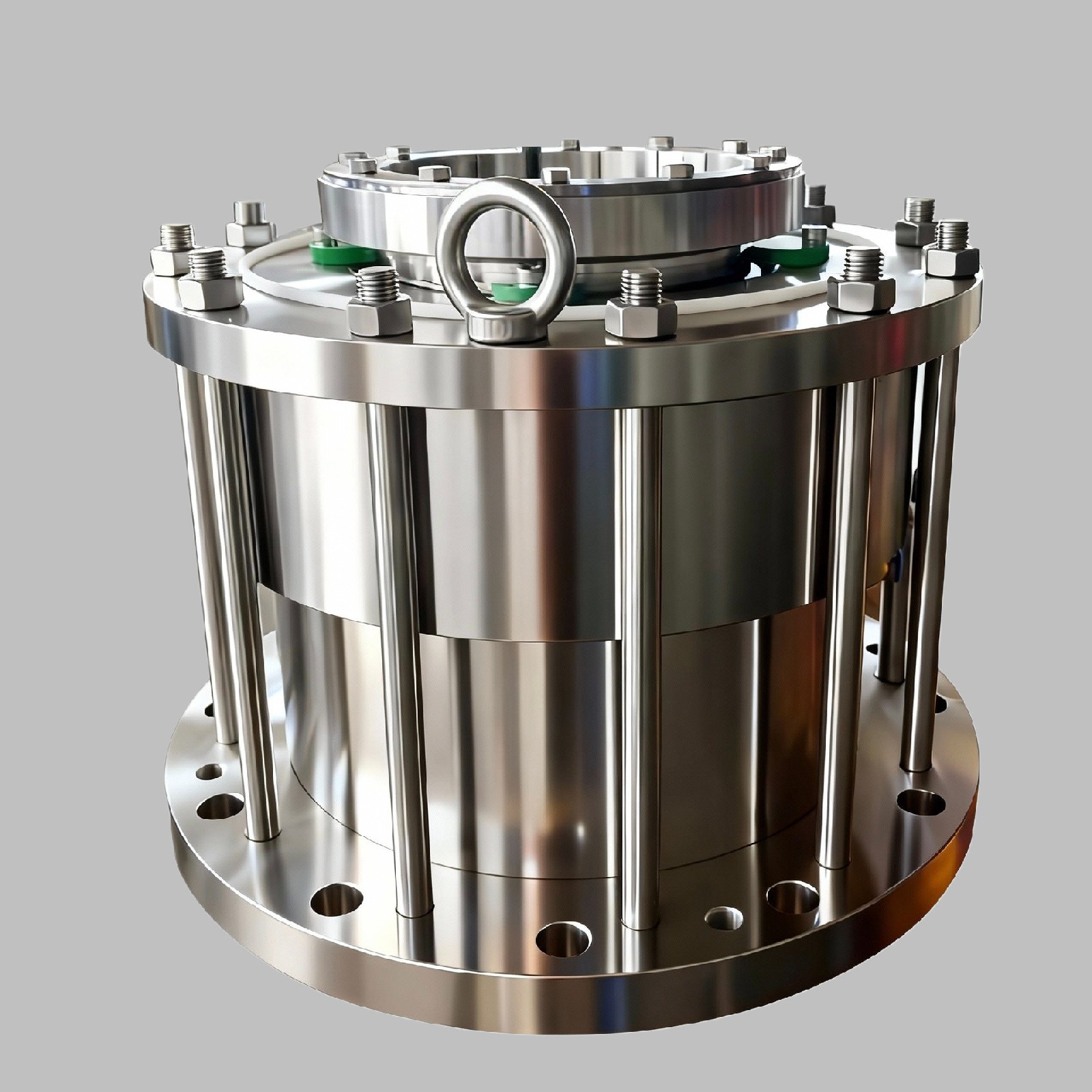
A mechanical seal seals by face contact between a rotating ring and a stationary ring; the faces stay in contact under spring force and medium pressure, and a liquid film forms between the faces during operation, giving far smaller leakage than a packing seal. Mechanical seals suit vacuum reactions, high-speed agitation and strict-leakage requirements: for reactors demanding high vacuum, a packing seal leaks air and cannot pull vacuum, while a mechanical seal stably maintains negative pressure. The disadvantages of a mechanical seal are its complex structure, high installation precision requirements and higher price, and replacement requires dismantling the agitation system, demanding a certain level of operation and maintenance.

Single or double mechanical seal: how to choose?
Mechanical seals come in single-face and double-face versions. A single mechanical seal has one friction pair — simple structure, moderate cost, suitable for general-vacuum, weakly corrosive media; a double mechanical seal has two friction pairs with sealing or barrier fluid injected between the faces, achieving near-zero leakage — suitable for high-vacuum, strongly corrosive, flammable/explosive or leakage-prevention-required media. The judgment between double and single is the severity of leakage consequences: conditions where leakage creates a safety risk must use a double seal; general processes are fine with a single seal.
How to select a seal for vacuum reaction?
Vacuum reaction is the home turf of the mechanical seal. When a reactor is evacuated, the shaft seal is one of the main air-leakage sources: under negative pressure a packing seal draws air in through the packing gaps and the vacuum naturally cannot reach the required level; a mechanical seal's faces fit closely with minimal air leakage and, together with the vacuum pump, can stably maintain a negative pressure at the level of -0.09 MPa. When selecting a mechanical seal for vacuum reaction, also note the barrier fluid and flush configuration: under vacuum the seal faces tend to run dry, so a barrier fluid tank or flush system is generally configured to provide lubrication and cooling.
How to select a seal for high-speed agitation?
The higher the agitation speed, the higher the shaft seal linear speed and the more severe the face friction and heat generation. For high-speed agitation conditions (linear speed above 10 m/s), check the applicable linear speed range of the mechanical seal by speed; beyond the range choose a high-speed mechanical seal or reduce the speed. Meanwhile, face temperature rises during high-speed operation and needs cooling and flushing. A packing seal wears rapidly at high speed, heats badly after tightening, and is generally not recommended for high-speed conditions.
How to select a seal for corrosive media?
Medium corrosiveness decides seal material and structure. Seal components contacting the medium must be corrosion-resistant: rotating and stationary rings are chosen by medium from silicon carbide, tungsten carbide or ceramic; O-rings and gaskets are chosen by medium from FKM, FFKM and similar; springs and metal parts use corrosion-resistant alloys. Corrosive-medium conditions also often come with a flush system: flushing liquid is fed into the seal chamber to dilute and carry away the medium, protecting the seal faces. At selection, provide the equipment maker with complete medium composition, concentration and temperature, and match seal materials on these parameters — never order on the words "mechanical seal" alone.
| Medium characteristic | Seal point (typical) | Supporting measures |
|---|---|---|
| High vacuum | Double or high-quality single face | Barrier fluid tank, vacuum monitoring |
| High-speed agitation | Verify model by linear speed | Cooling and flushing |
| Strongly corrosive | Corrosion-resistant seal material matching | Flush system, corrosion-resistant alloy |
| Flammable and explosive | Double face, zero leakage | Barrier fluid, leakage alarm |
How to maintain and replace a seal?
Mechanical seal maintenance focuses on preventing dry running and checking leakage: confirm liquid or flushing exists in the seal chamber before startup — never idle-run dry; periodically check for dripping at the shaft seal during operation — slight seepage can be observed, obvious leakage requires shutdown inspection; seal face life is generally set by condition and medium, and a seal is replaced upon persistent leakage or face damage. Replacing a mechanical seal requires dismantling the agitation system — protect the shaft and faces during the operation, control face specific pressure per the maker's instructions during assembly; improper installation is a common cause of early mechanical seal failure.
How to configure the flush and barrier fluid systems?
Mechanical seal life largely depends on the seal chamber working environment, and the flush and barrier fluid systems maintain that environment. The flush system injects clean liquid into the seal chamber to carry away friction heat and dilute/remove medium crystals or particles, preventing face dry running and particle wear; the barrier fluid system (for double seals) injects barrier fluid between the two face sets, forming a liquid film and isolation barrier, and the barrier fluid pressure should be slightly higher than the tank pressure to prevent medium leaking toward the barrier fluid side. Configuration points: flush and barrier fluids must be compatible with the medium and not contaminate the product; flush flow and pressure are set per the seal model manual; barrier fluid tank level and pressure should be included in routine inspection. In food and pharmaceutical applications, the flush fluid grade must also consider hygiene level to avoid introducing a new contamination source.
How does the seal selection process go?
Seal selection can be confirmed step by step: step 1 set the leak grade — determine allowed leakage by process importance, and directly choose a mechanical seal for safety-sensitive and high-cleanliness conditions; step 2 set the structure — confirm single or double face by vacuum and medium pressure, choosing double face for high vacuum and flammable/explosive media; step 3 set the specification — check the seal model's applicable linear speed range by shaft diameter and speed; step 4 set the material — match face, O-ring and metal part materials by medium composition and temperature; step 5 set the supporting — configure flush, barrier fluid or cooling systems by condition. After the five steps, provide the complete working-condition parameters to the equipment maker for review, then order — selection risk is minimized.
Common faults and troubleshooting
| Fault symptom | Possible cause (typical) | Handling direction |
|---|---|---|
| Persistent shaft-seal dripping | Face wear, spring failure | Replace seal, verify assembly |
| Vacuum cannot be pulled | Seal air leakage, packing clearance | Check seal, tighten or replace |
| Seal overheating and smoking | Dry running, insufficient flushing | Shut down, check flushing and lubrication |
| Short seal life | Improper installation, medium corrosion | Verify assembly, material matching |
| Abnormal barrier fluid pressure | Barrier fluid pump failure, line blockage | Repair barrier system, clear the line |
Which parameters should be provided at selection?
When requesting seal quotations from the equipment maker, provide complete working-condition parameters to select accurately: agitation speed and shaft diameter (which determine linear speed and seal specification), tank pressure and vacuum degree (which determine seal structure), medium name, concentration and temperature (which determine material), whether zero leakage is required (which determines single or double face), and whether flushing and cooling conditions exist (which determine the supporting). The fuller the parameters, the more accurate the seal selection; saying only "give me a good seal" leaves the maker quoting generic configurations that may not fit the condition.
Common Q&A
Q: Can a packing seal be converted to a mechanical seal? A: Yes — most reactors support conversion, but shaft diameter, agitation structure and installation space must be checked first. After conversion, vacuum and leakage control improve clearly; conversion cost is assessed by equipment structure.
Q: Must a mechanical seal always have flushing? A: It depends on the condition. Vacuum, high-speed, easily crystallizing or particle-containing media generally need flushing to prevent dry running and particle wear; routine clean-media low-speed conditions may not need it — decide by the maker's recommendation and the condition.
Q: How to tell when a seal should be replaced? A: Persistent dripping, abnormal vacuum drop and abnormal seal chamber temperature rise are all replacement signals. Generally set a replacement plan by operating cycle and condition — replace at scheduled maintenance rather than waiting for serious leakage.
Q: Is a double mechanical seal much more expensive? A: The double seal has a more complex structure and a clearly higher price than a single seal, but the investment is worthwhile for high-vacuum and safety-sensitive conditions — the loss from a leakage accident often far exceeds the seal price difference. Assess by process importance.
Q: Does seal leakage affect product quality? A: Yes. Shaft-seal leakage draws outside air into the tank, spoiling oxidation-sensitive materials; medium leaking out causes material loss and contamination, and food/pharmaceutical applications also involve hygiene compliance — the seal grade cannot be saved.
Summary
Reactor agitation seal selection follows four criteria — leak grade, vacuum, speed and medium: routine low-speed normal-pressure conditions are fine with a packing seal; vacuum, high-speed and safety-sensitive conditions choose a mechanical seal; corrosive and flammable media add material matching and flush support. Shaft seals on equipment such as half-coil reactors and mixing tanks follow the same principles. In maintenance, prevent dry running, inspect frequently and replace on a cycle — most seal problems can be controlled.
Further reading: - How to overhaul a reactor agitation system: agitation shaft, mechanical seal and blade assembly essentials - How to configure reactor cover opening: hydraulic lift and quick-open device selection
---
This article is compiled by Shenzhen Hyline Equipment Manufacturing Co., Ltd. (hyline.cn); all information rights belong to the original authors. Main products: stainless steel reactors, mixing tanks, storage tanks, dispersers, concentration tanks and complete chemical process lines; custom (non-standard) manufacturing supported.
Q&A from this article
Frequently asked questions and answers from this article
Mechanical seal maintenance focuses on preventing dry running and checking leakage: confir…
Related Products
Jacketed Reactor
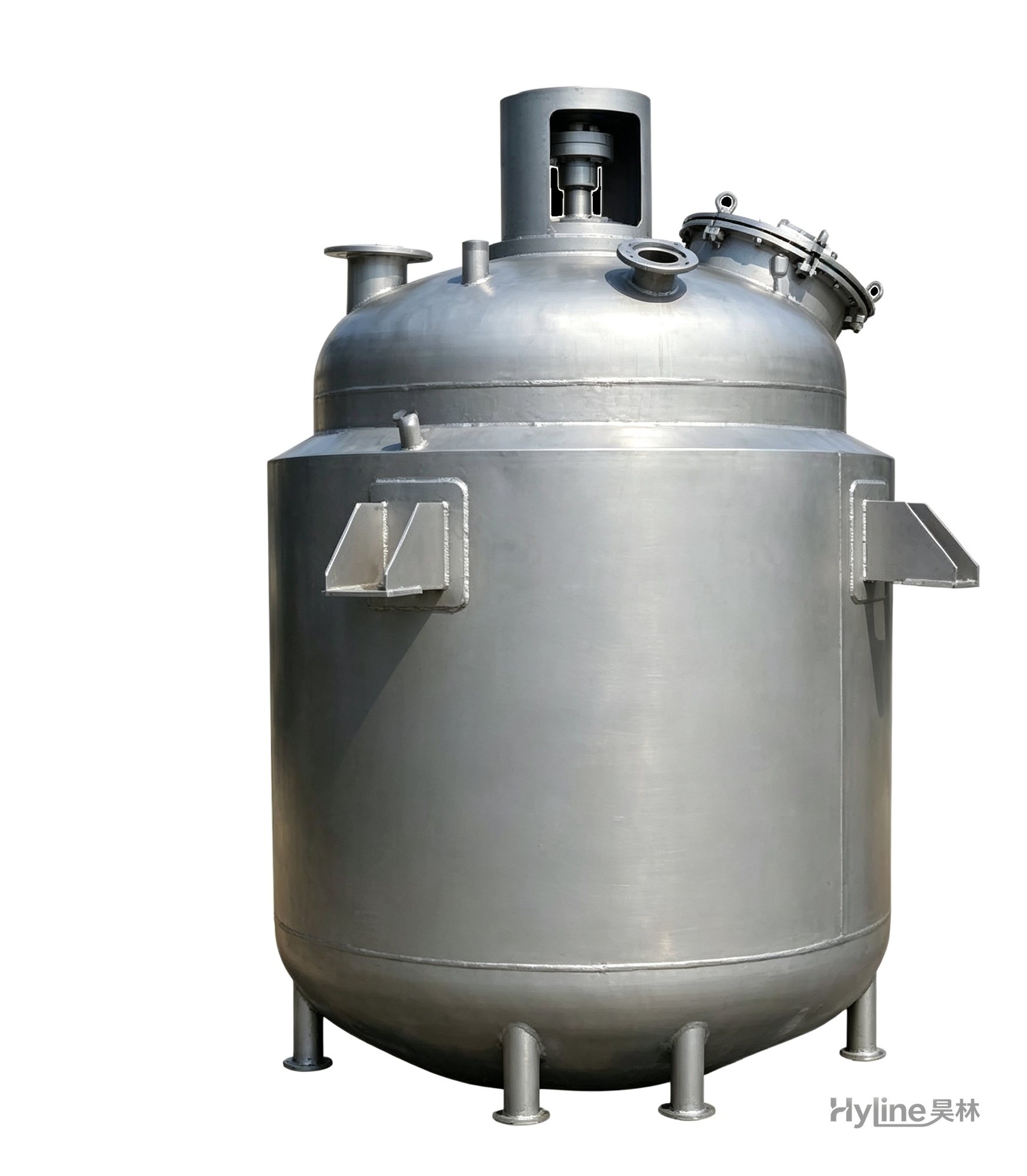
The typical main reaction vessel in chemical production. Mixing, heating and cooling disperse and mix materials for reaction and polymerization. The jacket circulates thermal oil/steam for heating or cooling water for temperature control.
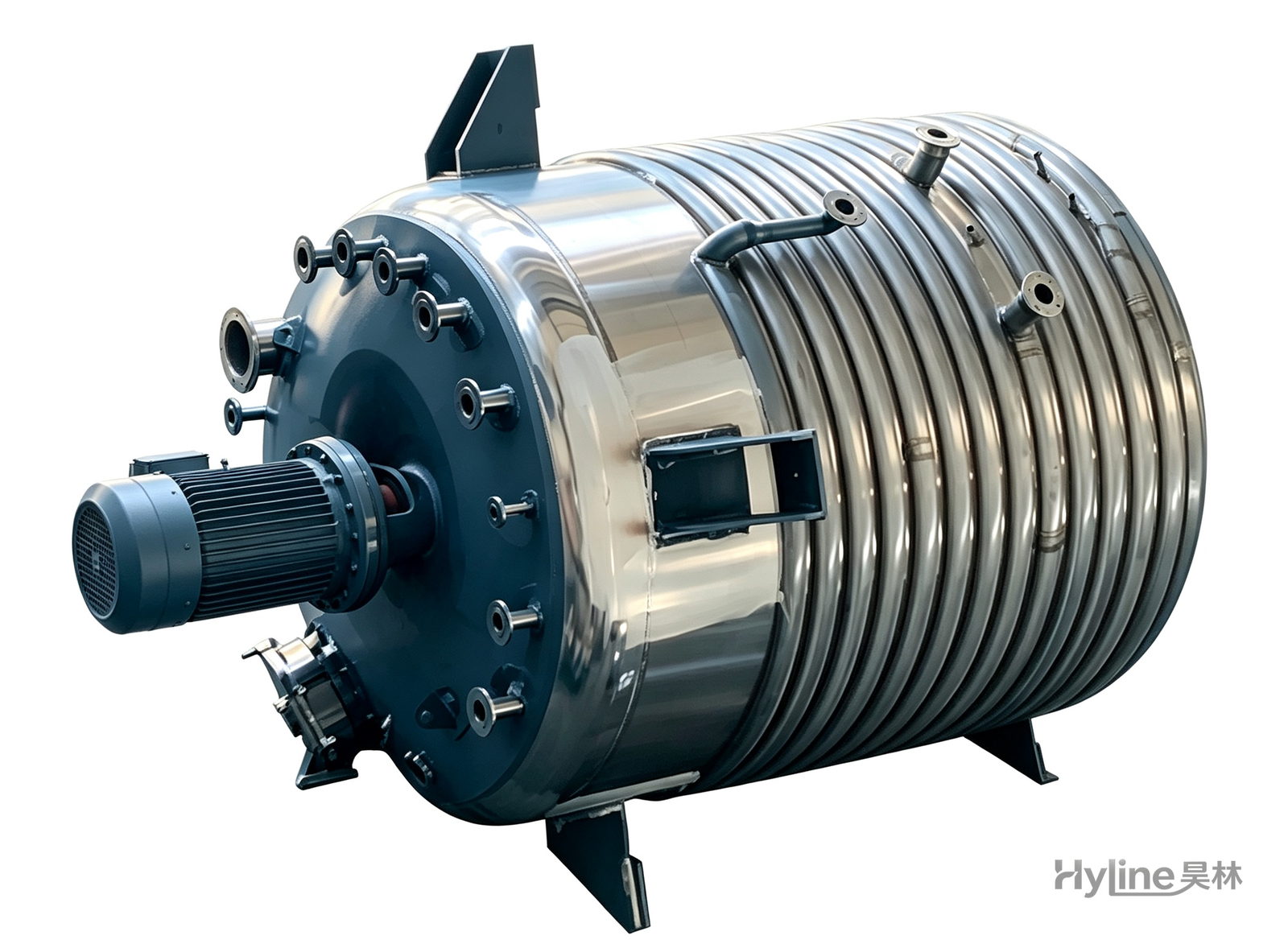
External Half-Coil Reactor
External half-pipe heating & cooling coils provide uniform, efficient heat exchange with zero material dead zones inside. Mirror-polished 304/316L stainless tank is clean and corrosion-resistant. For resin, new-energy slurry and pharmaceutical synthesis.
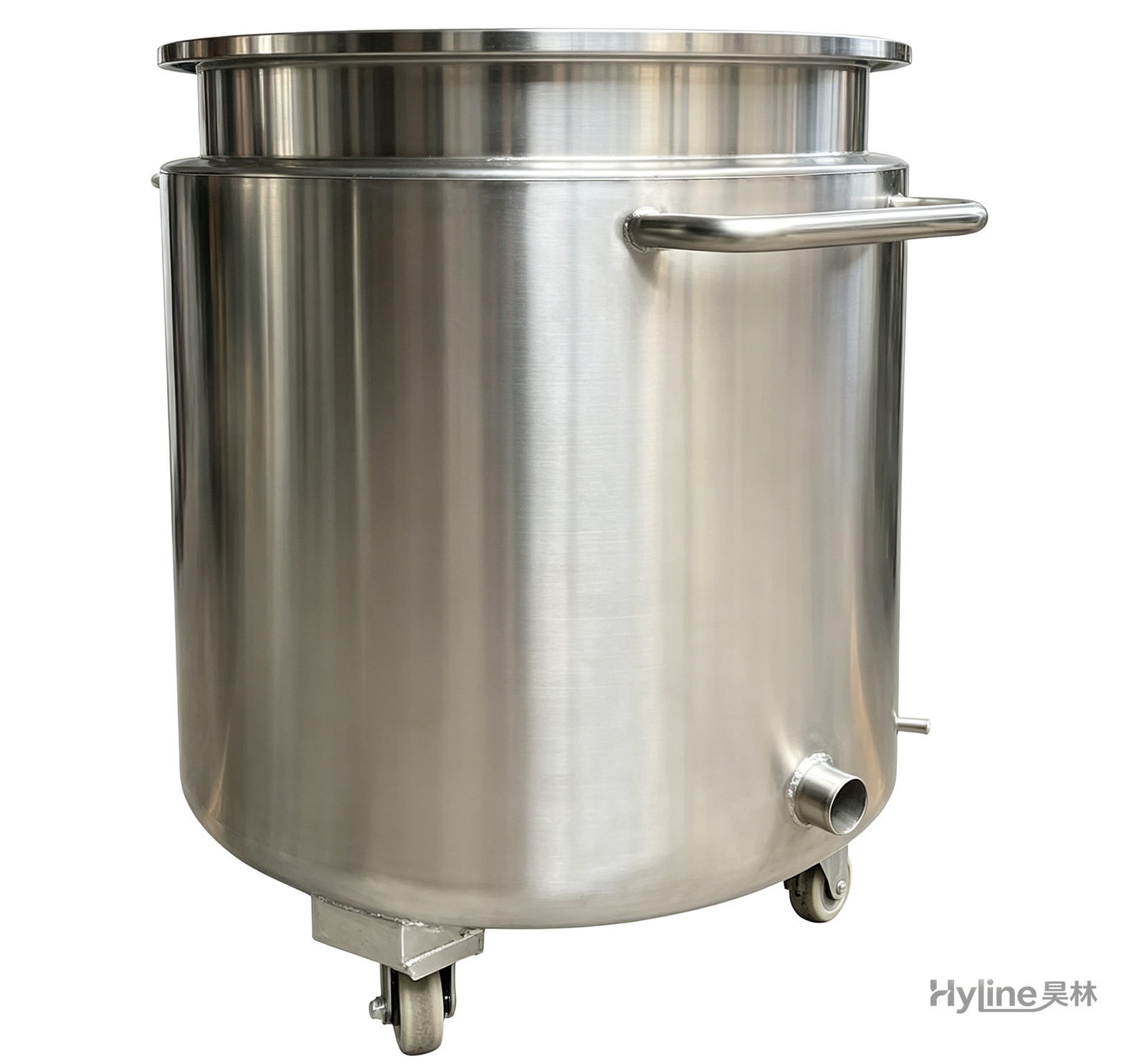
Stainless Steel Mixing Tank (Dispersion Drum)
Supporting vessel for dispersers and mixers in paints, coatings, adhesives, color slurries, inks and electronics. Available in 201/304 stainless with internal/external polishing and sloped bottom side discharge for complete draining.
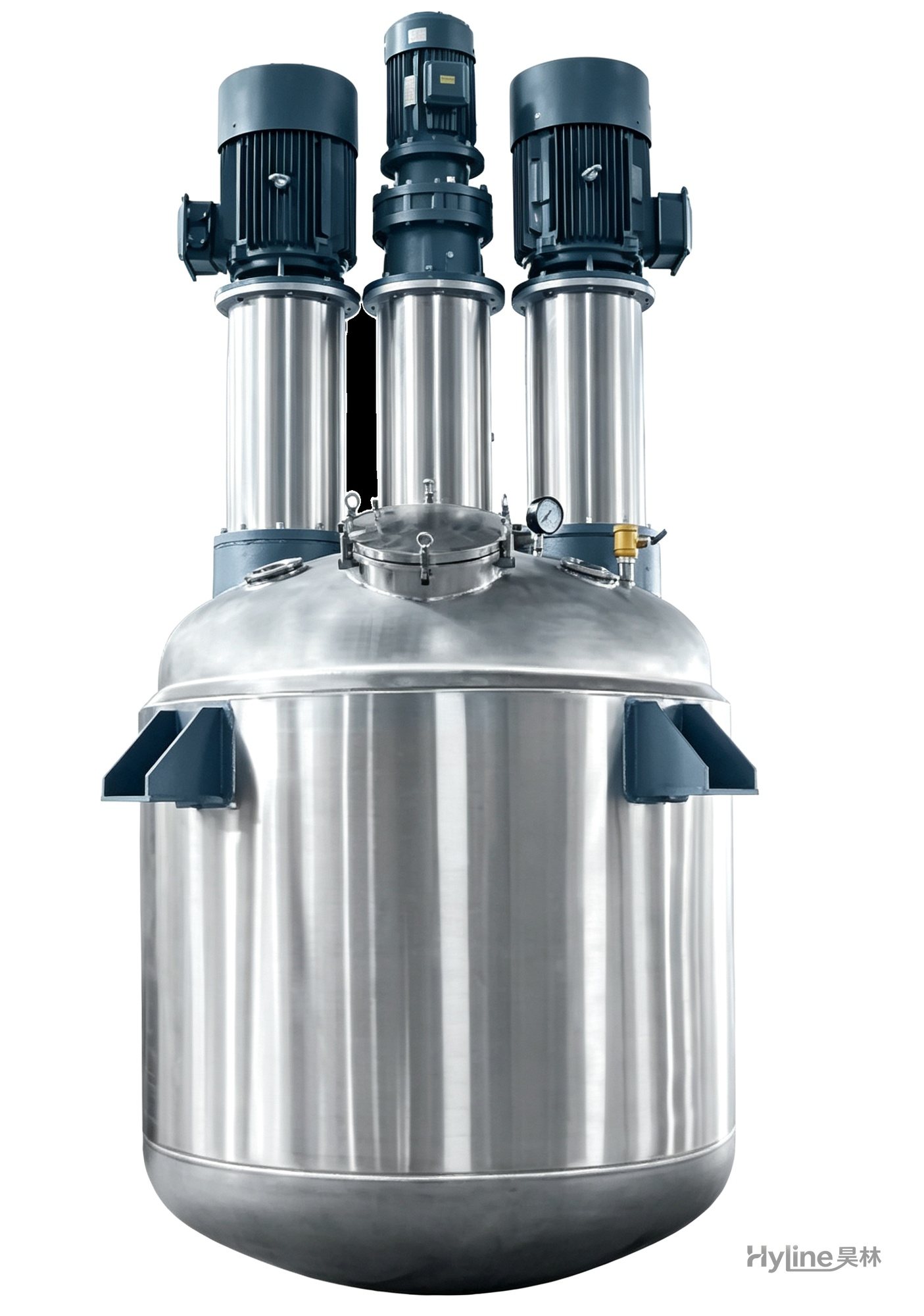
FS Series Multifunctional Dispersing Kettle
Integrates low-speed heavy-duty stirring with high-speed dispersion for medium/high-viscosity and thixotropic materials. Stirring and dispersion proceed simultaneously for ideal results in mixing, dissolving, dispersing and tinting.