
How to maintain the stirring system of the reaction kettle: key points for assembling the stirring shaft, machine seal, and blade
10/5/2026
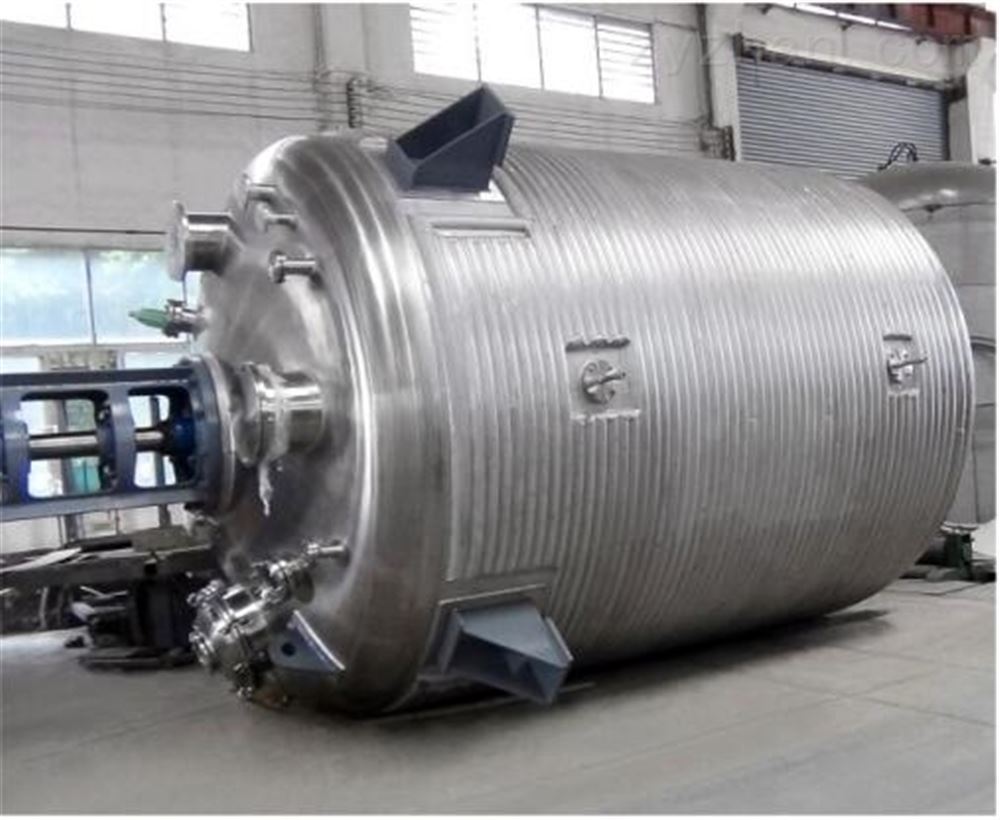
The stirring system of the reaction kettle is the core of the entire equipment operation, directly determining material mixing, heat transfer, and reaction efficiency. The mixing shaft works under high temperature, corrosive media, and alternating loads for a long time. The mechanical seal bears the combined effect of shaft end pressure and speed, while the blade continues to bear material shear resistance. Any wear, deformation, or assembly deviation in any link will be manifested as mixing noise, increased vibration, sealing leakage, and uneven mixing faults. Regular maintenance is a basic requirement to ensure stable output of the reactor and avoid unplanned shutdowns.

The structural composition and common failures of mixing systems
A complete mixing system consists of four major components: power transmission, mixing shaft, mechanical seal, and propeller blades. The functions and common failure modes of each component are as follows:
|Components | Functions | Common Failure Modes|| --- | --- | --- ||Motor and reducer | Provide power and reduce speed to increase torque | Bearing wear, oil seal leakage, gear pitting corrosion||Coupling | Transmitting torque and compensating for centering deviation | Aging of elastic components and wear of tooth surfaces||Mixing shaft and shaft sleeve | Transmitting torque, supporting blade | Bending, keyway deformation, shaft sleeve wear||Mechanical seal | Isolation of the medium inside the kettle from the outside | Wear of the sealing surface, aging of the O-ring, and failure of the spring||Blade | Shear mixed material | Deformation, cracking, corrosion thinning, weld cracking|
Only by understanding the functions and failure modes of each component can targeted maintenance be carried out: for seal leakage, check the mechanical seal first; for vibration, check the shaft and coupling first; for abnormal noise, check the clearance between the bearing and blade first.
Material and working condition adaptation
The material selection of each component in the mixing system directly affects the maintenance cycle and failure rate. Under normal operating conditions, the mixing shaft is mostly made of carbon steel or stainless steel, and the contact part between the blade and the material is made of stainless steel; When dealing with highly corrosive media, corrosion-resistant alloys or lining structures should be selected for shafts, blades, and sealing surfaces, and wear-resistant materials should be used for shaft sleeves. High temperature conditions should consider the thermal expansion and strength attenuation of materials, while low temperature or alternating cold and hot conditions should focus on the fatigue life of materials. During maintenance, check the material of spare parts against the equipment design data to avoid using ordinary materials instead of corrosion-resistant materials, otherwise it will significantly shorten the service life.
Preparation before maintenance
Before starting the maintenance, it is necessary to complete the medium cleaning and safety isolation:
-The materials inside the reactor must be discharged clean and cleaned according to regulations for replacement. Reactors that have come into contact with flammable and toxic media must be analyzed and qualified before opening the manhole-Cut off the power and lock it with a tag to prevent accidental start of mixing in the kettle-Implement the confined space management regulations when entering the kettle for work, ventilate first, then inspect, and then proceed with the operation-Corresponding protective equipment shall be provided for high-altitude operations and lifting operations. It is strictly prohibited to stand below when lifting heavy objects
Prepare tools and spare parts in advance to avoid downtime during maintenance:
|Category | List|| --- | --- ||Measuring tools | dial gauge, magnetic gauge holder, level gauge, vernier caliper||Tightening tools | torque wrench, specialized puller, lifting strap||Vulnerable spare parts | Mechanical seals, O-rings, gaskets, blade fasteners, anti loosening washers|
Dismantling of mixing shaft and concentricity testing
Before disassembling the mixing shaft, make positioning marks on the shaft and record the original height and keyway position for easy reinstallation and restoration of the original state. Remove the coupling guard, coupling bolts, and connecting bolts of the gearbox bracket in sequence, and use a puller to separate the coupling; When lifting the mixing shaft, use a sling to support the point of force to avoid collision with the sealing surface and blade. After lifting the shaft out, place it on a dedicated bracket.
Concentricity is a key parameter that determines the sealing life and operational stability:
-The two ends of the shaft are supported on V-shaped iron, and the radial runout of each section of the shaft neck is measured using a dial gauge-Focus on inspecting the shaft sleeve and blade installation section where mechanical seals are installed-When the radial runout exceeds the tolerance, first determine whether the shaft itself is bent or the shaft sleeve is worn-Small bending can be straightened, while large bending must be replaced with a new shaft-At the same time, check whether the keyway on the shaft is deformed and whether the threads are damaged, which will affect the assembly accuracy
Mechanical seal maintenance and replacement
Mechanical seals are the most susceptible component to failure in mixing systems. After removing the seal, observe the sealing surfaces of the dynamic and static rings. If there are scratches, broken edges, or uneven wear, they can be repaired by grinding if the wear is slight. If the wear is severe or cracks appear, they can be replaced directly. O-rings working in high-temperature media often lose their elasticity and should be replaced periodically even if there is no visible damage on the surface.
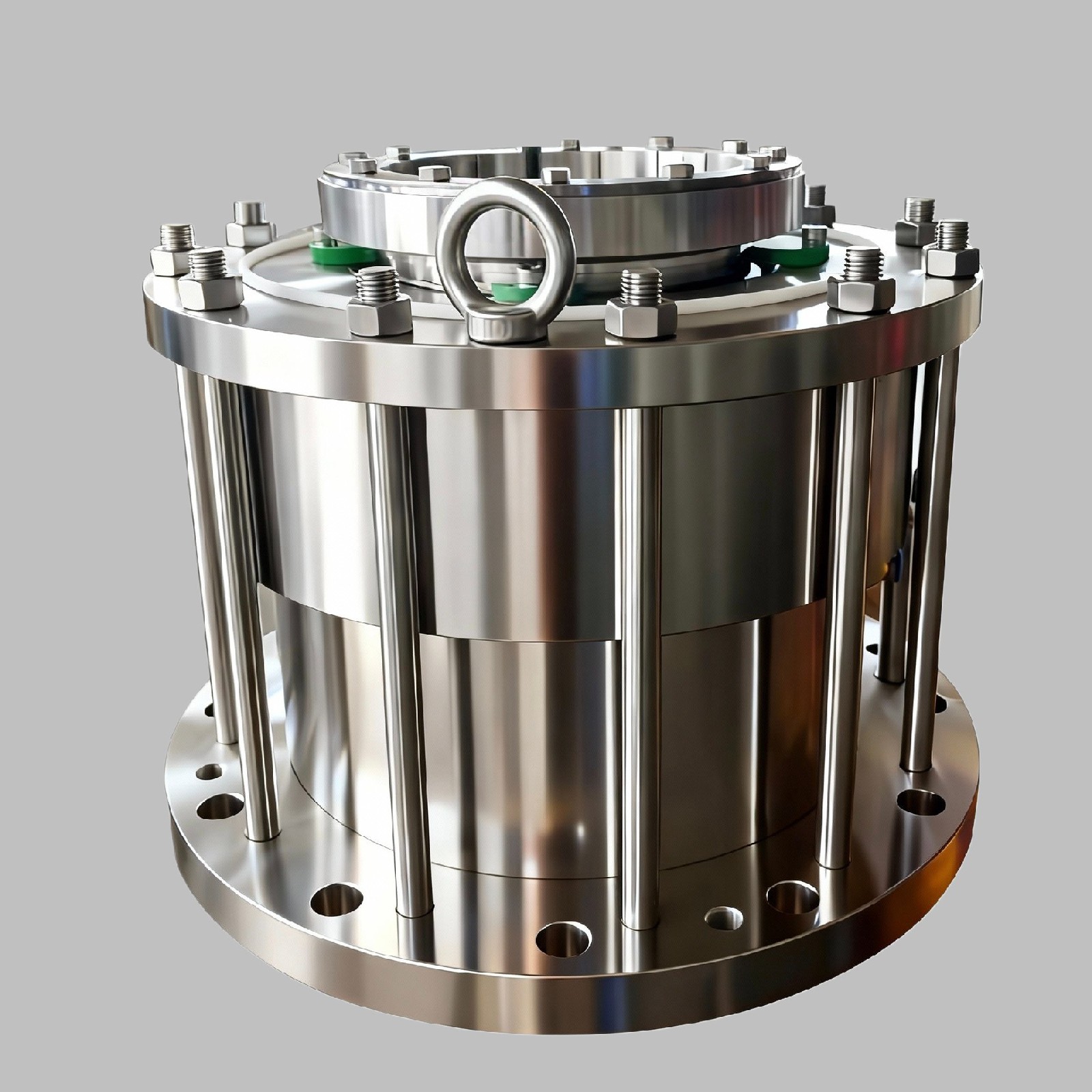
Mechanical seals are divided into single end face and double end face seals according to their structure: single end face seals have a simple structure, are easy to install and maintain, and are suitable for general media; Double end sealing tape flushing or sealing liquid system, suitable for flammable, toxic, and easily crystallizable media. During maintenance, the sealing liquid pipeline and pressure should be checked together. The overall installation and preset compression capacity of the containerized mechanical seal make maintenance and replacement more convenient, suitable for frequent maintenance conditions.
Key control points during replacement:
-* * Model matching * *: Different shaft diameters, pressures, and media correspond to different sealing structures. Check the model first before making spare parts-* * Installation and Cleaning * *: Clean the shaft sleeve and sealing chamber, apply lubricant according to the instructions, and do not strike the sealing components-The compression amount of the spring should be adjusted according to the manufacturer's regulations. If the compression amount is too large, the wear of the sealing surface will accelerate, and if it is too small, it is easy to leak due to insufficient pressure-* * Turning verification * *: After assembly, manually turn the wheel to check that the seal is flexible and free of jamming, and that the sealing surface contacts evenly before connecting the transmission
Blade inspection and assembly
The blade is subjected to material shear force for a long time. During maintenance, check one by one for deformation, cracks, corrosion thinning, and weld cracking. The weld seam at the root of the blade is a weak link, and surface microcracks can be detected by dye penetrant testing or magnification inspection; Blades with wear exceeding the design value should be replaced; Check the relative angle of each layer of blades for multi-layer blades, and the dislocation of standard assembly angle will produce additional unbalanced force.
Assembly points:
-Install according to the original marked position, tighten with a torque wrench according to the manufacturer's specified torque, install anti loosening washers or apply thread glue-Actual measurement records of the gap between the propeller blade, kettle wall, and baffle. When the gap is too small during operation, it scratches the kettle wall, and when the gap is too large, the mixing effect deteriorates-Check that all blades are in the same horizontal plane, and manually rotate the mixing shaft smoothly without any scratches or collisions-For high-speed mixing systems, if the blade dynamic balance exceeds the tolerance, the vibration will be amplified. If necessary, dynamic balance verification should be carried out
Transmission system inspection
Check the coupling, gearbox output end, and frame together: check whether the elastic components of the coupling are aging, damaged, and whether the tooth surface is worn and lubricated; Measure the radial and end face deviation of the two halves of the coupling with a dial gauge, and re align if the deviation exceeds the standard; Check the bearing clearance, oil seal status, and lubricating oil level of the gearbox; Check for loose bolts connecting the rack and kettle body. The root cause of many vibration faults in the mixing shaft lies in the alignment of the coupling and the bearings of the reducer. Transmission problems are often overlooked during maintenance. Lubrication management cannot be ignored: regularly replacing lubricating oil according to the gearbox manual, recording the oil change cycle and oil quality status, can significantly extend the life of transmission components.
Reinstall and trial operation acceptance
The reassembly sequence is opposite to disassembly: first install the mixing shaft and blades, then install the mechanical seal, and finally connect the transmission part. The lifting shaft should be kept vertical to avoid damaging the sealing surface; After the machine seal is in place, do not lock it first. Check the sealing surface for even contact before tightening it with the specified torque; All fasteners should be tightened in a symmetrical sequence, and blind tightening with force rods is prohibited.
After the maintenance is completed, the reaction kettle should be put into trial operation without load before being loaded with materials:
|Inspection Items | Methods | Qualification Requirements|| --- | --- | --- ||Mixing direction | jog confirmation | correct direction||Vibration | Vibration meter measures the frame and kettle body | No abnormal exceeding the standard||Sealing leakage | static observation | no dripping leakage||Stirring sound | Auscultation | Uniform and without periodic abnormal noise||Mixing current | Ampere meter monitoring | Within rated range without significant fluctuations|
After passing the no-load test, conduct a trial run with water or light medium to check if the stirring current is normal and if there are any abnormal sounds from the blades; During the test drive with materials, slowly increase the speed, closely observe the sealing and vibration, and immediately stop the machine if any abnormalities are found. Compare and record the vibration values, seal leakage, current, and other data before and after maintenance to form a maintenance file.
Common fault diagnosis
|Fault phenomenon | Common causes | Solution direction|| --- | --- | --- ||Sealing leakage | Sealing surface wear, O-ring aging, shaft sleeve runout exceeding tolerance | Replace the seal and verify the concentricity of the shaft sleeve||Mixing vibration | Shaft bending, coupling alignment deviation, loose foundation | Straighten shaft, realign, tighten foundation||Periodic abnormal noise | Bearing wear, blade scraping, gear damage | Disassembly and inspection of transmission and blade clearance||Current fluctuation | Material viscosity change, blade deformation, uneven load | Check process conditions, inspect blades|
During the investigation, exclude each item according to its degree of impact: first check the easiest to handle items, and then conduct in-depth dismantling and inspection. Recording the operating parameters and operational changes before the occurrence of a fault can often help quickly locate the cause.
Maintenance cycle and ledger management
The maintenance cycle is determined according to the working conditions: it is recommended to conduct a major overhaul once a year for continuous operation and high temperature and high corrosion working conditions, check the mechanical seal every six months, and extend the intermittent use of equipment appropriately. Record data, replace spare parts, and address any remaining issues during each maintenance to create an equipment ledger. By comparing previous maintenance data through the ledger, it is possible to determine the wear trend, arrange spare parts procurement and maintenance plans in advance, and avoid passive repairs. Persisting in periodic maintenance and keeping records will significantly reduce the failure rate of the mixing system.
Summary
The maintenance of the reactor stirring system is a systematic project: safety preparation is a prerequisite, disassembly and measurement are the basis, seal replacement and blade assembly are the key, and transmission alignment and trial operation acceptance are closed-loop. The three principles of sequential disassembly and inspection, data measurement, and torque assembly run through the entire process. By incorporating maintenance into a fixed cycle and keeping data records every time, sudden failures can be turned into planned maintenance, allowing the reactor to operate stably for a long time.
Further reading: - Selection of Mixing Equipment for High-Viscosity Materials: From High-Speed Dispersers to Planetary Mixers - Comparison of Heating and Cooling Methods for Reactors: Jacket, Half-Coil and Internal Coil
---
This briefing is compiled by Shenzhen Hyline Equipment Manufacturing Co., Ltd. (hyline.cn); all information rights belong to the original authors. Main products: stainless steel reactors, mixing tanks, storage tanks, dispersers, concentration tanks and complete chemical process lines; custom (non-standard) manufacturing supported.
Q&A from this article
Frequently asked questions and answers from this article
The core of the maintenance of the reactor mixing system is to dismantle and inspect in an orderly manner, measure with evidence, assemble in place, and explain in detail the key points of mixing shaft concentricity, machine seal replacement, blade torque, and trial operation acceptance.
Related Products
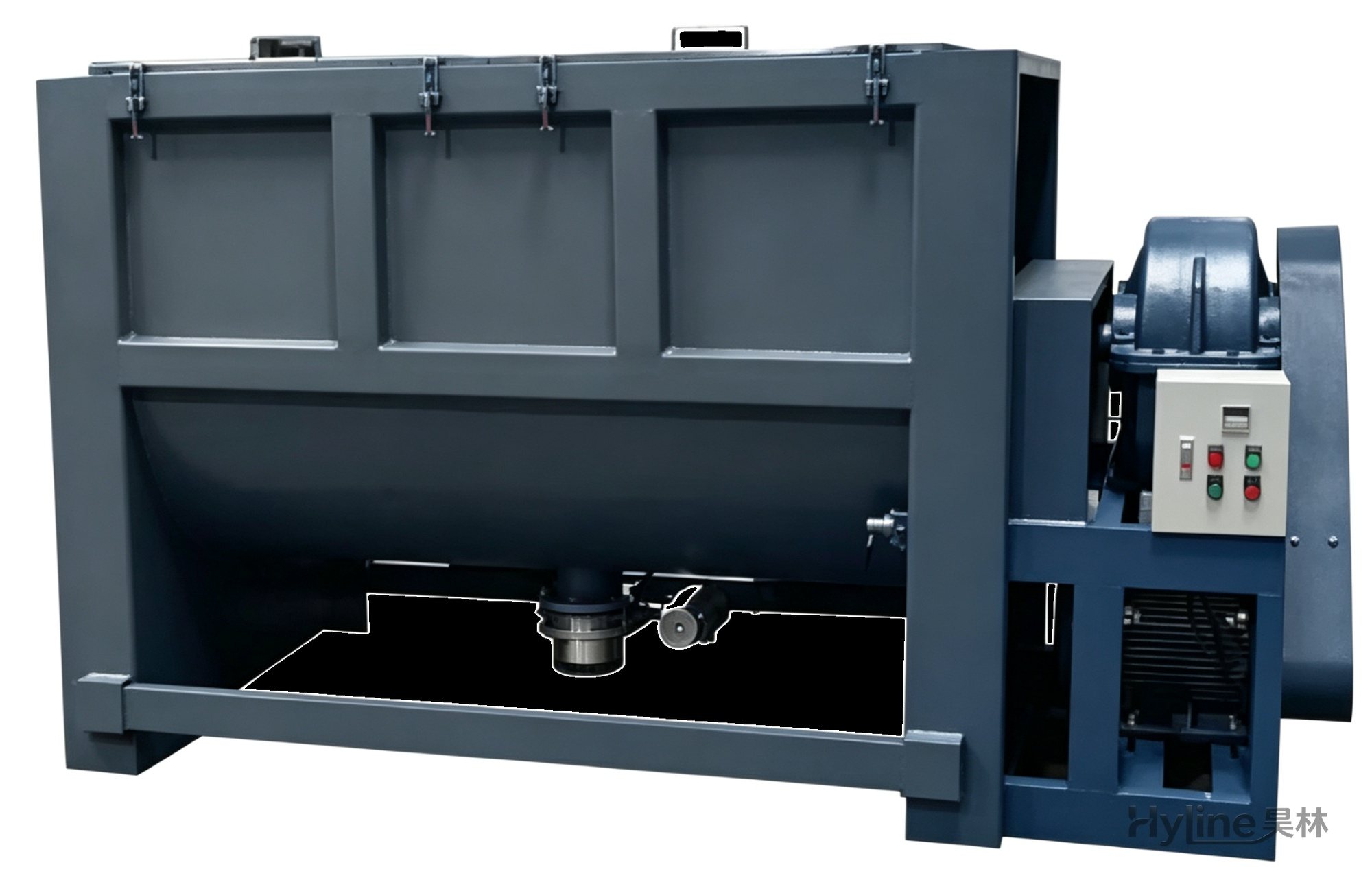
Horizontal Mixer
For color blending of plastic pellets, new/old materials and additives. Single-layer for mixing; double-layer with oil heating of 50-150℃ (custom up to 300℃). Ideal for PVC/PP/PE pellets and chemical powders such as calcium carbonate and titanium dioxide.
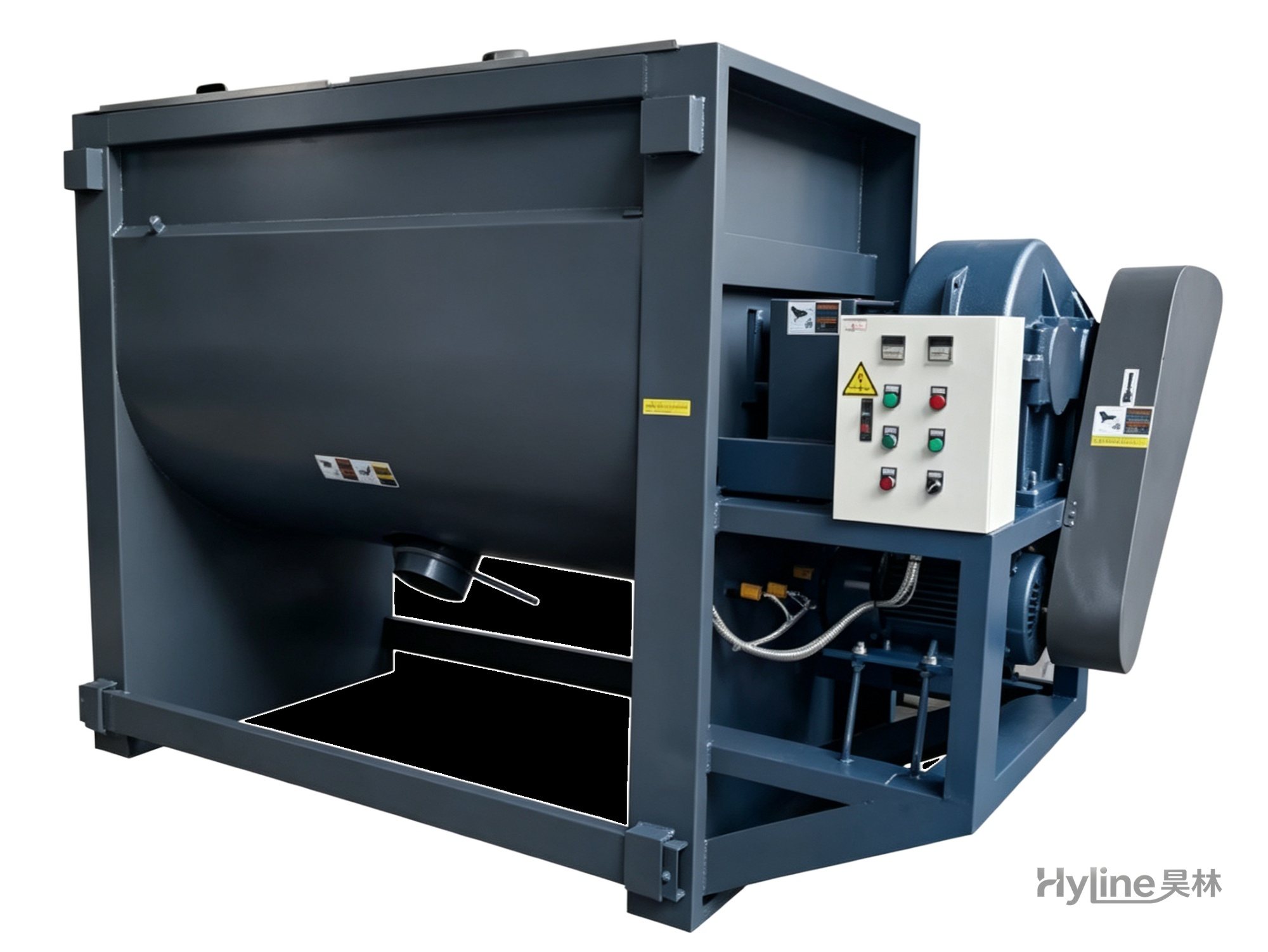
Horizontal Mixer (Heating Type)
Double-layer U-shaped stainless horizontal mixer with thermal oil heating of 50-150℃ (custom up to 300℃). S-shaped stainless blades for even mixing; dual mixing & drying functions with multiple safety protections.
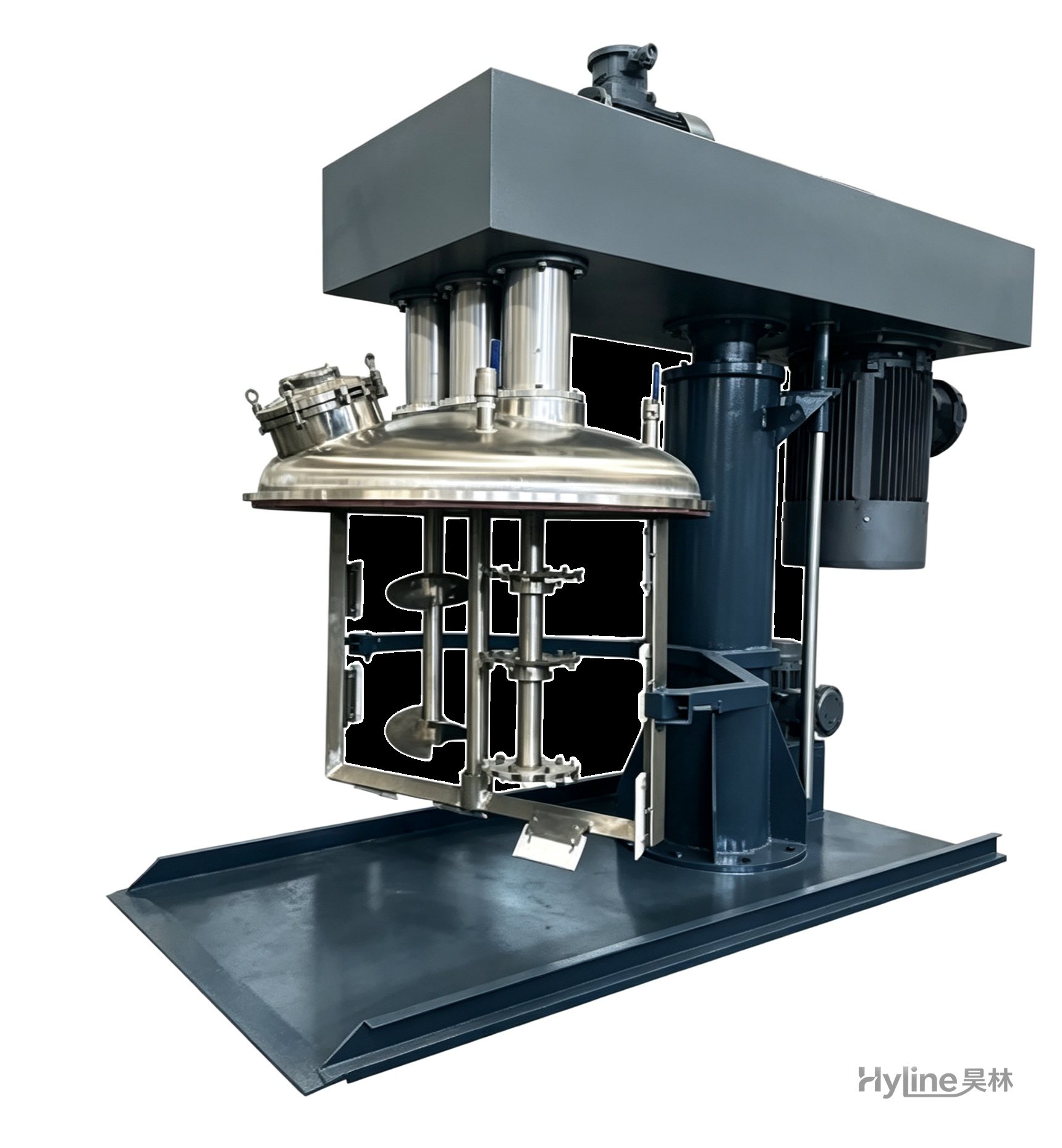
SJ Series Multi-Function Mixer
A new high-efficiency mixer for high-viscosity materials, rapidly dispersing, dissolving and homogenizing. Widely used in offset printing inks, putties and adhesives. Vacuum type customizable.
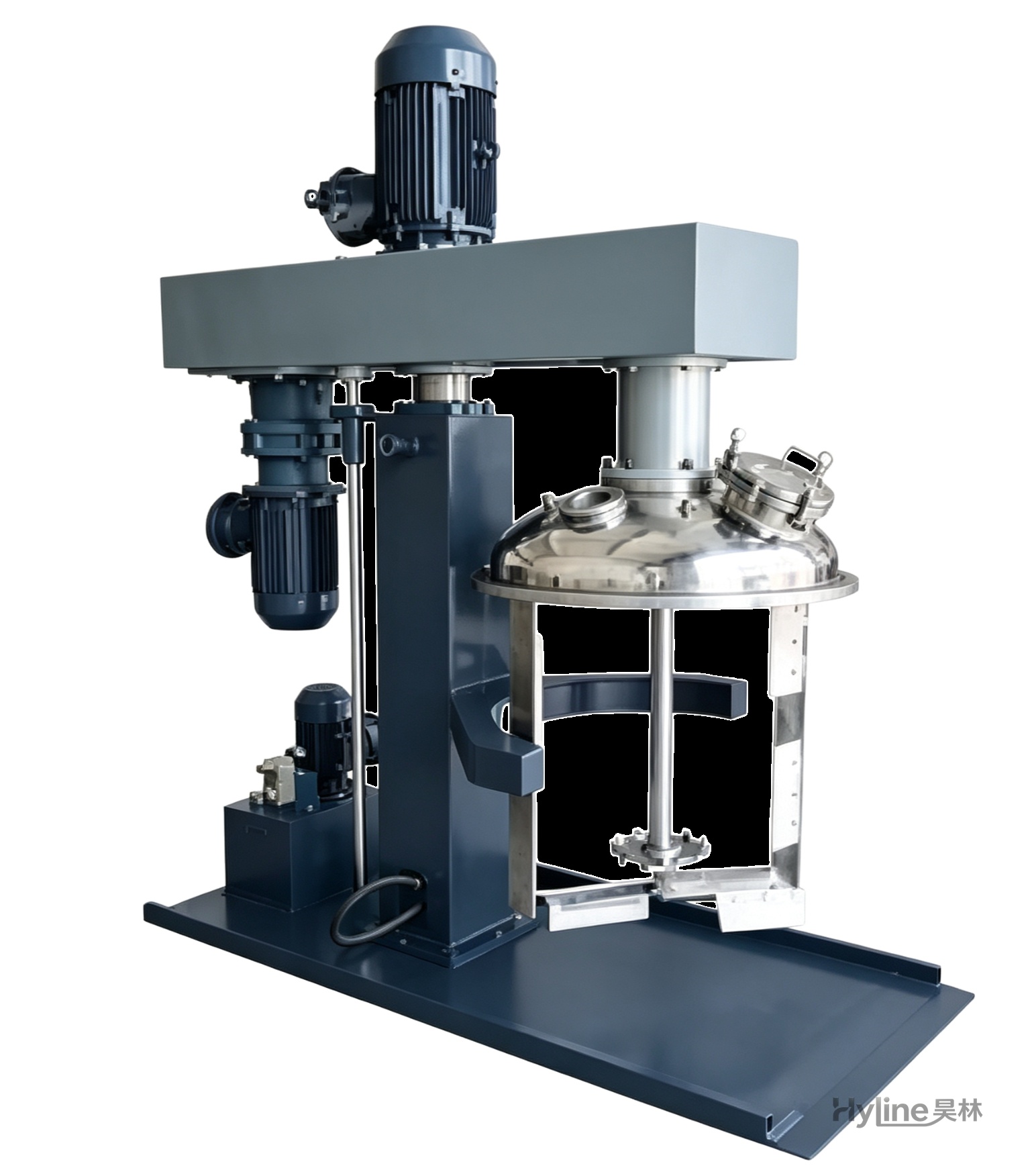
TSJ Series Concentric Twin-Shaft Mixer
Mixes materials of 3000-20000 cps. Low-speed blades with Teflon scrapers sweep the tank wall and push material to the center; high-speed toothed impellers disperse powerfully. High and low speeds run independently.
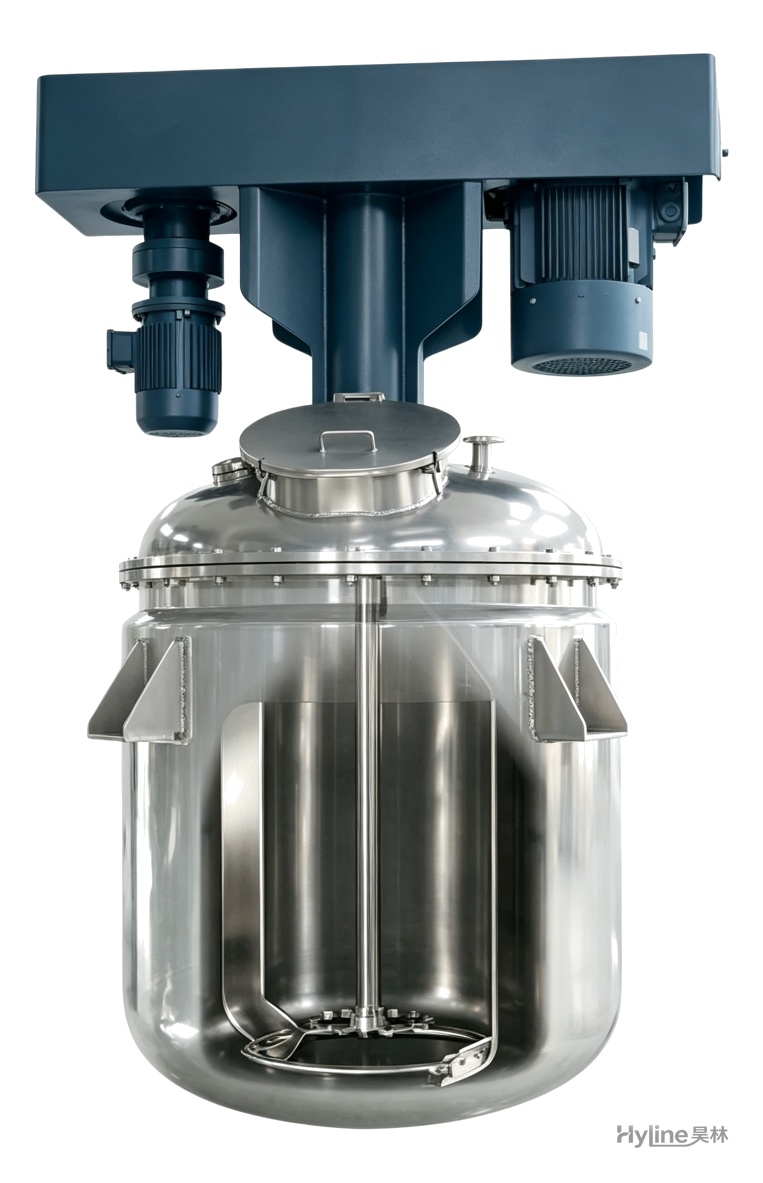
TSJ Concentric Twin-Shaft Platform Mixing Kettle
Platform-type concentric twin-shaft mixing kettle for 3000-20000 cps materials. Low-speed blades with Teflon scrapers eliminate dead zones; high-speed toothed impellers disperse powerfully. Supports large-volume batch production.
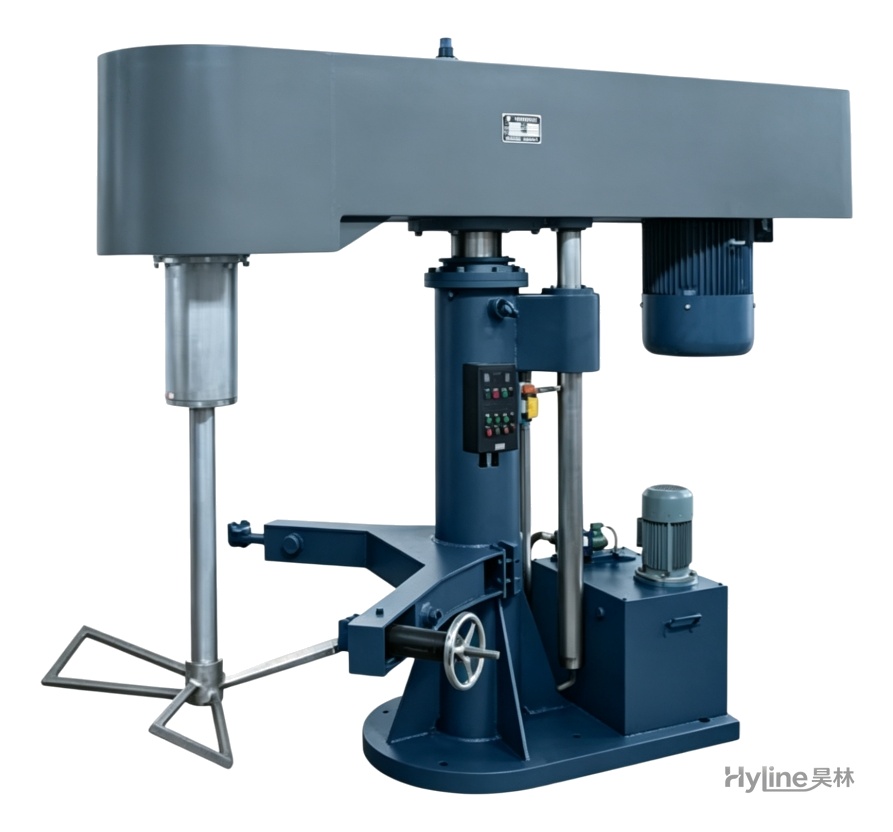
DSJ Series Butterfly Mixer
High-efficiency mixer with three-blade butterfly impellers. Vacuum during mixing improves quality; simultaneous mixing and automatic lifting boost productivity. For high-viscosity putty, adhesives and offset inks.