
How to determine the feeding method for chemical reaction kettle? Applicable working conditions for gravity, pumping, and vacuum sealed feeding
10/10/2026
How to determine the feeding method for chemical reaction kettle? Applicable working conditions for gravity, pumping, and vacuum sealed feeding
In chemical production, the action of feeding may seem simple, but it is actually the most easily overlooked part of the reactor process design. If the feeding method is set incorrectly, it can result in material splashing and slow feeding, or powder dust, solvent evaporation, and uncontrolled reaction. Conclusion: The feeding method is determined by three factors: material form, viscosity, and process sealing requirements - for high flow liquids, pumping is used; for low flow or self flowing conditions, gravity is used; for flammable, explosive, or toxic materials, vacuum sealing feeding is used; and for powders, vacuum suction feeders are preferred. This article clarifies the applicable boundaries and configuration points of the three methods.
###Why is the feeding method worth choosing separately?
Because feeding is not just about 'pouring the material in'. Regarding [Stainless Steel Reactor]( https://hyline.cn/zh/products/jacket-reactor )Speaking of which, the feed rate affects the starting point of the reaction temperature rise curve, the feed position affects the material mixing path, and whether the feed is sealed directly determines on-site safety and environmental standards. The requirements for feeding methods are completely different for resin synthesis and fine chemical intermediates in the same reactor. Writing the feeding requirements into the technical agreement when purchasing equipment is much more convenient than changing the pipeline after the equipment arrives.
###What working conditions are suitable for gravity feeding?
Gravity feeding relies on the difference in liquid level or the weight of the material to complete the feeding, and the structure is the simplest. Generally applicable to three story factory buildings: storage tanks or high-level tanks are placed on the upper floor, reaction vessels are placed on the lower floor, and materials flow down by themselves when valves are opened. The advantages of this method are low cost, easy maintenance, and no dependence on power equipment. It is suitable for liquids with low viscosity and good fluidity, such as solvents and aqueous materials. It should be noted that the speed of gravity feeding is affected by the liquid level difference and pipeline resistance, and the repeatability between batches is average. For processes that require precise feeding volume, it is recommended to add measuring tanks or flow meters to the pipeline before feeding.
###How to mix the materials pumped in?
Pumping is the most common feeding method for chemical reactors, suitable for medium flow rates, conveying distances, or precise control of feed rates. Generally, pump types are selected based on material viscosity and flow rate: centrifugal pumps are used for low viscosity solvents and aqueous phases, screw pumps or gear pumps are used for medium viscosity resin materials, and diaphragm pumps are used for liquid materials containing solid particles. The biggest advantage of pumping feed is controllability - through frequency converters and flow meters, the feed rate can be stabilized within the required range of the process, which is particularly important for exothermic reactions. Feeding too fast can lead to local overheating.
###How important is the feed rate for exothermic reactions?
For exothermic reactions, the feed rate is the "throttle" of the reaction rate. The general practice is to first include the feeding time of the exothermic reaction in the process design: for systems with high reaction heat, the feeding time is extended, such as 30-60 minutes of feeding at a time, allowing the heat to gradually release with the feeding, and cooperating with the jacket or [outer coil tube reactor]( https://hyline.cn/zh/products/half-coil-reactor )This type of kettle structure with coil heat exchange keeps the kettle temperature within the set range; If the feed is too fast, the heat is concentrated and released, and there is not enough time for cooling to take it away. The kettle temperature will rise, which can affect the yield and quality in mild cases, and cause material flushing or overpressure in severe cases. The commonly used protection on the production site is feed interlocking: the feed pump is interlocked with the kettle temperature and jacket cooling water flow, and if the kettle temperature exceeds the upper limit, it will automatically slow down or shut down the feed. This line of defense is almost standard in process safety design.
|Feeding method | Applicable materials | Flow control | Sealing | Equipment cost||---|---|---|---|---||Gravity feeding | Low viscosity liquid, self flowing material | General | Medium | Low||Pump feed | Medium low viscosity liquid, to be transported | Good | Good | Medium||Vacuum sealed feeding | Volatile, toxic, flammable materials | Medium | Good | Medium high||Powder vacuum suction | Powder and granular materials | General | Good | Medium|
###What problem does vacuum sealed feeding solve?
Vacuum sealed feeding is the process of creating negative pressure in a reaction vessel, where the material is drawn into the vessel through a pipeline without coming into contact with the external environment. The typical application scenarios of this method are three types: first, volatile materials such as solvents and monomers, which can significantly reduce unorganized emissions when fed in a closed manner; Secondly, it contains toxic and harmful components such as benzene and chlorine to prevent personnel from coming into contact during the feeding process; Thirdly, materials that require nitrogen sealing protection can be evacuated and replaced with nitrogen gas to prevent air from entering the reaction system. The general configuration is to link the top feeding valve, vacuum buffer tank, and vacuum pump. After the feeding is completed, the valve is closed to break the air and maintain stable pressure inside the kettle.
###How to deal with dust during powder feeding?
Powder feeding is one of the most troublesome processes in chemical engineering sites, as dust flying not only affects the operating environment but also poses a risk of dust explosion. There are three conventional methods: for small batches, manual feeding ports are used in conjunction with dust removal hoods; for medium batches, screw conveyors or pneumatic conveying are used; for large batches or processes that require strict sealing, vacuum suction systems are used to directly suck the powder from the ton bags or silos into the reaction kettle. Here is a special reminder: if the material belongs to flammable and explosive dust, such as aluminum powder, magnesium powder, and certain dye intermediates, the feeding equipment should be configured according to the requirements of the explosion-proof area, and the dust removal system cannot be simply collected with a bag. Explosion proof pressure relief and electrostatic grounding should be considered together.
###How to equip the safety accessories of the feeding system?
The safety configuration of the feeding pipeline is easily overlooked, but problems are often major issues. It is generally recommended to install check valves in the feed pipeline to prevent the pressure inside the reaction vessel from flowing back into the feed system; Before feeding volatile materials, evacuate or replace the reaction kettle with nitrogen, and add anti-static grounding at the end of the feeding pipe; Mass flow meters or weighing scales are used in the measurement and weighing process, which are interlocked with the liquid level and temperature of the reaction kettle, and the valve is automatically closed when the feed exceeds the limit. For exothermic reactions, it is best to link the feed valve with the jacket cooling water and stirring speed. Once the temperature exceeds the limit, the feed will automatically stop, which is a common line of defense in process safety design.
###How to design the position of the inlet pipe and anti splash measures?
Whether the feeding port is opened on the top or side of the kettle has a direct impact on the mixing effect. Generally, the liquid feeding port is opened on the side of the top of the kettle, allowing the liquid to flow down along the kettle wall to reduce splashing directly on the liquid surface; It is recommended to equip the powder feeding port with a dust-proof interface or a bag connector; For processes that require bottom feeding, such as high viscosity materials or situations where liquid feeding is required, the pipe mouth should be opened at the bottom of the kettle but a check structure should be added to prevent backflow. Another easily overlooked detail is that when the feed pipe extends into the kettle, the pipe mouth faces in the opposite direction of the stirring blade, which allows the liquid to participate in mixing faster and reduces local concentration accumulation.
###How to match the material and cleaning of the feeding pipeline?
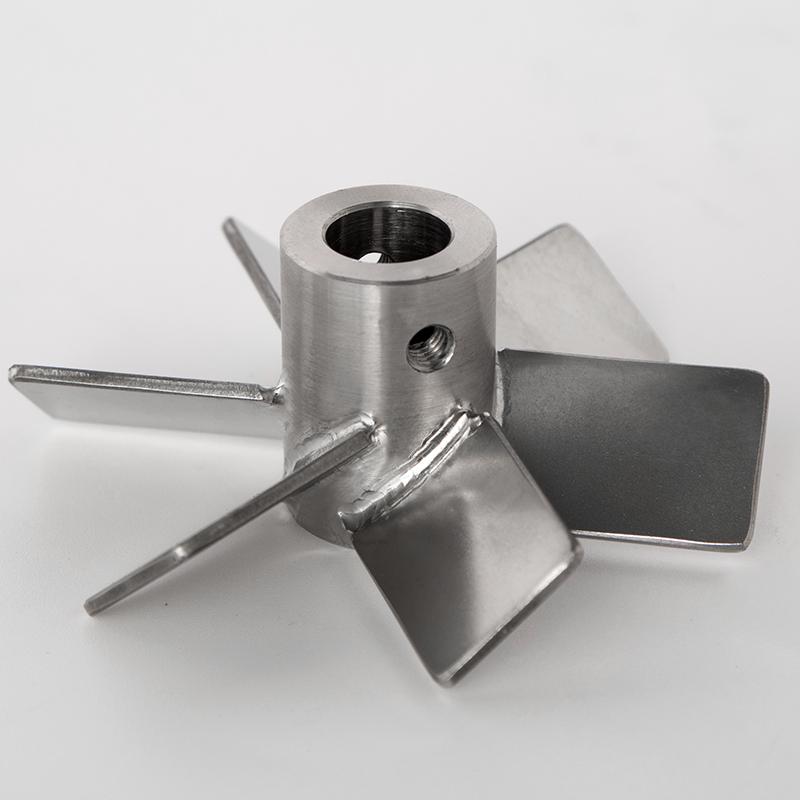
The material and cleaning design of the feed pipeline often determine the smoothness of production changes. Generally determined by material corrosiveness and cleanliness requirements: 304 stainless steel pipes are used for ordinary chemical materials, 316L or fluorine lined pipes are used for materials containing chloride ions or strong corrosion, and sanitary grade quick release fittings are used for food and pharmaceutical materials; The inner wall of the pipeline should be able to be emptied, and a drain valve should be installed at the low point to prevent residual liquid from accumulating and deteriorating in the pipeline. For production lines with frequent changes in production, it is recommended to equip the feeding pipeline with cleaning interfaces, solvent flushing, or CIP programs. The pipeline should be washed once between batches before entering the next batch. Here is a practical experience: pipelines are easier to store materials than tanks, and a simpler pipeline design is much easier to maintain than stacking a pile of valves and elbows.
###How to mix materials for small batch and multi variety working conditions?
Fine chemicals, R&D scaling up, and [paint mixing kettle]( https://hyline.cn/zh/products/tc-mixing-kettle )For such small-scale and multi variety working conditions, the feeding system is most afraid of "one configuration dominating the world". The general recommended approach is to equip the public feed pipeline with flow meters and measuring tanks, switch different materials through quick connectors, and dismantle them immediately after use to avoid cross contamination; Flammable and explosive materials shall be separately routed through a vacuum sealed circuit, which shall be physically separated from the circuit for ordinary materials; Leave a cleaning interface in the pipeline design, and use solvent flushing or CIP program to clean between batches to prevent residual materials from interfering with the next batch. This configuration requires a slightly higher initial investment, but in return, it results in faster production changes, clean cleaning, and stable batches. Companies that produce multiple varieties usually place more emphasis on this aspect.
###How to match the feeding method with the reactor volume?
The emphasis of the feeding method varies depending on the volume of the reaction vessel. Generally, small volume reaction vessels (within a few hundred liters) have compact space and prioritize pumping or gravity feeding, with fewer pipe openings and easier layout; For medium and large reactors (over a few cubic meters), the feeding time and pipeline pressure drop should be comprehensively considered. Liquid feed should be pumped and the pump head should be calculated. Powder feed should be separately equipped with a suction port; The feeding port of the vertical reaction kettle is concentrated at the top of the kettle, while the liquid feeding of the horizontal reaction kettle can consider side feeding, allowing the liquid to flow along the inner wall. Here is a reminder: the larger the volume of the reactor, the more obvious the impact of the feed on the mixing uniformity. The feed position and nozzle orientation should be determined together with the stirring blade type in the design stage. It is very troublesome to change the nozzle position after the equipment is in place.
###Summary
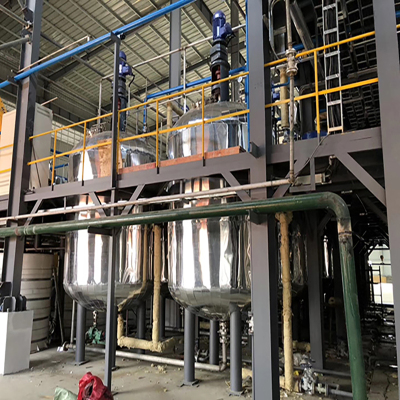
The feeding method is not the bigger the better, nor is it the more expensive the better, but it matches the material properties, process requirements, and safety level. Low viscosity self flowing materials are transported by gravity, medium flow rates and precise control are pumped, volatile, toxic and flammable materials are sealed in vacuum, and powder is mixed with suction and dust removal according to the dust level. When purchasing reaction vessels, the feeding method, nozzle position, and safety interlock should be written into the technical agreement. The equipment can be directly taken over and debugged according to the agreement upon arrival, which can save a lot of on-site modifications. The following is a set of actual photos of the installation of the complete reactor and platform. The on-site status of the feeding platform and the top pipe mouth of the reactor can be compared and referenced.

Extended reading:-[How to match the opening of the reactor cover: Key points for selecting hydraulic lifting and quick opening devices]( https://hyline.cn/zh/technology/reactor-cover-opening-hydraulic-lift )-[How to repair the stirring system of the reaction kettle: key points for assembling the stirring shaft, machine seal, and blade]( https://hyline.cn/zh/technology/reactor-agitator-system-maintenance )
This article is organized by Haolin Shengda Equipment Manufacturing Co., Ltd. (HYLINE. cn), and the ownership of the information belongs to the original author. Our main products include stainless steel reaction vessels, mixing tanks, storage tanks, dispersers, concentration tanks, and chemical production line accessories, supporting non-standard customization.
Q&A from this article
Frequently asked questions and answers from this article
How to choose the feeding method for chemical reaction kettle? This article compares gravity, pumping, and vacuum sealed feeding, and provides configuration basis according to material form and process requirements.
Related Products
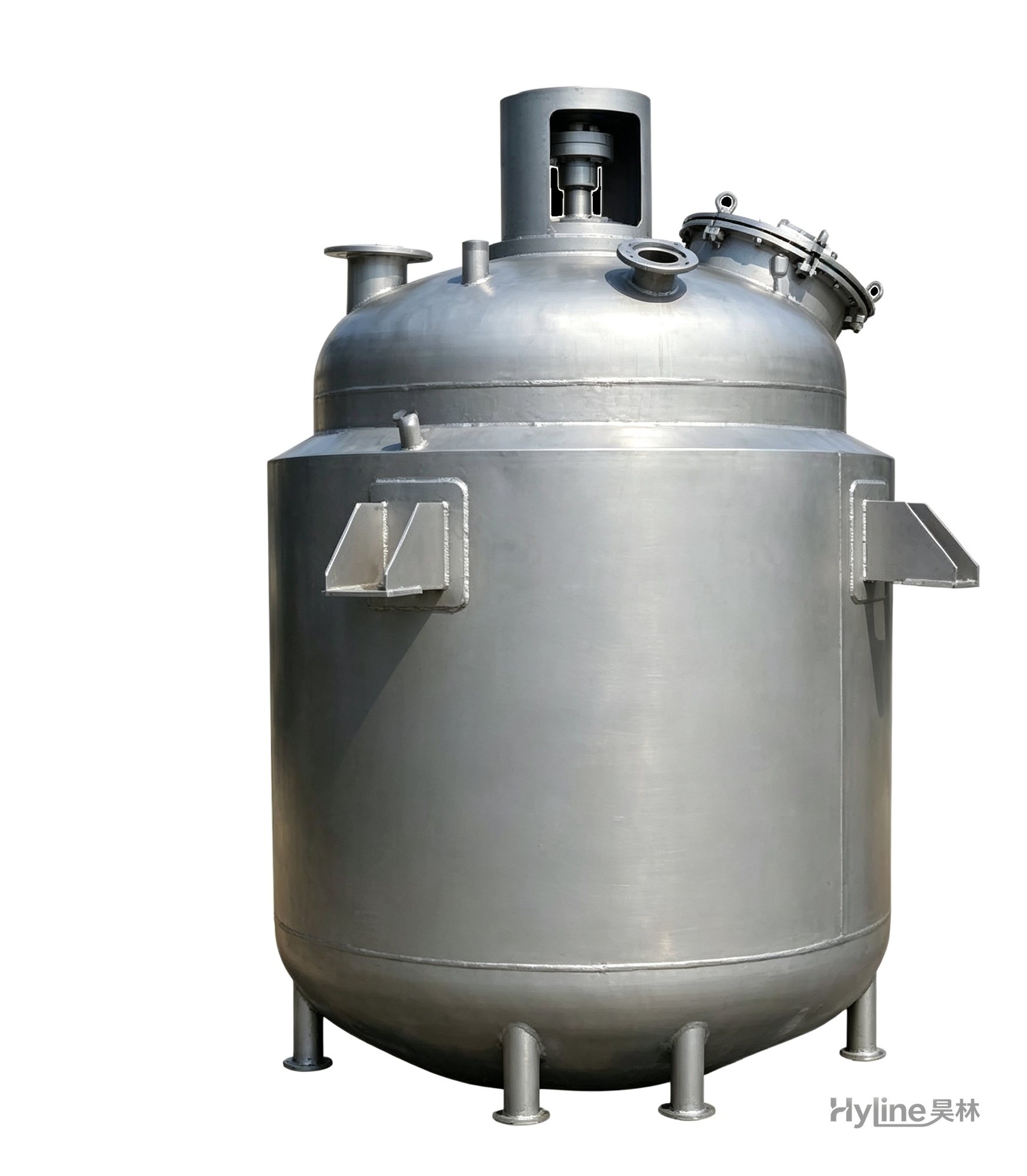
Jacketed Reactor
The typical main reaction vessel in chemical production. Mixing, heating and cooling disperse and mix materials for reaction and polymerization. The jacket circulates thermal oil/steam for heating or cooling water for temperature control.
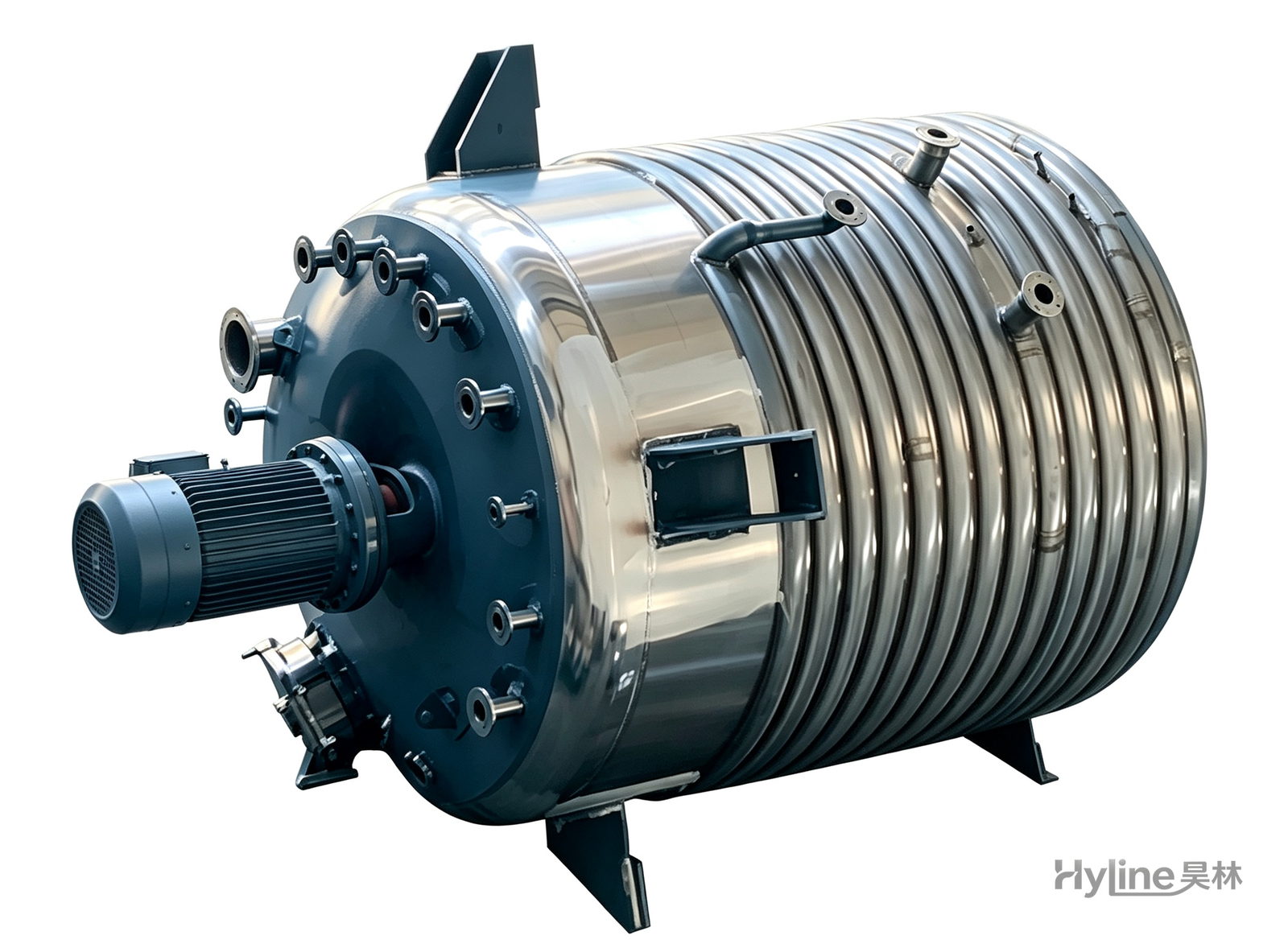
External Half-Coil Reactor
External half-pipe heating & cooling coils provide uniform, efficient heat exchange with zero material dead zones inside. Mirror-polished 304/316L stainless tank is clean and corrosion-resistant. For resin, new-energy slurry and pharmaceutical synthesis.
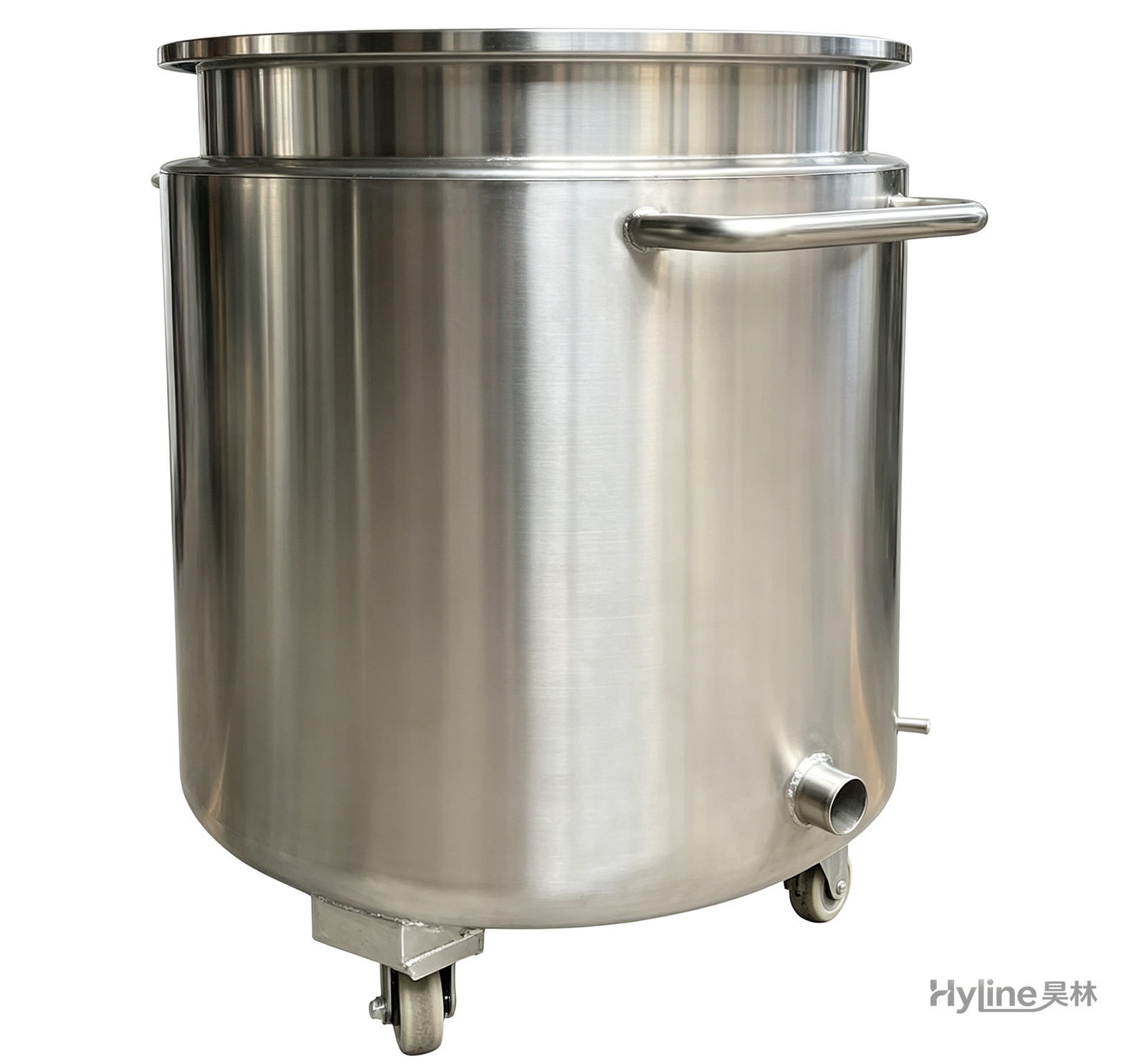
Stainless Steel Mixing Tank (Dispersion Drum)
Supporting vessel for dispersers and mixers in paints, coatings, adhesives, color slurries, inks and electronics. Available in 201/304 stainless with internal/external polishing and sloped bottom side discharge for complete draining.
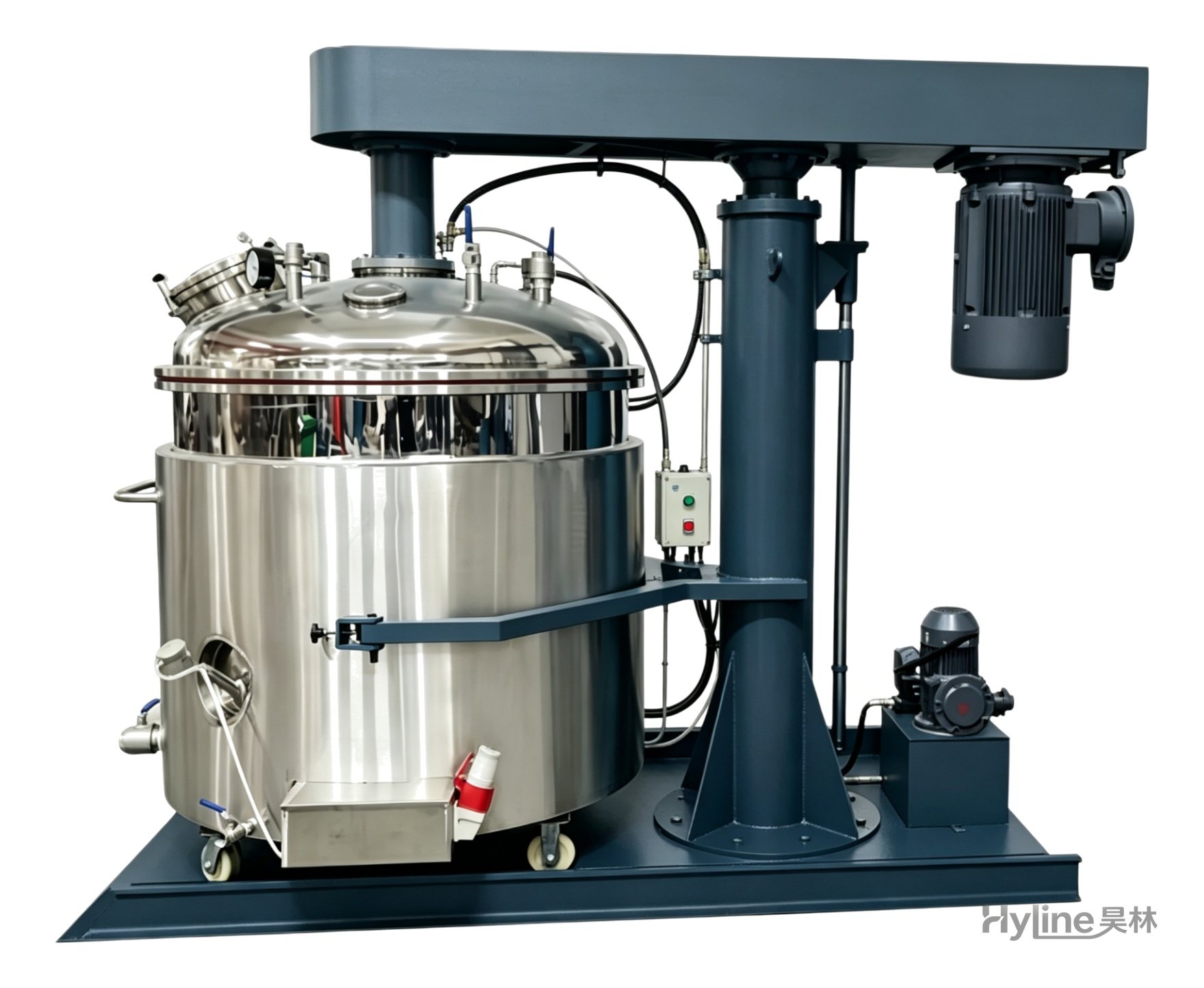
FL Series Vacuum Disperser
Designed for bubble-rich materials and volatile solvents. Vacuum dispersion reduces bubbles and solvent evaporation, accelerates fineness and rapidly defoams. Simple structure, high vacuum, easy operation.
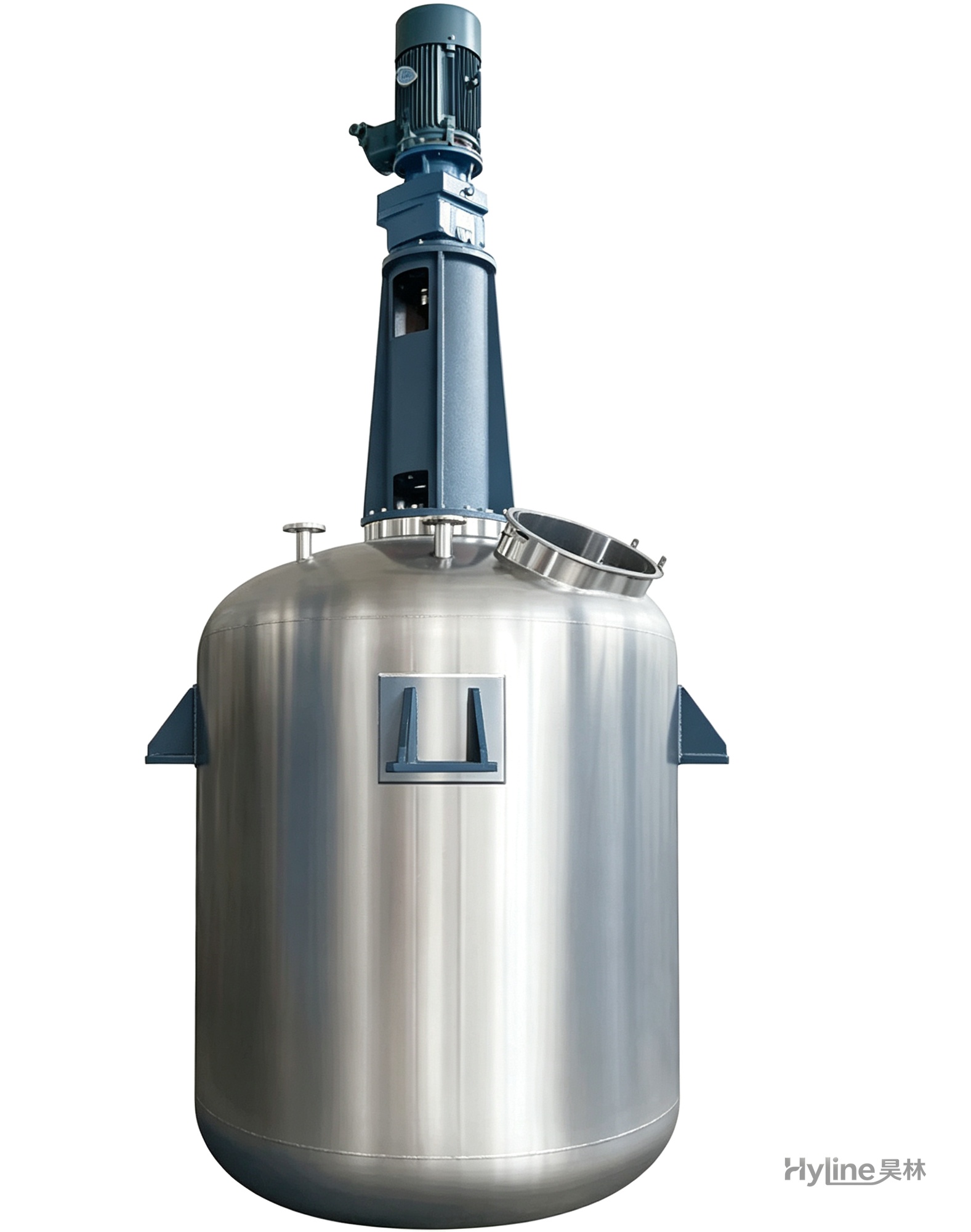
TC Series Mixing Kettle (Tinting)
For color matching in the paint industry and liquid-liquid / liquid-solid mixing in other industries. Uniform tinting, good miscibility, reasonable structure and powerful stirring.