
How to Select a Stainless Steel Mixing Tank? Matching Material, Agitation and Volume by Working Condition
10/7/2026
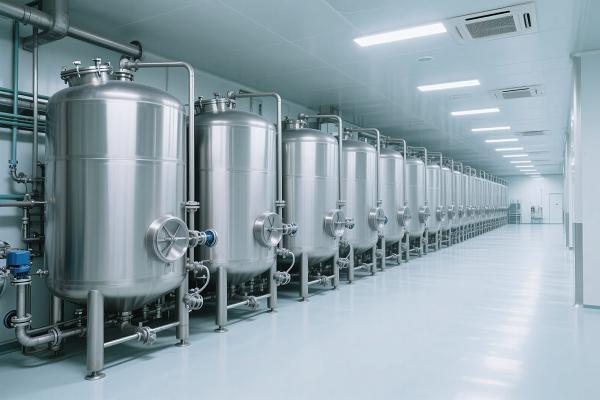
How do you select a stainless steel mixing tank? Soy sauce lines in food plants, syrup lines in pharmaceutical plants, and slurry lines in new-energy workshops — mixing tanks appear in almost every chemical-type workshop, but wrong selections are also the most common: the wrong material causes corrosion and leakage, a mismatched agitation type leaves materials unstirred, and an incorrect volume makes batches fail to match. One-line conclusion: look at the material first, then the process, and finally the supporting equipment. Follow the four steps "material — agitation — volume — supporting equipment" and you will rarely go wrong.
What should you look at first in selection?
The first basis for mixing tank selection is the material, not the price or the tank size. The material decides three things: the corrosion-resistance grade, the shear and circulation capacity required by agitation, and whether the tank needs insulation or heat exchange. The second step is the process: batching, blending, heating, cooling, emulsifying or storage — different processes impose different requirements on agitation and heating configuration. The third step is supporting equipment: manholes, sight glasses, level gauges, thermometers, CIP spray balls and so on, configured according to operation and cleaning needs. If the order is reversed, you often discover a mismatch only after production starts.
How to decide the material: 304 or 316L?
Material selection mainly depends on medium corrosiveness. 304 stainless steel suits water, weak acids, weak alkalis and general food materials, with moderate cost; 316L contains molybdenum, giving clearly stronger resistance to chloride pitting, and suits media containing salt, chlorides or acid/alkali. The judgment basis is not "expensive means better" but whether the medium contains chlorides, strong acids or alkalis, and how high the temperature is.
| Medium condition | Recommended material (typical) | Typical scenario |
|---|---|---|
| Water, syrup, soy sauce, edible oil | 304 | Food batching, beverage blending |
| Salt-containing, chloride-containing materials | 316L | Brine, bittern, disinfectant |
| Weak acid/alkali solutions | 304 or 316L | Chemical additives, cleaning solutions |
| Strong acid/alkali, high-chloride environment | 316L or above | Plating bath, etching solution |
A food plant making seasoning sauces had a high salt content in the material. The first quote was based on 304; we recommended changing the wetted surface to 316L with internal polishing. After three years in production no pitting appeared — an example of deciding material by medium rather than by price.
How to match the agitation type?
Agitation type is selected by material viscosity and process target. Low-viscosity liquids can be mixed uniformly with paddle agitators; medium-viscosity materials or those needing wall scraping use anchor type; high-viscosity pastes use ribbon; slurries needing both high shear and overall circulation use twin-shaft or planetary type. A wrong agitation choice shows up directly: material will not turn over, wall sticking, and inconsistent batches.
| Material viscosity | Agitation type (typical) | Applicable scenario |
|---|---|---|
| Low viscosity (<1 Pa·s) | Paddle, propeller | Blending, dilution, mixing |
| Medium viscosity (1-50 Pa·s) | Anchor, frame | Heating gelatinization, wall-scraping heat transfer |
| High viscosity (50-500 Pa·s) | Ribbon | Pastes, high-viscosity slurries |
| High shear + circulation | Twin-shaft, planetary | New-energy slurries, coatings |
New-energy slurry is the most typical case: high solids content and high viscosity, needing both dispersing shear and overall circulation. A single-shaft agitator often "turns in the middle while the edges stand still"; twin-shaft or planetary agitation with wall scraping is required for consistent batches.

How to decide volume and filling coefficient?
Tank volume is derived backwards from single-batch output and the filling coefficient: actual single-batch charge = nominal volume × filling coefficient. Generally the filling coefficient of a mixing tank is 0.6-0.85; take a medium-to-low value for batching processes that need agitation headroom, and a high value for stable storage. Example: target single batch 5 m³ of liquid, filling coefficient 0.8, nominal volume about 6.3 m³ — choose a 6 or 7 m³ specification with margin. If the volume is too small the batch cannot be accommodated; too large wastes equipment and floor space. Calculating from the actual batch demand is the most stable approach.
How to select for food applications?
Food batching tanks focus on hygiene and cleaning: start with 304 material, polished wetted surfaces, smooth weld seams without dead corners, quick-open manholes and CIP spray balls for batch cleaning. Agitation matches the material — syrup-type medium-to-low viscosity can use paddle or anchor; high-viscosity sauces consider ribbon. Food applications also require seals: shaft-seal leakage contaminates the material, so hygienic mechanical seals are generally selected.
How to select for chemical applications?
Chemical batching tanks focus on corrosion resistance and safety: confirm material and seal type by medium, pay attention to anti-static grounding and explosion-proof motors for solvent-containing materials, and verify jacket and nozzle materials for acid/alkali media. Chemical scenarios often need heating or cooling jackets; choose the jacket form (full jacket, half-pipe coil) by heat-exchange demand. Nozzle layout should leave maintenance space, and manhole size is set by cleaning and maintenance needs — confirming these at the selection stage is far cheaper than retrofitting after production starts.
How to select for new-energy slurry applications?
New-energy cathode/anode slurries have high viscosity and high solids content. For the mixing tank look at three points: whether the agitation structure provides high shear, whether the tank wall has scraping devices against wall sticking, and whether the discharge method can empty quickly. Generally configure twin-shaft or planetary agitation with wall scraping, variable-frequency speed control running along the process curve, and bottom discharge or pumping for discharge. Slurry batch consistency directly affects coating quality, so the agitation type and speed parameters should be confirmed against the formula at the selection stage.
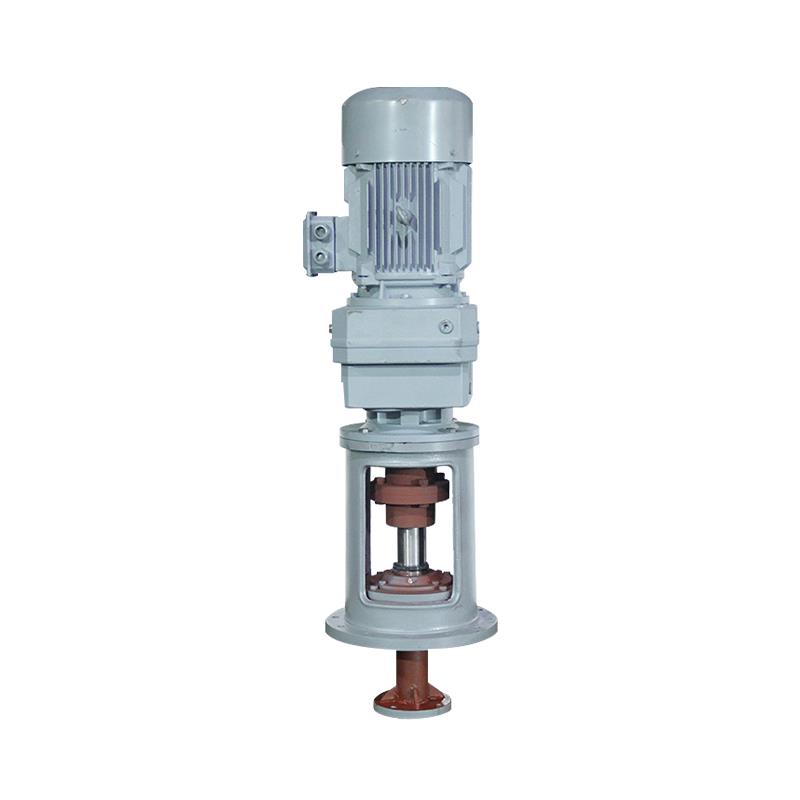
How to configure supporting equipment: instruments, manholes and cleaning
Supporting parts look small but matter a lot: thermometers and level gauges decide process control capability, manholes and sight glasses decide operation and observation convenience, and CIP spray balls decide cleaning efficiency. The selection principle is "configure by operation needs and cleaning needs": frequent level observation calls for magnetic flap or radar level; sampling calls for a side sampling valve; hygienic cleaning calls for CIP spray balls. Confirm the positions and quantities of supporting parts at the drawing stage to avoid drilling openings for retrofits after the equipment arrives.
How to balance budget and delivery time?
Budget and delivery cannot be judged by unit price alone. The cost drivers of a mixing tank are material thickness, the agitation system and surface treatment: at the same volume, 316L costs more than 304, twin-shaft agitation costs more than single-shaft, and mirror polishing costs more than ordinary pickling. At selection, separate "required items" from "optional items": material and agitation are required items, set by working conditions; polishing grade and brand instruments are optional items, adjusted by budget. On delivery, standard tank models ship faster; non-standard customization needs time for drawing confirmation and fabrication, so expansion plans should place orders early.
How to do site acceptance and installation commissioning?
Acceptance at arrival cannot rely on appearance alone — verify three points: material and drawing consistency (check the material certificate and nameplate, confirm polishing grade on wetted surfaces per contract), completeness of agitation and supporting parts (check motor, reducer, seal, instruments, manhole and sight glass against the list), and surface treatment (smooth welds, no burrs, no rust spots inside). During installation commissioning, run an empty-load test first: confirm correct rotation, smooth running and no abnormal noise, then load and run one batch to verify mixing effect and temperature-control accuracy, and enter normal production only after the trial batch passes. Keep acceptance records as the basis for later quality tracing.
Common faults and troubleshooting of mixing tanks
Problems during mixing tank operation concentrate on the agitation and seal systems. Motor overload or high current is generally high material viscosity or blades caked with material — check the load condition first, then the blades; abnormal running noise may be bearing wear, loose blades or shaft eccentricity — stop and check fastening and concentricity; shaft-seal leakage is mostly aged seals or improper installation — replace by seal type and verify assembly; slow temperature rise or unstable temperature is mostly jacket scaling or a steam-side problem — descale and check the steam trap. Build an inspection checklist and check on a schedule; most faults can be found before shutdown.
| Fault symptom | Possible cause (typical) | Handling direction |
|---|---|---|
| Motor overload, high current | Viscosity too high, blades caked | Check load, clean blades |
| Abnormal noise, shaking | Bearing wear, shaft eccentricity | Stop and check, tighten and correct |
| Shaft-seal leakage | Seal aging, improper assembly | Replace seal, verify assembly |
| Slow rise, unstable temperature | Jacket scaling, steam trap fault | Descale, repair steam trap |
Common Q&A
Q: What is the difference between a mixing tank and a reactor? A: Their functional positioning differs. A mixing tank mainly does mixing and blending; a reactor is configured with heating, cooling and agitation per the reaction process, with higher structural strength and sealing grade. Selection is decided by process function.
Q: How to quickly tell 304 from 316L? A: They look similar. Generally rely on the material certificate and spectral testing; ask the manufacturer for material certification at purchase, and the molybdenum content of 316L can be verified by testing.
Q: Must high-viscosity materials use ribbon agitation? A: Not necessarily, but the structure must be able to drive overall circulation. Ribbon, planetary or twin-shaft all work; choose by viscosity and process, and for very high viscosity add wall scraping against sticking.
Q: Does the tank need insulation? A: It depends on the process. Materials needing temperature maintenance get insulation; heating or cooling needs a jacket for heat exchange; plain storage at ambient temperature can skip it to avoid useless cost.
Q: What parameters should be provided to the manufacturer for selection? A: Generally provide material name and characteristics (viscosity, density, temperature, corrosiveness), single-batch output and batch cycle, and process requirements (agitation, heating, cooling, cleaning). The manufacturer matches material, agitation type and volume by these parameters — the more accurate the parameters, the better the fit.
Summary
Selecting a stainless steel mixing tank follows four steps "material — agitation — volume — supporting equipment": material is decided by medium corrosiveness, agitation by viscosity and process, volume calculated from batch and filling coefficient, and supporting equipment configured by operation and cleaning needs. Food, chemical and new-energy slurry scenarios each have their own emphasis. Checking the configuration against typical working conditions, and matching upstream/downstream equipment as a whole when selecting complete process lines, avoids repeated rectification after production starts.
Further reading: - How to arrange mixing tank nozzles: tank-top connections and maintenance space design - Selection of mixing equipment for high-viscosity materials: from high-speed dispersers to planetary mixers
---
This article is compiled by Shenzhen Hyline Equipment Manufacturing Co., Ltd. (hyline.cn); all information rights belong to the original authors. Main products: stainless steel reactors, mixing tanks, storage tanks, dispersers, concentration tanks and complete chemical process lines; custom (non-standard) manufacturing supported.
Q&A from this article
Frequently asked questions and answers from this article
Material selection mainly depends on medium corrosiveness. 304 stainless steel suits water…
Related Products
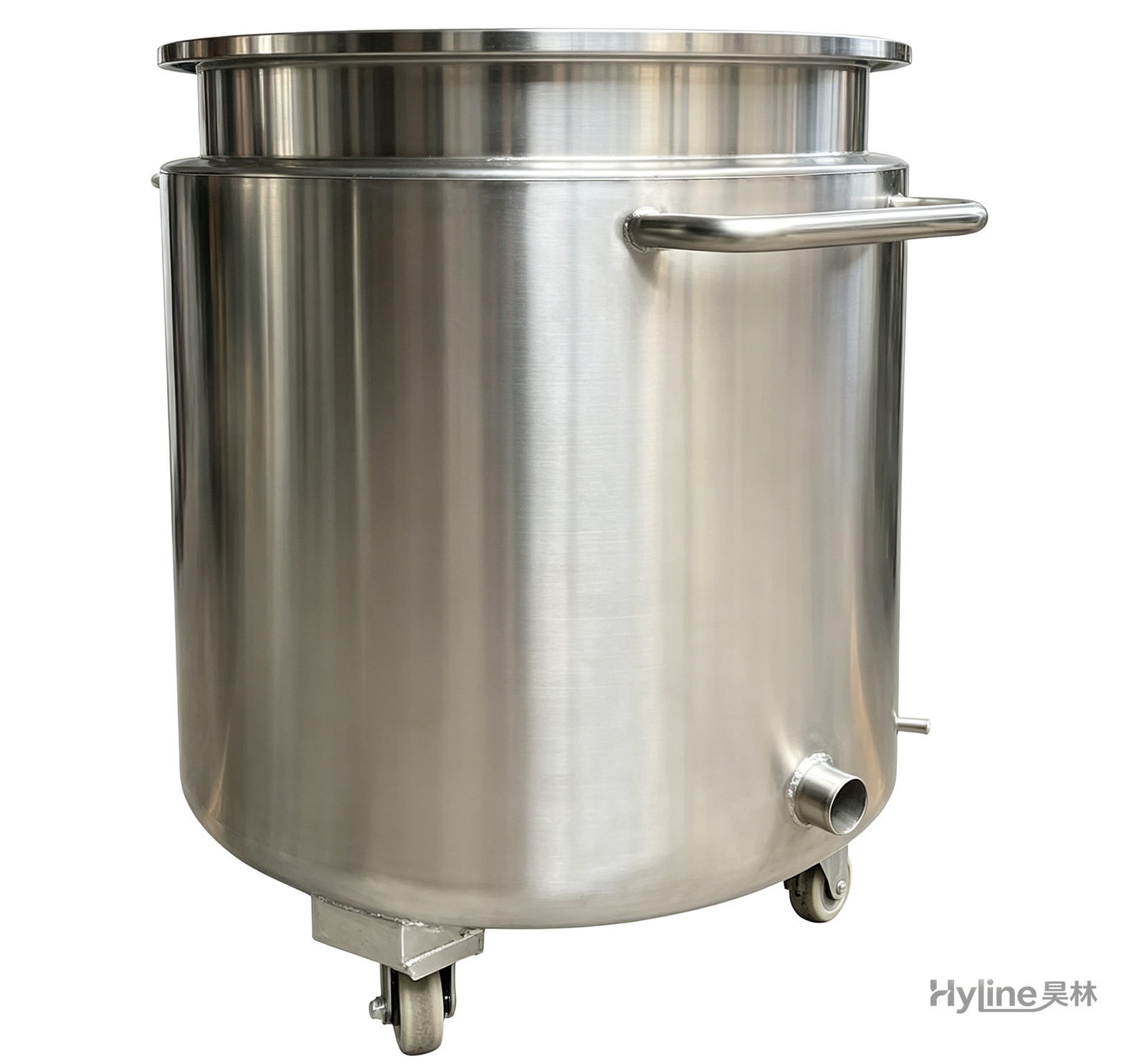
Stainless Steel Mixing Tank (Dispersion Drum)
Supporting vessel for dispersers and mixers in paints, coatings, adhesives, color slurries, inks and electronics. Available in 201/304 stainless with internal/external polishing and sloped bottom side discharge for complete draining.
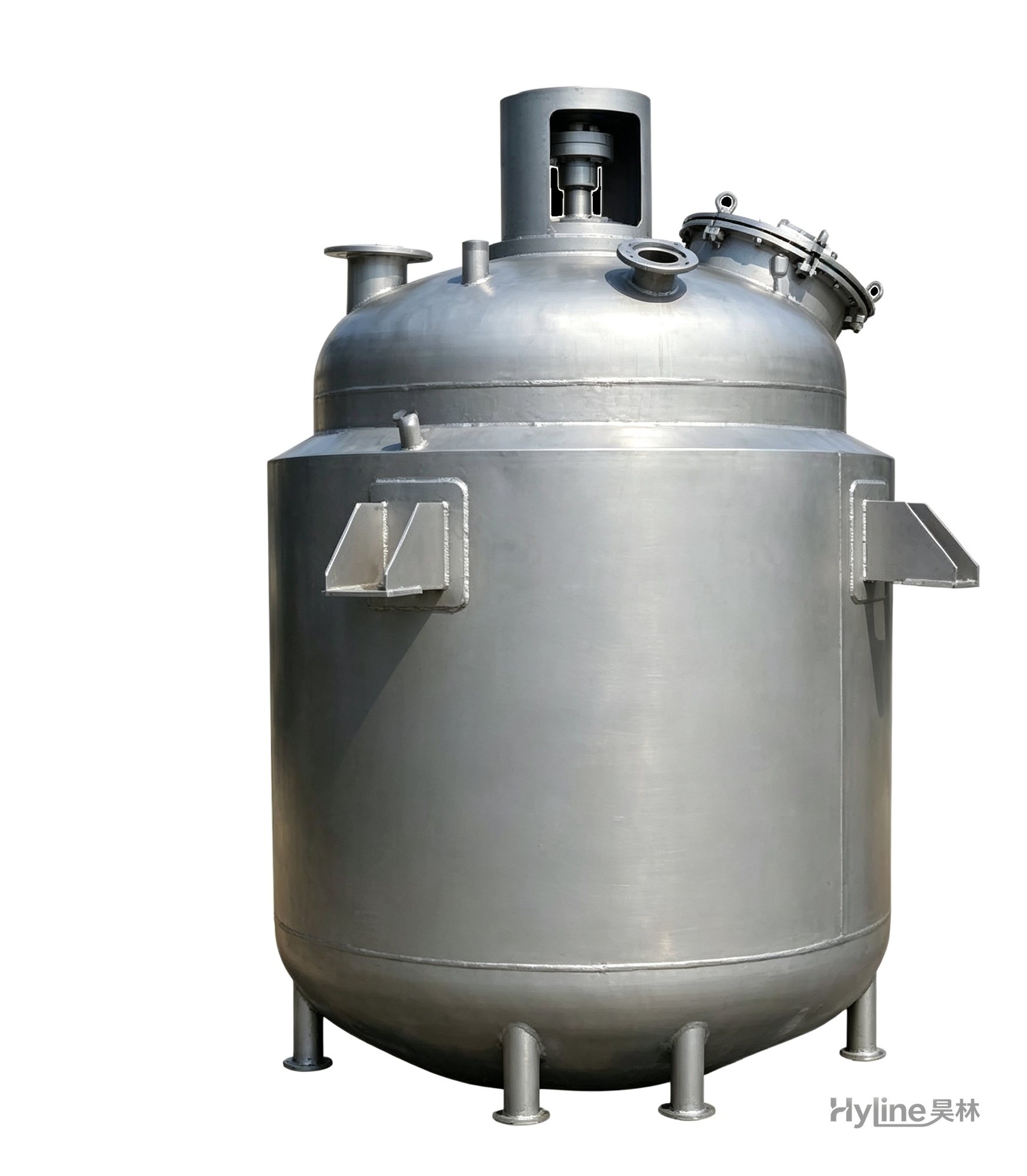
Jacketed Reactor
The typical main reaction vessel in chemical production. Mixing, heating and cooling disperse and mix materials for reaction and polymerization. The jacket circulates thermal oil/steam for heating or cooling water for temperature control.
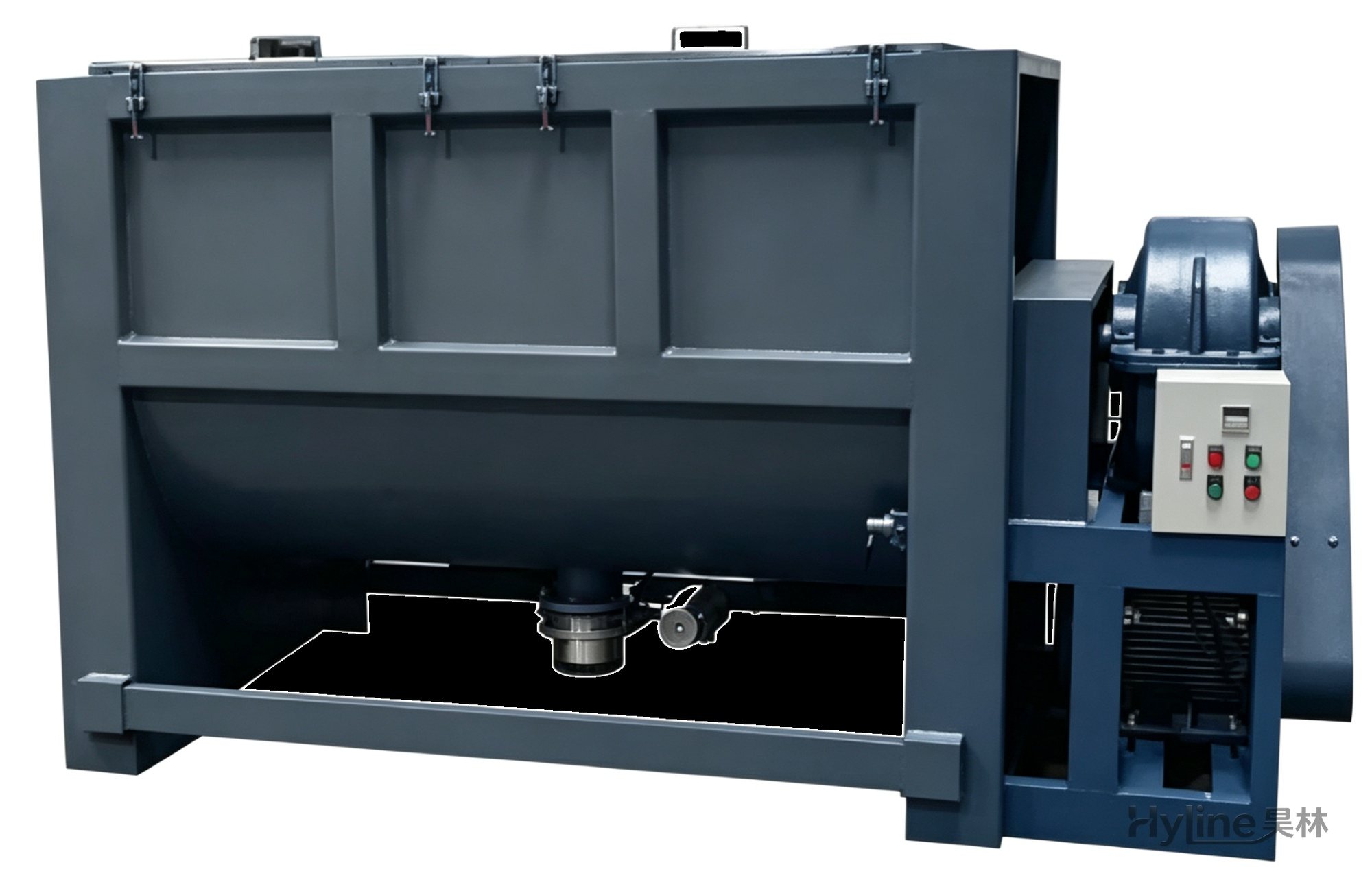
Horizontal Mixer
For color blending of plastic pellets, new/old materials and additives. Single-layer for mixing; double-layer with oil heating of 50-150℃ (custom up to 300℃). Ideal for PVC/PP/PE pellets and chemical powders such as calcium carbonate and titanium dioxide.
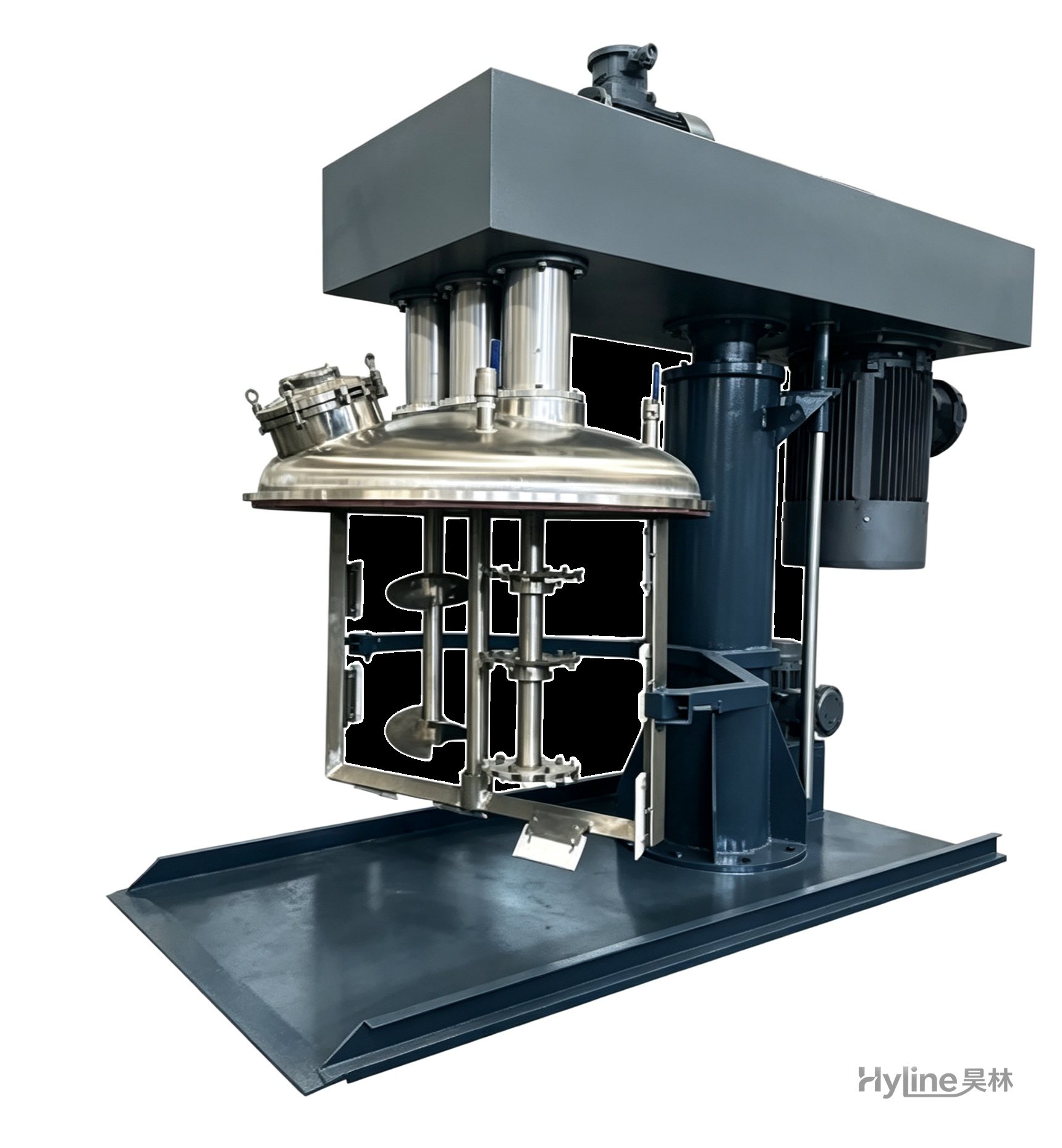
SJ Series Multi-Function Mixer
A new high-efficiency mixer for high-viscosity materials, rapidly dispersing, dissolving and homogenizing. Widely used in offset printing inks, putties and adhesives. Vacuum type customizable.
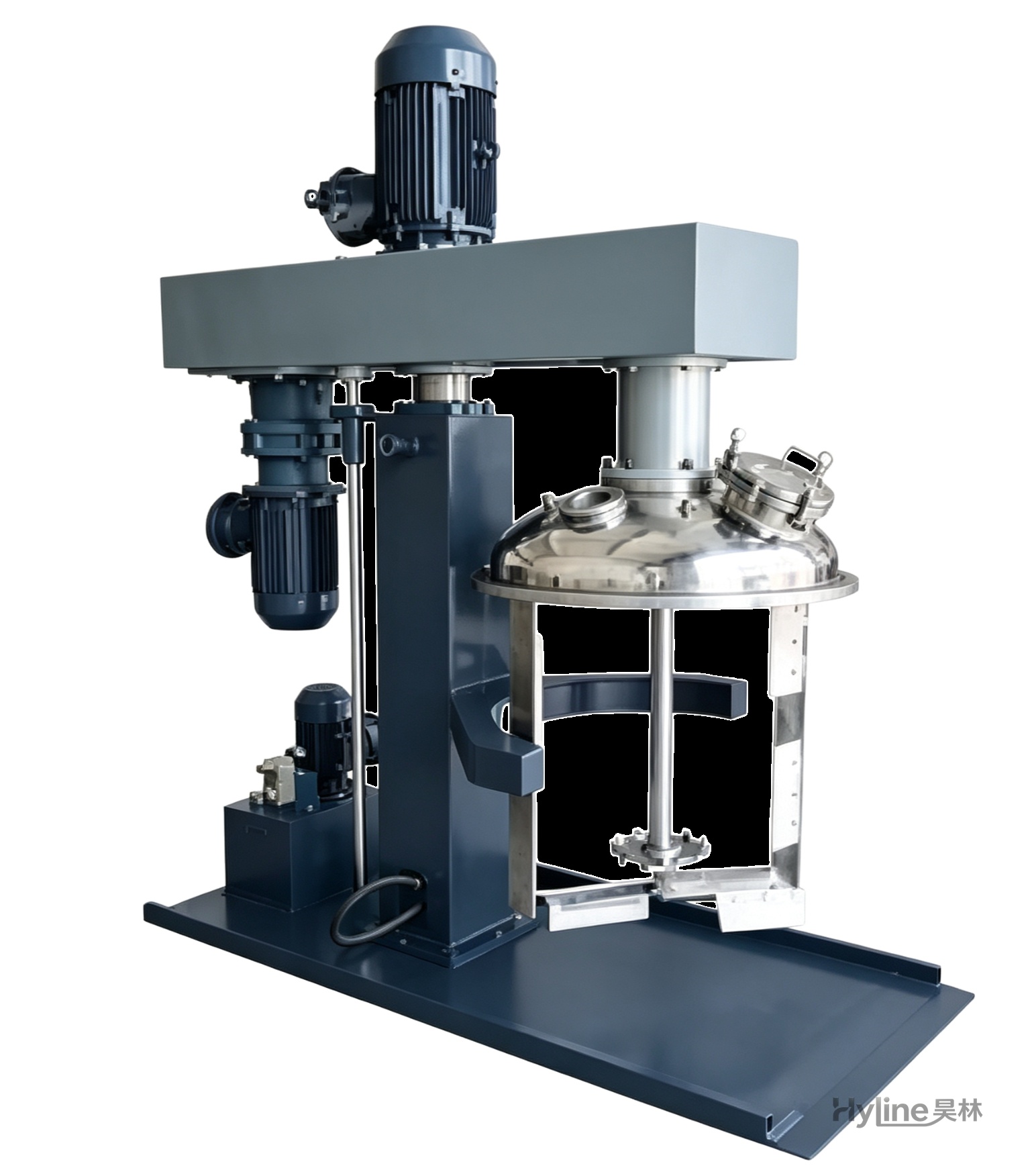
TSJ Series Concentric Twin-Shaft Mixer
Mixes materials of 3000-20000 cps. Low-speed blades with Teflon scrapers sweep the tank wall and push material to the center; high-speed toothed impellers disperse powerfully. High and low speeds run independently.
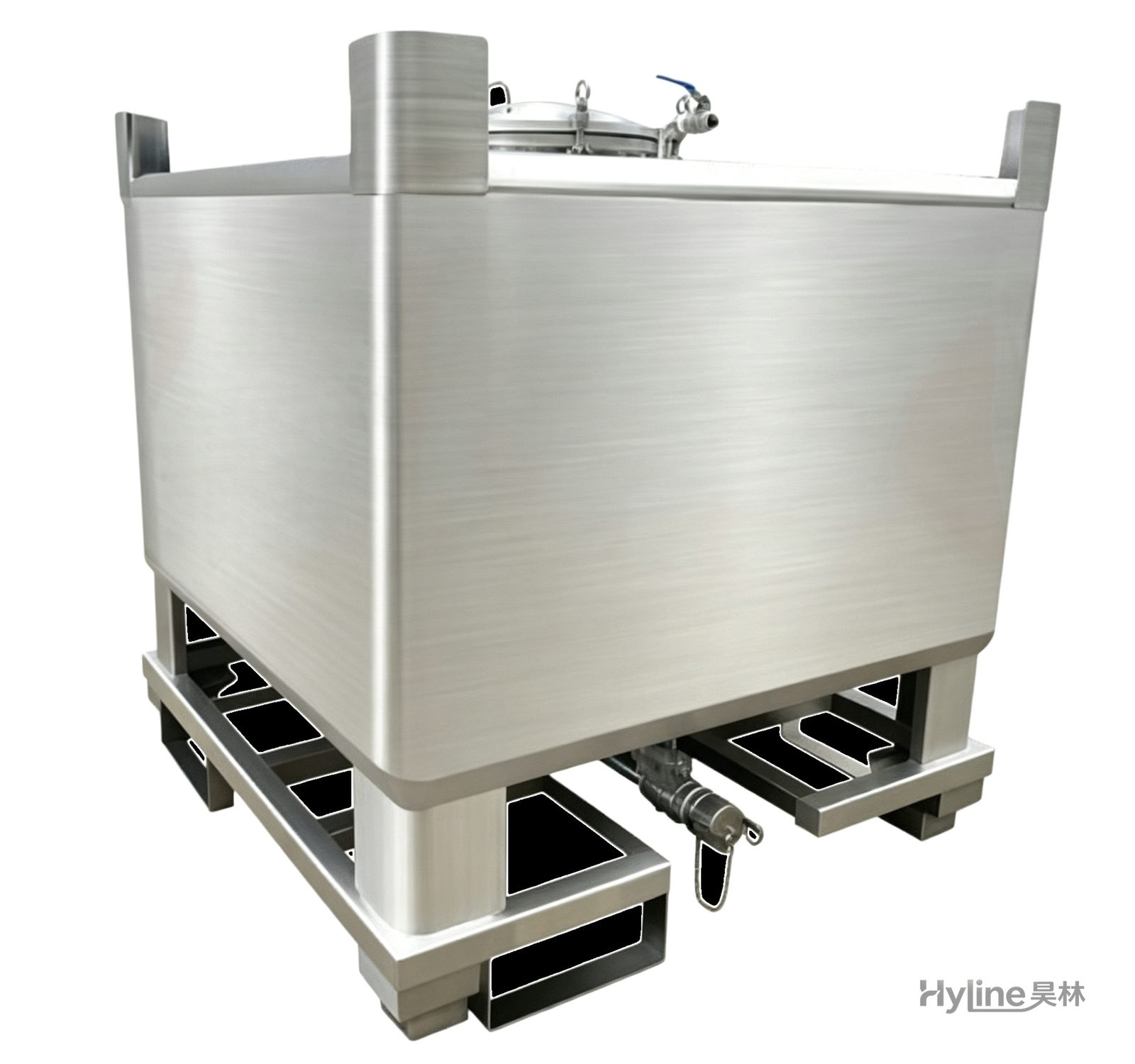
IBC Tank (Intermediate Bulk Container)
HDPE blow-molded liner with hot-dip galvanized steel frame - UV resistant, anti-aging, easy to clean, non-toxic. Four-way fork base for easy handling and stacking; ideal for liquid storage and transport.