
How to Size the Capacity and Dimensions of a Stainless Steel Storage Tank? Calculate by Storage Period, Turnover and Site
10/14/2026
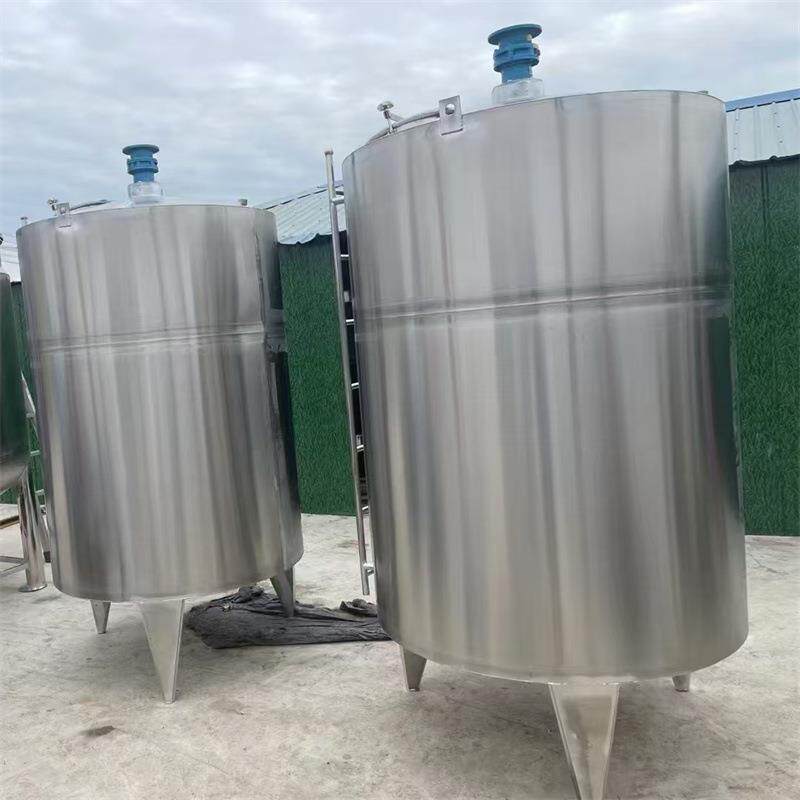
The capacity of a stainless steel storage tank is not decided by guesswork: first calculate how much material is stored per day and for how many days, then divide by the filling rate (generally 80-90%) to get the theoretical capacity; then decide vertical or horizontal, diameter and height ratio by the site height and discharge method. This article explains the complete logic of capacity calculation, tank type selection and dimension checking, so you can run through the calculation in this order when buying.
How to Set the Storage Period? Raw Material, Intermediate and Finished Product Separately
One-line conclusion: raw material tanks follow the purchasing and safety stock period, finished product tanks follow the sales and dispatch rhythm, and intermediate tanks follow the process buffer volume.
The period of raw material tanks depends on supply stability and purchase batch size, generally designed for 3-7 days of usage; finished product tanks follow dispatch batches and transport cycles, generally 3-10 days of output; intermediates only buffer between processes, with the shortest period, generally 1-2 days. A longer period means a bigger tank, tying up capital and site space; so align with the production and purchasing plans first, then calculate the capacity, rather than fixing the tank first and deriving the period backwards.
Filling Rate and Safety Margin: Generally Calculated at 80-90%
One-line conclusion: tank capacity is designed at a filling rate of 80-90%, leaving room for level fluctuation, expansion and cleaning.
Thermal expansion of the liquid, feed fluctuation and cleaning downtime all need margin; common industry practice takes a filling rate of about 85%, and 80% for easily expanding media. Note the difference between "nominal capacity" and "effective capacity": nominal capacity is the geometric volume, and effective capacity is what can actually be used. When buying, derive the nominal capacity from the effective capacity demand, so you do not end up with a "rated 10 m3" tank that only holds 8.5 m3.
Vertical or Horizontal? Site Height, Discharge Method and Cost
One-line conclusion: choose vertical for high sites and compact space; choose horizontal for low workshops, gravity discharge or large tonnage.
Vertical tanks occupy less floor space and use less steel per unit capacity, but require workshop height (including manhole and maintenance space); horizontal tanks are low, convenient for bottom discharge and easy to empty, but occupy more floor space. Generally, vertical tanks have a height-to-diameter ratio of 1-2, and horizontal tanks a length-to-diameter ratio of 2-4. Also consider the installation environment: outdoor and indoor clean workshops differ in material, insulation and protection requirements, which changes the cost.
Multiple Tanks in Parallel or One Larger Tank? Turnover, Cleaning and Flexibility
One-line conclusion: choose multiple parallel tanks when cleaning rotation or separate product storage is needed; a single tank is more economical when the product is single and stable.
A single tank costs less and occupies less space, but cleaning forces production downtime, and mixing different materials in one tank carries cross-contamination risk; two or more smaller tanks allow one-in-use-one-standby rotation and separate storage by product. Common industry practice: choose one or two tanks for 1-2 products, and separate tanks by product for 3 or more products. For small batches or frequent turnover, an IBC tote is more flexible than a fixed large tank and can serve as a transitional solution. This decision affects the allocation of total capacity, so decide the number of tanks first, then size each one.
How to Check Tank Dimensions? Converting Capacity, Diameter and Height
One-line conclusion: after choosing the tank type, derive the diameter and height (or length) from the capacity and check whether it matches the site.
For a vertical tank, capacity V = pi/4 x D^2 x H (D is inner diameter, H is shell height), plus head volume; for a horizontal tank, calculate the cylindrical section plus heads. At the same capacity, a larger diameter means a shorter but wider tank; a smaller diameter means a taller but more compact tank that needs more building height. When checking, add up "shell height + head + manhole and maintenance space" and see whether it exceeds the workshop clear height. This step finds fit problems at the drawing stage, saving far more than fixing them after the equipment arrives.
How to Connect Discharge and Accessories? Pump, Vent and Metering
One-line conclusion: the discharge method decides the tank bottom structure, and metering and venting decide the accessory list; list them all during selection.
Gravity discharge requires the tank bottom to be higher than the receiving equipment; pump discharge needs a bottom valve and pump selection; viscous materials may need an insulation jacket or bottom heating. The vent is fitted with a breather valve or filter, and level is measured with a magnetic flap or radar level gauge. When finished product tanks discharge to a filling machine, the bottom valve position and piping length should be planned together. These accessories are usually not in the "tank body price", but missing them affects operation, so write the full list in the purchase order.
Capacity Calculation Example: Coating Intermediate with 3-Day Turnover
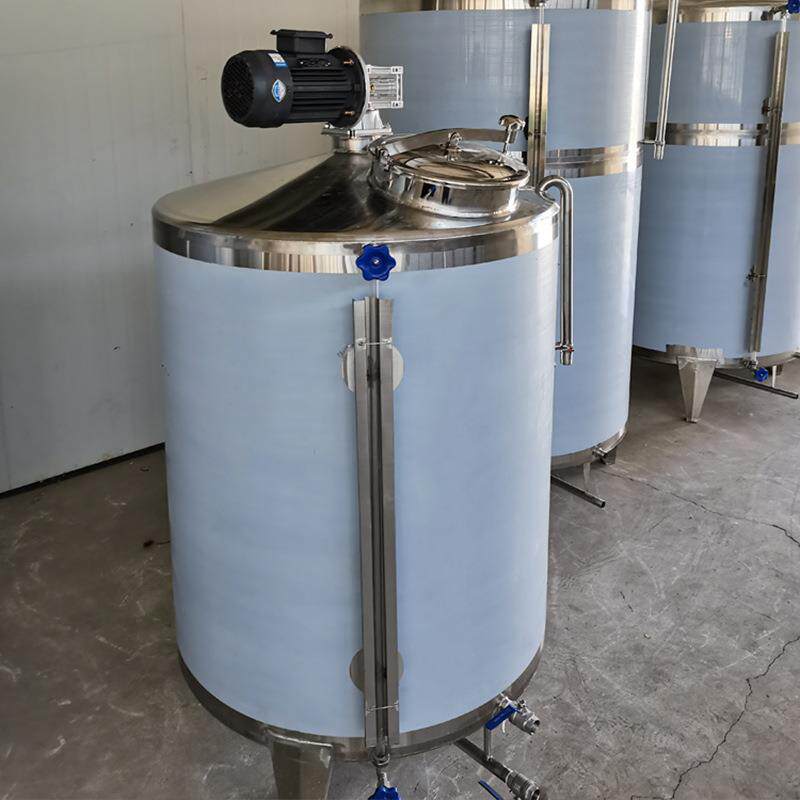
One-line conclusion: taking 20 tons daily output, 3-day storage and 85% filling rate as an example: the required stock is 60 tons, the nominal capacity is about 65-72 m3, and two 36 m3 vertical tanks can be configured.
Example: a coating plant has 20 tons of daily intermediate output and a 3-day storage period, so the required stock is 60 tons; with a medium density of about 1.0-1.1 t/m3, the volume is about 55-60 m3, divided by the 85% filling rate, the nominal capacity is about 65-72 m3. Combined with the site and turnover: two 36 m3 vertical tanks allow one in use and one standby with rotating cleaning, more flexible than one 70 m3 tank. The key of this example is that every number is consistent: daily usage, period, density, filling rate and tank count; missing any one distorts the result. When buying, substitute your own daily output and period to get a verifiable capacity list.
Tank Openings and Level Instruments: How to Arrange Manhole, Sight Glass and Instrument Nozzles
One-line conclusion: open the manhole, vent and instrument nozzles on the top, sight glass and level gauge nozzles on the side, bottom valve and discharge nozzle at the bottom; finalize the opening list with the drawing at one time.
Opening design affects tank strength and usability: the manhole is generally DN400-500 for maintenance and cleaning; the top vent connects a breather valve or filter; the level gauge nozzle follows the gauge type, magnetic flap side-mounted, radar top-mounted; one or two sight glasses allow observation; the bottom valve is DN50-DN100 according to the discharge flow. Opening positions and sizes should be written into the drawing and checked for interference with shell welds and reinforcing rings. Too many openings weaken the shell, too few make later welding expensive; confirm the opening list as an attachment of the technical agreement when buying.
Insulation, Heating and Installation: Viscous Materials and Site Accessories
One-line conclusion: viscous or low-temperature solidifying materials need an insulation jacket or heating coil; installation should consider foundations, maintenance access and lifting space.
An insulation jacket is used for heat preservation or heating; steam, thermal oil or electric tracing is selected by temperature requirement; outdoor tanks also need insulation layer against freezing and condensation. Installation accessories: the foundation must carry the fully loaded weight; vertical tanks use legs or skirt supports, horizontal tanks use saddles; keep maintenance access between tanks and lifting space above the top manhole; piping should consider thermal expansion and contraction with expansion joints or bends. Most of these accessories are not in the tank quotation but directly affect use and service life; plan the purchase list and installation scheme together so on-site installation does not require rework.
Level Control and Overflow Prevention: High-Level Alarm and Feed Interlock
One-line conclusion: storage tanks should be equipped with a level gauge and high-level alarm, and the feed valve interlocks with the level; overflow prevention is a basic safety requirement of chemical storage.
Level gauge selection depends on medium and accuracy: magnetic flap is intuitive and reliable, radar suits viscous and pressurized service, ultrasonic is sensitive to foam and needs caution. The high-level alarm point is generally set near the upper filling-rate limit, and the feed pump or valve interlocks with the level to stop the pump and close the valve automatically at high level; the low-level alarm prevents the pump from running dry. Outdoor large tanks also need lightning and static protection with bonding across transfer piping. Write these safety accessories into the technical agreement and operation manual, and verify them item by item during on-site commissioning to avoid the passive situation of "watching the tank by eye".
Cleaning and Hygiene: CIP Spray Balls and Tank Bottom Slope
One-line conclusion: tanks that change materials frequently need CIP spray balls, a sloped bottom with the discharge at the lowest point, and the fewer dead corners, the cleaner the tank.
The food, cosmetics and pharmaceutical industries demand high hygiene: install CIP spray balls or rotary nozzles inside so the cleaning liquid covers the whole inner wall; make the bottom conical or sloped with the discharge at the lowest point so residual liquid drains completely. Minimize dead corners at the manhole, sight glass and agitation nozzles, and smooth the welds. Cleaning verification: rinse then sample for residue, or judge by conductivity and pH. When buying, write "bottom slope, spray ball quantity and position" into the technical agreement to avoid discovering poor cleaning and cross-contamination after commissioning. The mirror polishing and passivation of hygienic tanks also directly affect cleaning results.
What to Calculate First When Buying? A Checklist in Order
One-line conclusion: follow the six steps - daily usage, storage period, filling rate, tank type, dimensions, accessories - and every step has a number to check.
Write the six steps in one table: daily usage (tons/day) times storage period (days) gives the required stock, divided by the filling rate gives the nominal capacity; then choose the tank type by the site, derive dimensions to check clear height; finally list pumps, breather valves, level gauges, insulation and other accessories. With such a purchase list, suppliers can check item by item when quoting, and nothing will be missing at site installation.
Practical Advice: Finalize the Storage Tank Configuration List at One Time
One-line conclusion: finalize the five items, namely capacity, tank type, openings, level control and safety accessories, at one time, and check both the quotation and site delivery against the list to avoid later welding and rework.
The configuration list covers five items: nominal capacity and tank count, vertical or horizontal type and dimensions, the opening list (manhole, sight glass, level gauge nozzle and discharge nozzle), level control and overflow prevention, and insulation, heating and installation accessories. Mark each item with a confirmed value or "to be determined"; compare prices by the list at the quotation stage and check item by item at site acceptance. Write insulation and heating in advance for viscous materials, CIP and bottom slope for frequent product changes, and lightning and static protection for outdoor installation. With the list finalized at one time, later changes are few, and the equipment can be installed and commissioned smoothly on arrival, avoiding the passive situation of "buying the tank first and adding accessories later".
Further Reading
- How to Choose a Stainless Steel Storage Tank? Vertical, Horizontal and Insulated Tanks by Condition: Capacity and Accessories
- How to Calculate Chemical Equipment Capacity? Batch Cycle, Loading Factor and Reactor Capacity Matching
This article is provided by Haolin Shengda Equipment Manufacturing Co., Ltd. (hyline.cn), specializing in stainless steel reactors, mixing tanks, storage tanks, dispersers, concentrators and complete chemical line support, with non-standard customization available.
Q&A from this article
Frequently asked questions and answers from this article
Size a stainless steel storage tank by storage period and daily usage: long period and low turnover mean a bigger tank; a tight site favors multiple tanks; vertical saves floor space and horizontal is low. This article gives the method.
Related Products
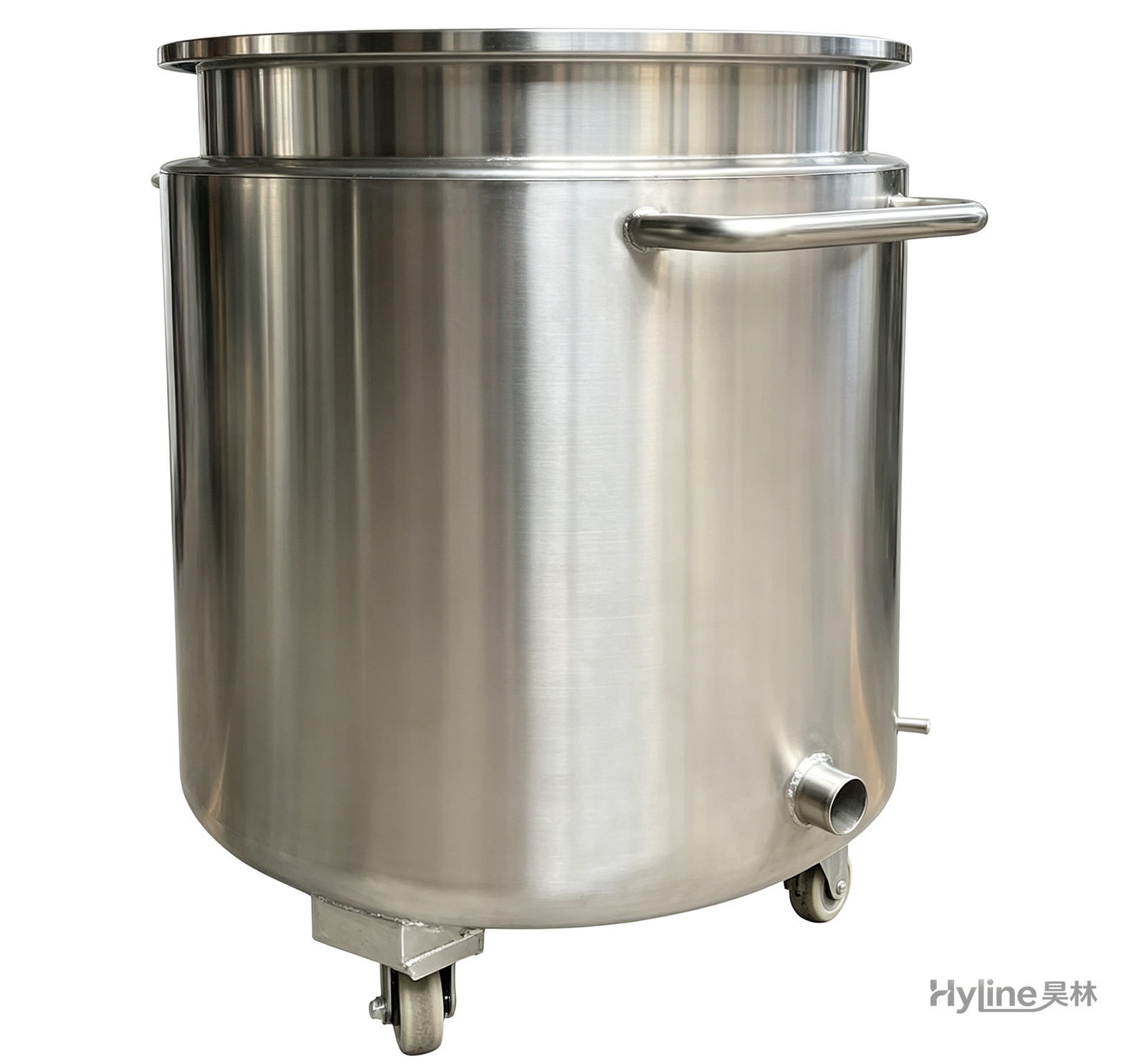
Stainless Steel Mixing Tank (Dispersion Drum)
Supporting vessel for dispersers and mixers in paints, coatings, adhesives, color slurries, inks and electronics. Available in 201/304 stainless with internal/external polishing and sloped bottom side discharge for complete draining.
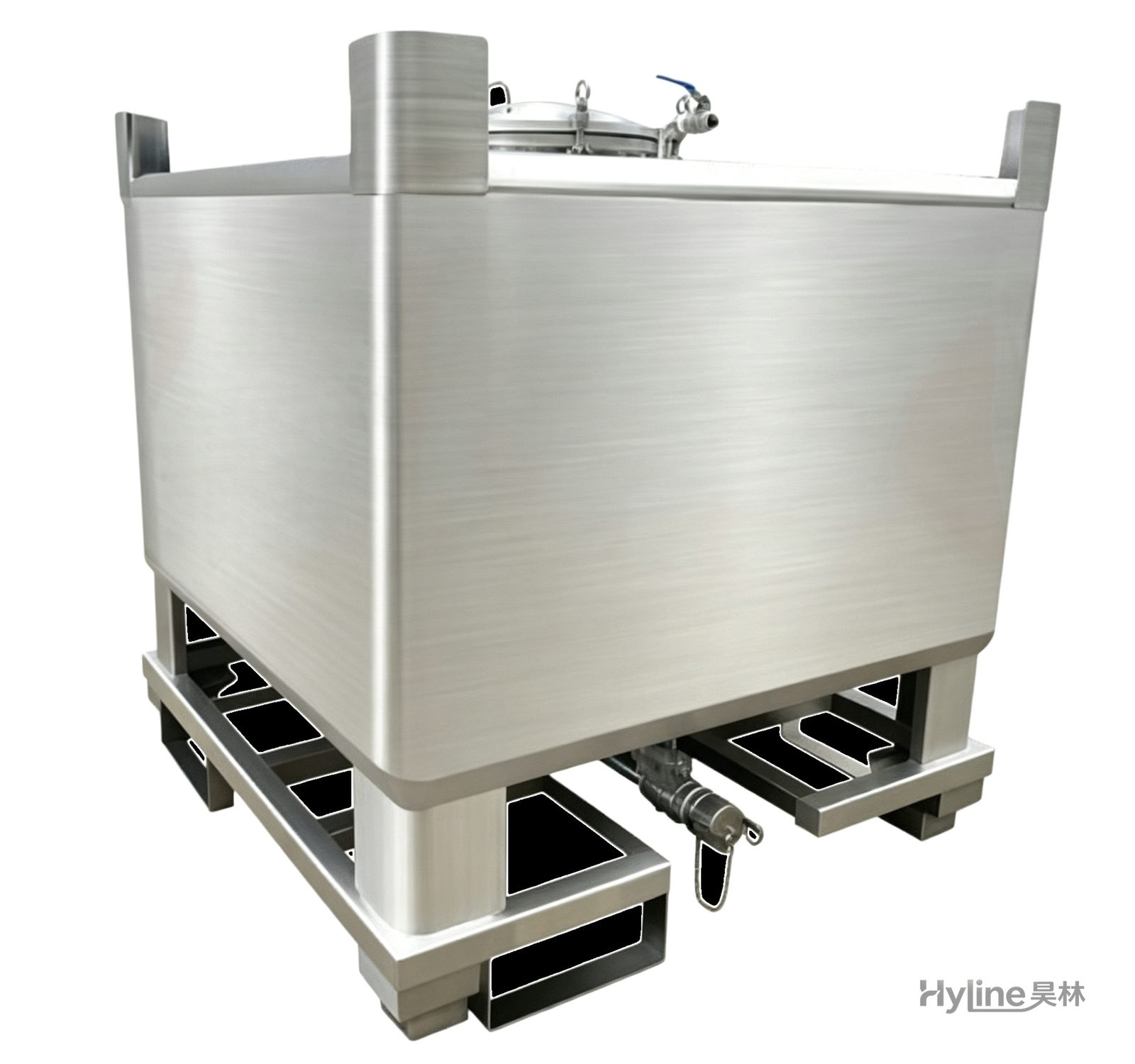
IBC Tank (Intermediate Bulk Container)
HDPE blow-molded liner with hot-dip galvanized steel frame - UV resistant, anti-aging, easy to clean, non-toxic. Four-way fork base for easy handling and stacking; ideal for liquid storage and transport.
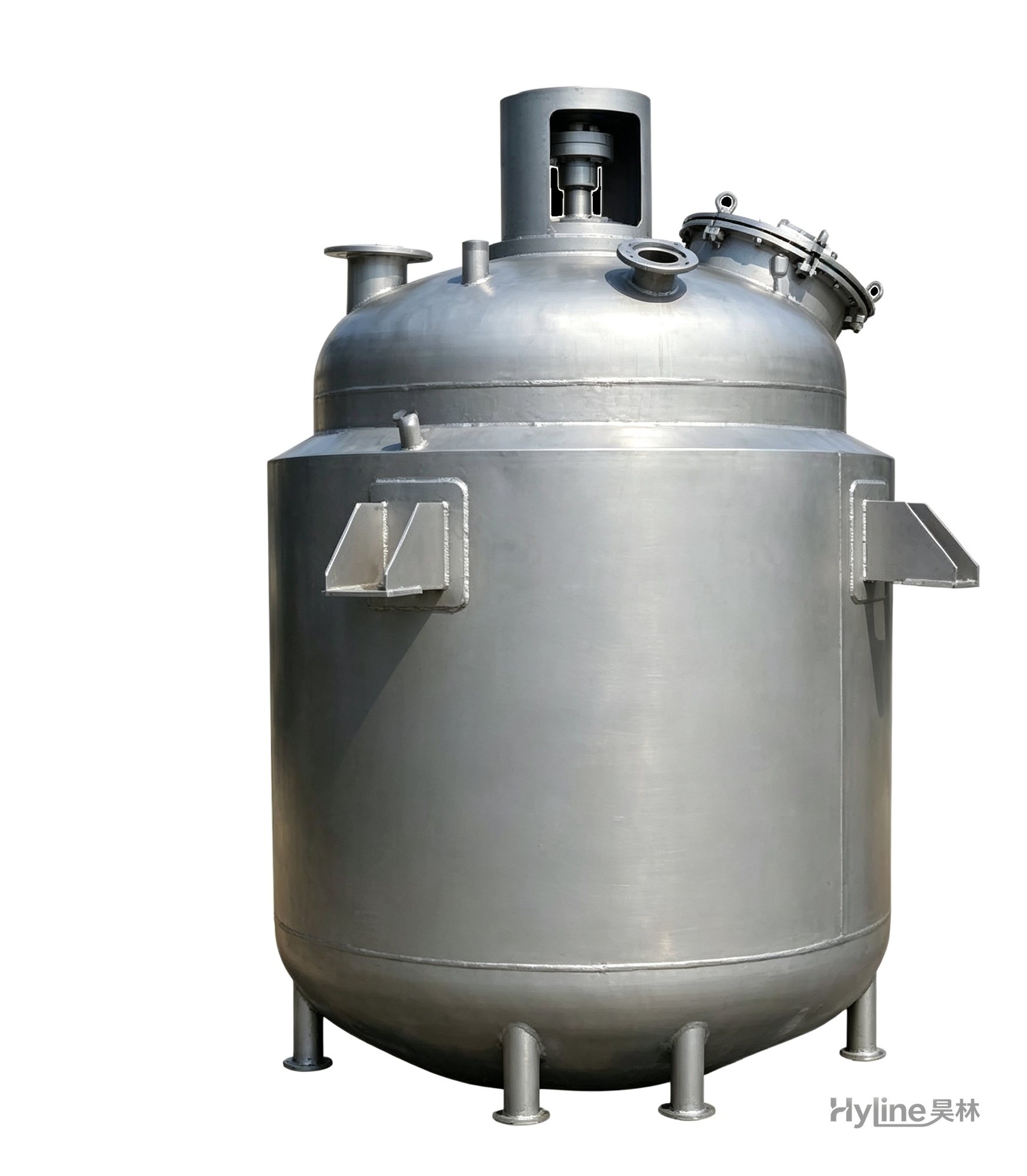
Jacketed Reactor
The typical main reaction vessel in chemical production. Mixing, heating and cooling disperse and mix materials for reaction and polymerization. The jacket circulates thermal oil/steam for heating or cooling water for temperature control.
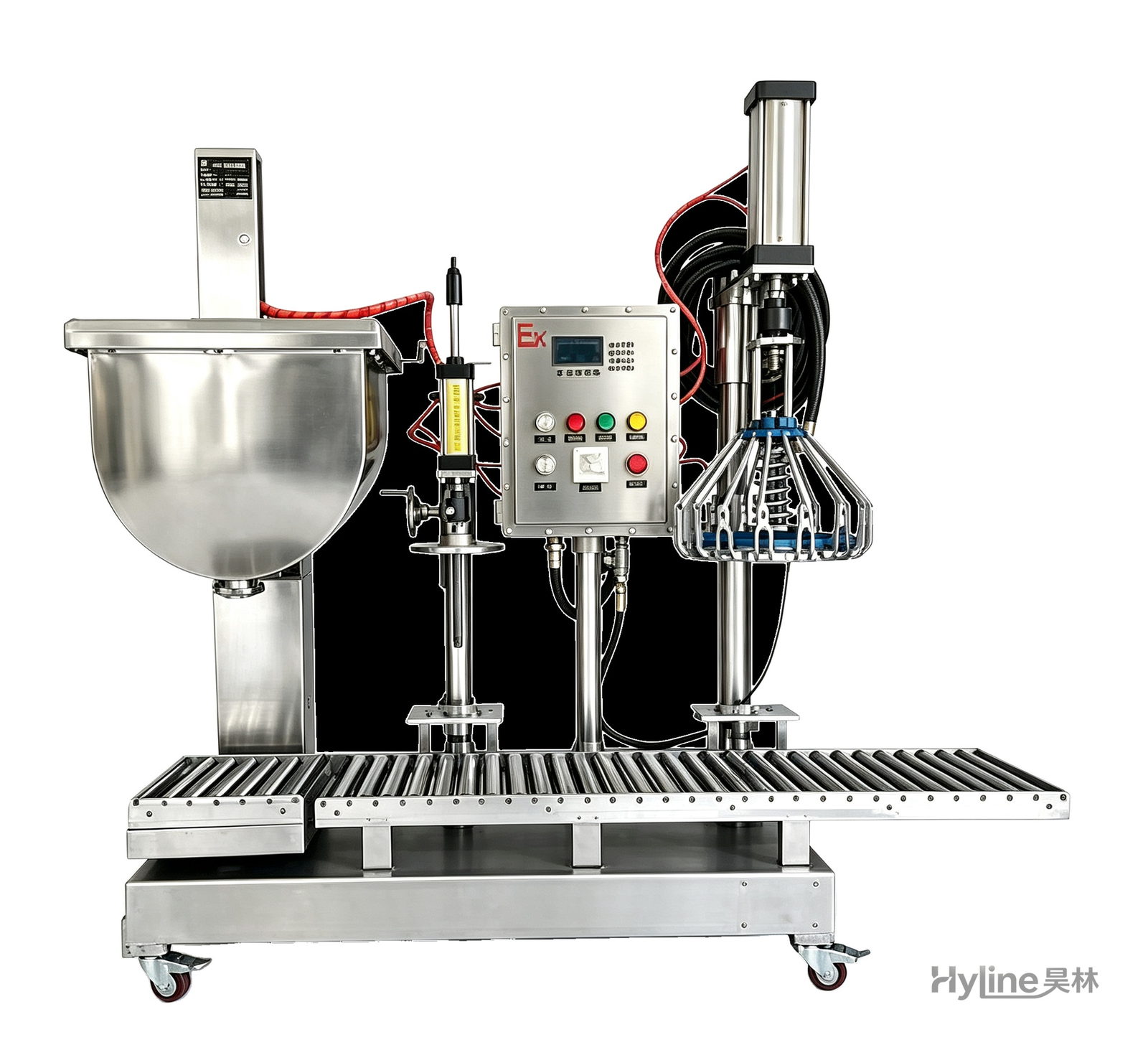
Weighing Semi-Automatic Filling Machine
Designed for frequent packaging changes with dual capping. European weighing technology with Siemens PLC: automatic feed speed adjustment and precision correction, triple protection (emergency stop/power-off/tank removal), explosion-proof fittings.