
How to Fully Drain a Stainless Steel Storage Tank? Bottom Slope, Outlet and Cleaning Design Points
10/18/2026
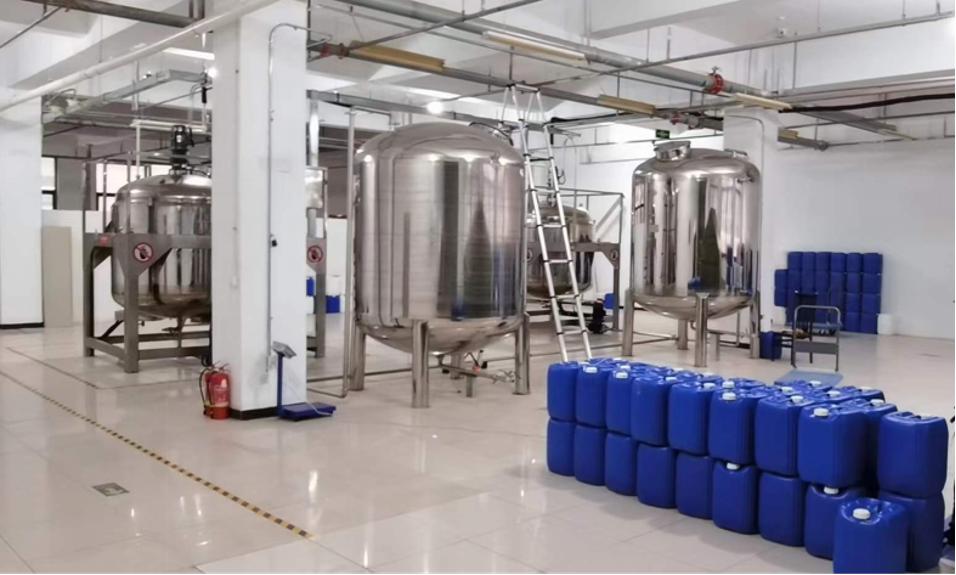
The stainless steel storage tank is general-purpose equipment for storing liquid raw materials, intermediates and finished products in the chemical, food, daily chemical and pharmaceutical industries, ranging from small tanks of tens of litres to large tanks of tens of cubic metres. If a tank is designed only to "hold the material" without considering "draining it clean", the plant will repeatedly deal with bottom residue after commissioning: a batch is not fully discharged before the next one starts, causing odour transfer and component contamination; high-viscosity material sticks to the wall and forms crusts, making cleaning take several times longer; poorly positioned sampling and discharge ports affect metering and batch records. Based on common liquid storage conditions, this article explains how to set the bottom slope, how to arrange the discharge port and how to design cleaning, helping you get "clean draining" right at the selection and retrofit stage.
What problems does incomplete draining cause?
One-sentence conclusion: the direct consequences of insufficient drain design are cross-contamination between batches, longer cleaning time and inaccurate metering, which also brings compliance risks in the food and pharmaceutical industries.
Three points of basis. First, residual liquid from the previous batch mixes with the new batch, the component ratio drifts, product indicators fluctuate and batch records cannot be accurately matched. Second, material left in the tank for too long raises the risk of microorganism growth and oxidative deterioration, and more cleaning agent and longer time are needed to reach the acceptance standard. Third, when discharge is incomplete, inventory and output do not match, and weighing or level metering counts the residue into the next batch, bringing errors to material balance accounting.
Therefore, for conditions with frequent batch switching, high cleanliness requirements and high material cost, drain design is not optional but a necessary condition at the selection stage.
Why should the bottom have a slope? What slope is common?
One-sentence conclusion: the bottom slope lets liquid collect toward the low point by gravity; the steeper the slope, the more complete the draining. Cone bottoms and sloped dished bottoms are common solutions, while flat-bottom tanks have the worst draining ability.
Common practice: a cone bottom (cone angle generally 60°-90°, 60° commonly used) with a bottom-centre discharge port lets liquid flow naturally along the cone surface, and viscous material is less likely to accumulate; a dished or elliptical bottom has a gentle curvature and more residue than a cone bottom, usually requiring a sloped pad or raised installation; a flat bottom has a large residue area and is generally only used for pure water, low-viscosity liquids or occasions where a small amount of residue is acceptable. Whether the slope is sufficient should be judged together with the rheology of the material: water-like low-viscosity liquid can basically drain by gravity in a 60° cone bottom; pasty and high-viscosity material needs stirring or pressurised discharge in addition to the slope.
In practice, "drainage rate" can be used as an acceptance criterion: for general conditions, residue after one discharge is required not to exceed 0.5%-1% of tank capacity; for strict clean and batch-switching conditions, the requirement is lower and rinsing re-verification is added.
Where should the discharge port be to drain cleanly? Bottom discharge versus side discharge
One-sentence conclusion: storage tanks with high drain requirements should give priority to bottom-centre discharge; side outlets and low-wall outlets tend to leave dead zones.
With bottom discharge, the port is at the lowest point of the cone bottom. With a bottom valve or sanitary ball valve, the liquid basically flows out completely under gravity; a side outlet is opened at the lower part of the tank wall, and a retention layer forms between the tank bottom and the outlet, leaving visibly more residue than bottom discharge. For viscous material, the bottom outlet pipe should be as short and straight as possible to reduce residue in the line. For valve selection, ball valves are common for small diameters, butterfly valves or bottom valves for large diameters, and sanitary quick-clamp valves for food and pharmaceutical conditions for easy disassembly and cleaning.
If the process must use side discharge, a low-position drain pipe or a sloped false bottom can be added, with the outlet at the lowest side of the slope, to reduce the dead zone.
How to drain high-viscosity and solid-containing material?
One-sentence conclusion: high-viscosity material cannot be drained by bottom slope alone; stirring, scrapers or pressurised discharge are needed, and heating to reduce viscosity before discharge when necessary.
Common practice: a stirrer is installed inside the tank; before discharge, low-speed stirring mixes the dense phase at the bottom. The anchor or ribbon agitator of a stainless steel mixing tank can drive the whole material at low speed; for very viscous material, a wall-scraping agitator can be fitted to scrape the attached layer off the wall and bottom; for material with settling solids, stir first to re-suspend the sediment before opening the bottom discharge valve. For material whose viscosity drops when heated (such as waxes and glues), the tank is fitted with a jacket or coil, and the material is heated to the process-allowed temperature range before discharge, significantly increasing the flow rate.
For pressurised discharge, an atmospheric tank can be pressurised with nitrogen or compressed air (note the tank pressure rating); a vacuum tank uses the negative pressure inside to draw liquid into the downstream process. Both methods require reliable sealing of the discharge line.
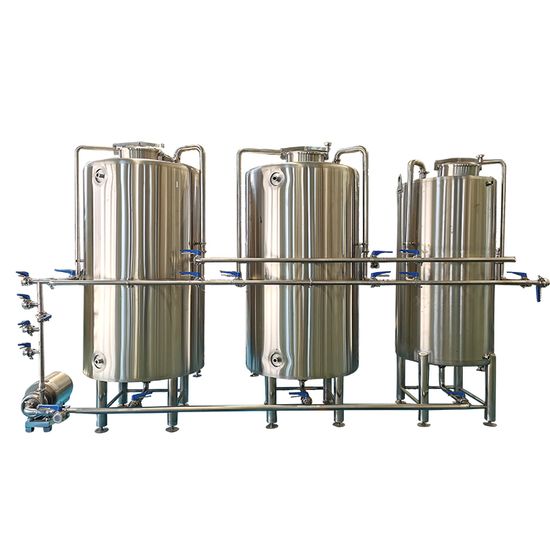
When can a flat-bottom tank be used? How to remedy it?
One-sentence conclusion: flat-bottom tanks are only suitable for low-viscosity, non-batch-switching occasions where a small amount of residue is acceptable; an existing flat-bottom tank can be remedied with a sloped retrofit and a low-position outlet.
Examples of suitable occasions: pure-water tanks, washing-water tanks and non-clean intermediate tanks where residue has controllable impact on the product can use flat bottoms. Remedial measures include: adding a sloped guide plate inside the tank to direct liquid to the outlet side; moving the outlet to the lowest point of the tank; and adding manual or automatic rinsing to flush residue clean after each discharge. It should be noted that these remedies can only improve the draining degree and cannot fully match the draining level of a cone bottom; evaluate the residue risk before choosing.
How to design cleaning and batch switching?
One-sentence conclusion: the key to cleaning design is "spray coverage, full drainage and visibility"; the CIP spray ball position, low-position drain and manhole/sight glass should be planned together.
Four design points. First, install CIP spray balls at the tank top; the number and coverage radius are calculated from the tank diameter and height, generally ensuring full coverage of the wall and bottom slope. Second, set an independent drain at the lowest point of the bottom so that cleaning liquid and rinse water are discharged separately and do not mix with the product outlet to cause residue. Third, provide a manhole, sight glass and cleaning observation port at the top for manual inspection and validation sampling. Fourth, keep pipe runs short and sloped to avoid liquid hold-up after cleaning. For food and pharmaceutical conditions, online conductivity or pH monitoring is recommended as the basis for cleaning acceptance.
How should the inlet and vent coordinate with draining?
One-sentence conclusion: draining is not only about the outlet; the inlet position and tank-top vent design affect the liquid flow direction and the internal pressure, and the three should be considered together.
If the inlet is opened at a high position on the side wall, the incoming liquid flows down the wall and can wash the wall residue toward the discharge side, which, together with the bottom slope, speeds up discharge; a top inlet lets liquid fall into the tank by gravity and suits high-cleanliness conditions. The top vent and breather valve balance the pressure during filling and discharge: during discharge, negative pressure forms inside the tank; without make-up air or a breather valve, the flow slows and the tank may even be collapsed; during filling, the gas inside must escape smoothly or filling is blocked. Generally, an atmospheric tank is fitted with a breather valve or a filtered vent, and a sealed tank with a nitrogen blanketing device; the discharge speed and make-up air capacity should be matched so that the material drains, and drains fast.
The position of the make-up air port also matters: keep it near the top or above the outlet to avoid blowing the liquid surface or bringing in foreign matter; for clean materials, fit a filter on the make-up air line to prevent particles from entering the tank.
How to set drain-related parameters? A common comparison
| Bottom type | General slope/cone angle | Drain capability | Suitable conditions |
|---|---|---|---|
| Cone bottom | Cone angle 60°-90° (60° common) | Excellent, little residue | Frequent batch switching, high cleanliness, viscous material |
| Dished/elliptical bottom | Gentle curvature, small slope | Medium, needs sloped pad | General chemical storage, acceptable residue |
| Flat bottom | No slope | Poor, large residue area | Pure water, low viscosity, non-clean occasions |
One-sentence conclusion: the slope and outlet determine the upper limit of draining, while stirring and cleaning determine the lower limit; at selection, first fix the bottom type by material viscosity and cleanliness, then match the discharge valve, stirring and CIP accessories.
What accessories should also be checked at selection?
One-sentence conclusion: drain design and safety accessories go together; breather valve, nitrogen blanketing, level and temperature instruments should be checked with the medium and the tank pressure rating.
After discharge, negative pressure forms inside the tank; like the reactor, the storage tank needs a breather valve or nitrogen blanketing to prevent collapse, and a flame arrester for flammable media; for temperature-sensitive material, fit a jacket for insulation and trace-heat the discharge line; choose a magnetic flap, radar or weighing level meter and place it away from stirring and rinsing dead zones. Only when the accessories, piping and tank body are configured together can the drain design really pay off in production.
At acceptance, a draining test is recommended: fill with the normal production liquid or a simulation liquid, record the residue after one discharge and the rinsing time, and compare with the expectation at selection; if the residue exceeds the target, first check the bottom slope, outlet position and make-up air capacity, then decide whether to retrofit.
Further reading
- How to Select the Head of a Stainless Steel Storage Tank? Elliptical, Dished, Conical and Flat Bottoms by Medium and Pressure
- How to Size the Capacity and Tank Type of a Stainless Steel Storage Tank? Calculated by Storage Cycle, Turnover and Site
This article is provided by Haolin Shengda Equipment Manufacturing Co., Ltd. (hyline.cn). Main products: stainless steel reactors, mixing tanks, storage tanks, dispersers, concentrators and complete chemical line supporting equipment; non-standard customization supported.
Q&A from this article
Frequently asked questions and answers from this article
How to solve incomplete draining of stainless steel storage tanks? This article explains bottom slope, outlet arrangement and cleaning design to reduce residue between batches.
Related Products
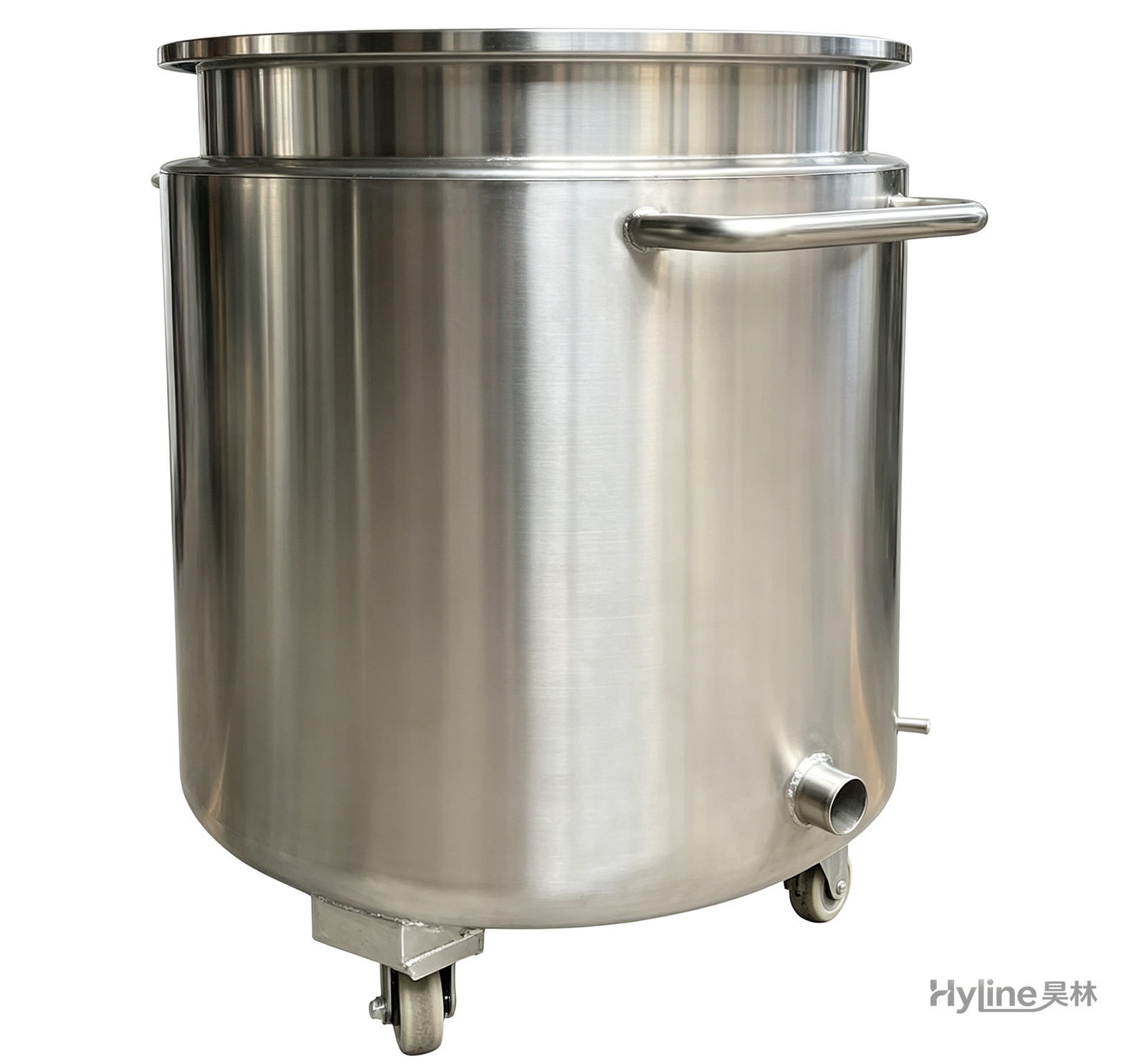
Stainless Steel Mixing Tank (Dispersion Drum)
Supporting vessel for dispersers and mixers in paints, coatings, adhesives, color slurries, inks and electronics. Available in 201/304 stainless with internal/external polishing and sloped bottom side discharge for complete draining.
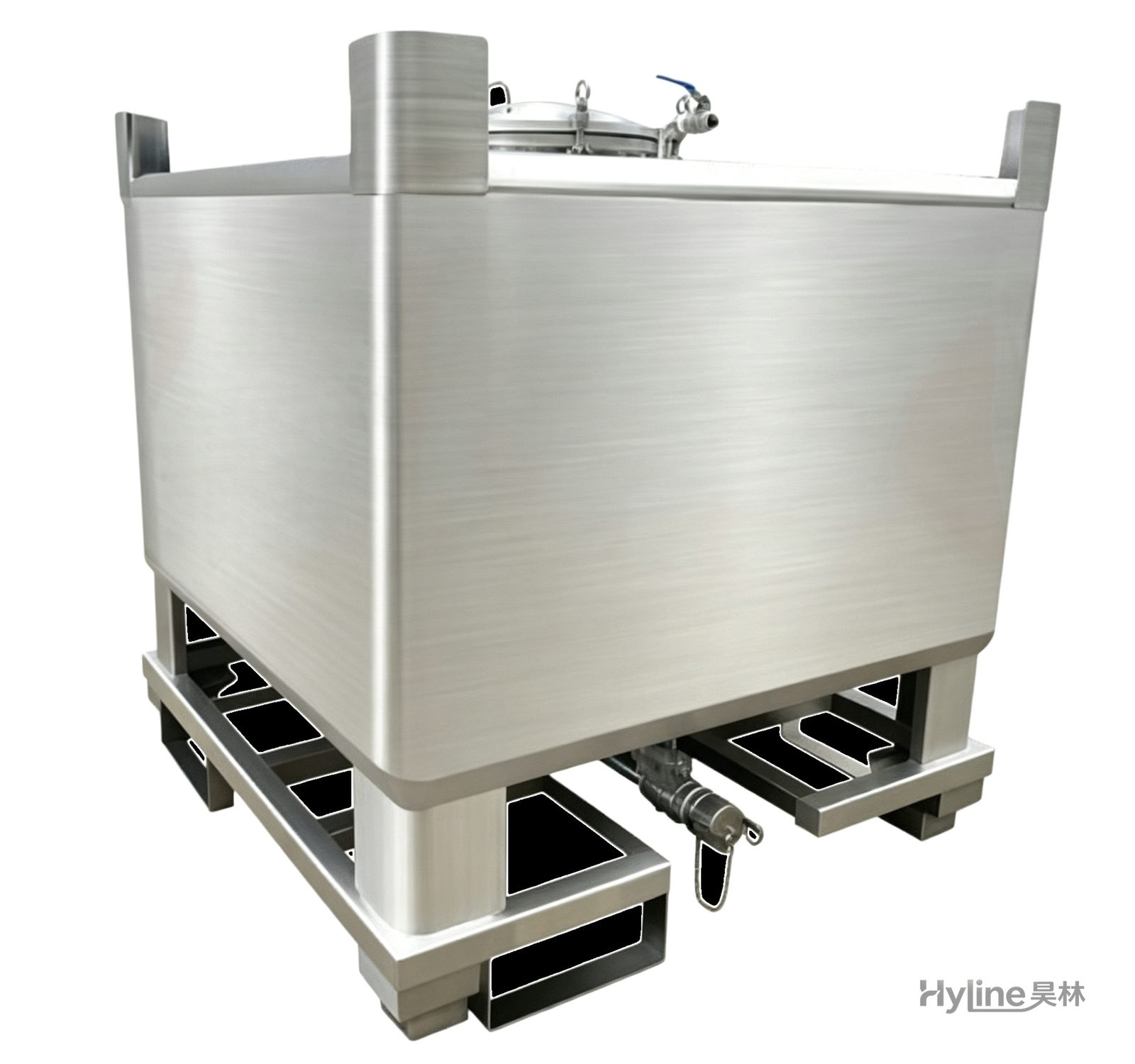
IBC Tank (Intermediate Bulk Container)
HDPE blow-molded liner with hot-dip galvanized steel frame - UV resistant, anti-aging, easy to clean, non-toxic. Four-way fork base for easy handling and stacking; ideal for liquid storage and transport.
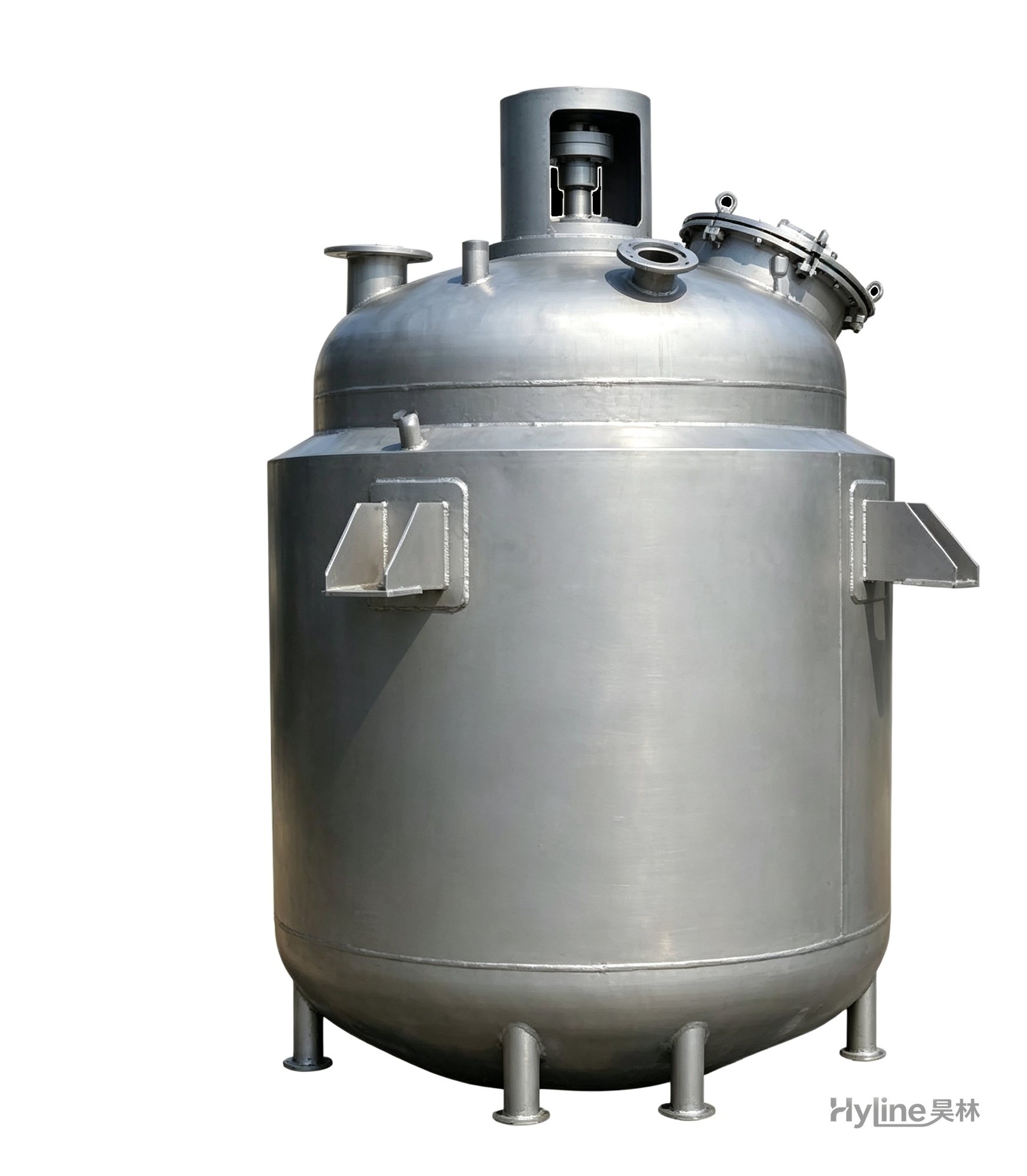
Jacketed Reactor
The typical main reaction vessel in chemical production. Mixing, heating and cooling disperse and mix materials for reaction and polymerization. The jacket circulates thermal oil/steam for heating or cooling water for temperature control.
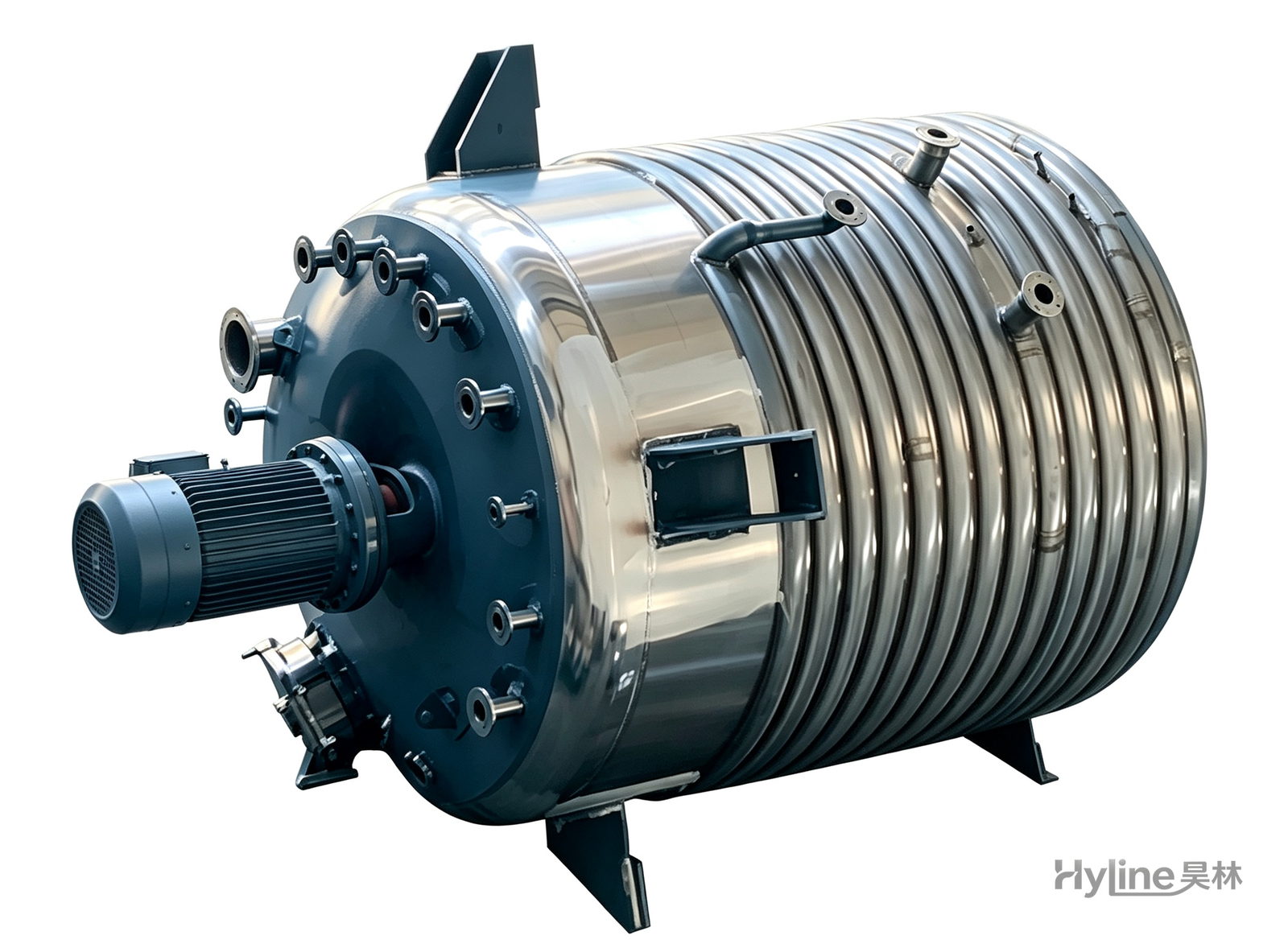
External Half-Coil Reactor
External half-pipe heating & cooling coils provide uniform, efficient heat exchange with zero material dead zones inside. Mirror-polished 304/316L stainless tank is clean and corrosion-resistant. For resin, new-energy slurry and pharmaceutical synthesis.
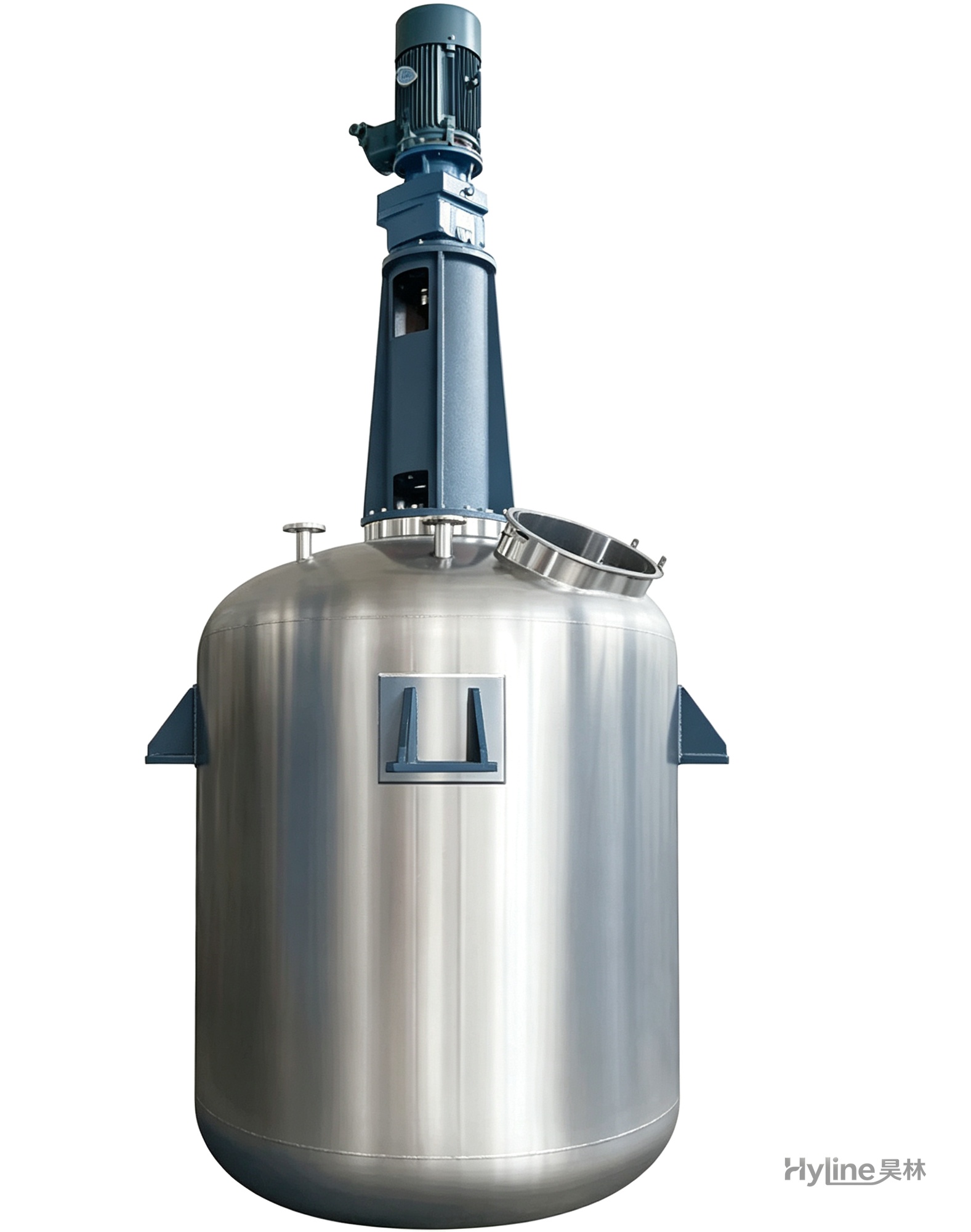
TC Series Mixing Kettle (Tinting)
For color matching in the paint industry and liquid-liquid / liquid-solid mixing in other industries. Uniform tinting, good miscibility, reasonable structure and powerful stirring.
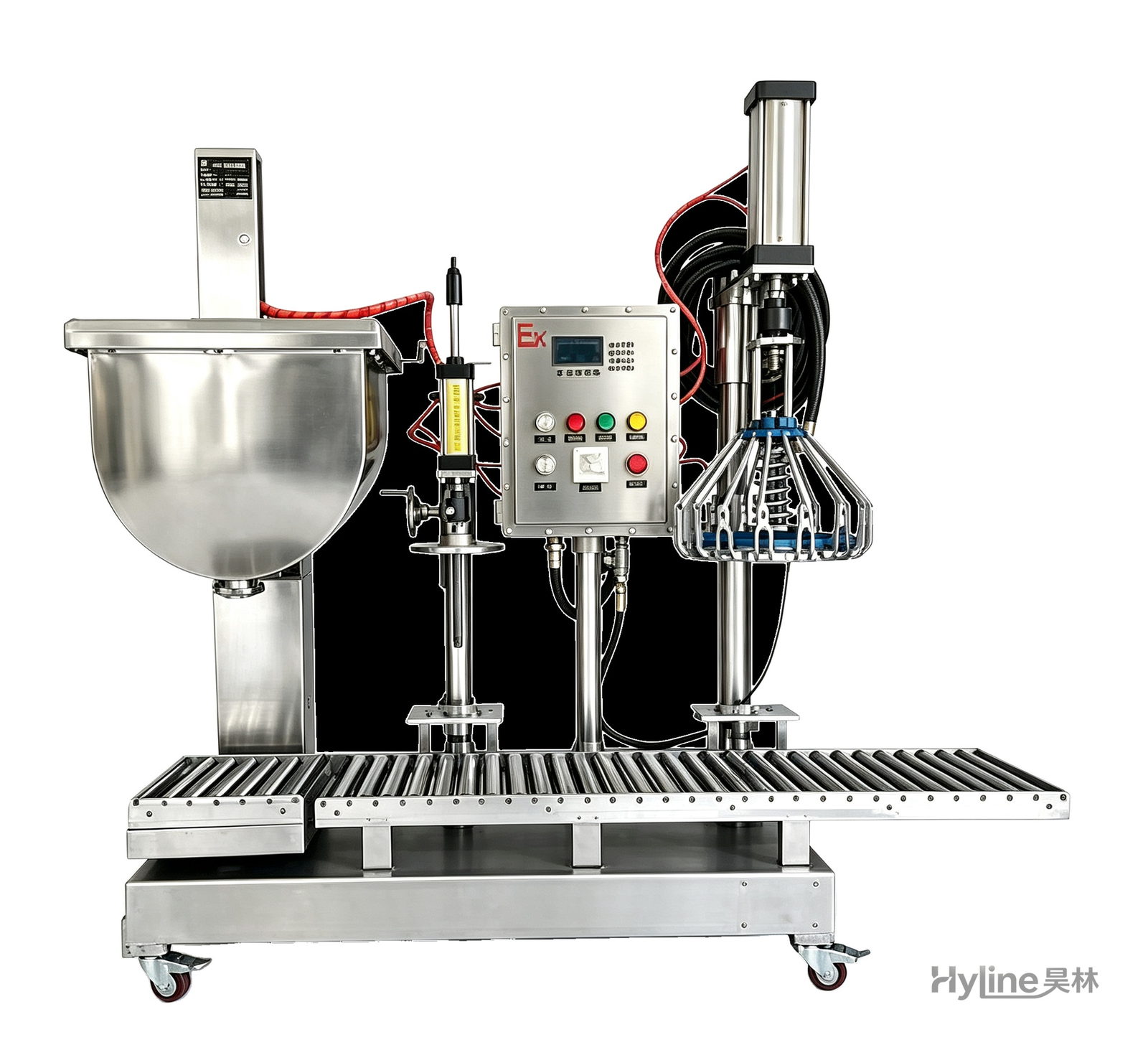
Weighing Semi-Automatic Filling Machine
Designed for frequent packaging changes with dual capping. European weighing technology with Siemens PLC: automatic feed speed adjustment and precision correction, triple protection (emergency stop/power-off/tank removal), explosion-proof fittings.