How to Choose an Outdoor Insulated Storage Tank? Set Wall Insulation, Tracing and Anti-Condensation by Medium Temperature
10/29/2026
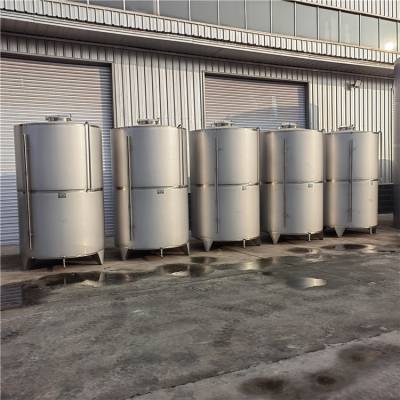
Why Do Storage Tanks Need Insulation and Tracing?
Bottom line: insulation isolates the medium from the surroundings to hold process temperature, cut energy loss and prevent condensation and freezing; tracing actively adds heat when insulation alone is not enough or during shutdown; both are decided together by medium temperature and climate.
Media stored in stainless steel storage tanks fall into three classes: high-temperature liquids needing insulated storage (asphalt, syrup, oils, some resins), liquids that must stay flowable at low temperature (some chemical raw materials, food slurries), and materials prone to condensation and freezing (water systems, water-bearing liquids in winter). Outdoor tanks are directly exposed to temperature swings; poor insulation means high heat loss and energy cost, plus condensation on the inner wall, bacterial growth or frozen fittings. Tracing is the active heat-supplement measure, suited to duty where insulation cannot fully stop heat loss. Selection first distinguishes "insulation-led" vs "tracing-led": large medium-to-ambient temperature difference and long continuous storage — insulation-led; intermittent use requiring fast heating — tracing-led.
What Material and Thickness for the Insulation Layer?
Bottom line: rock wool, glass wool, polyurethane or aluminum silicate are the common choices; thickness generally 50–150 mm by heat-loss target and medium temperature; check thermal conductivity, fire rating and temperature limit first.
Rock wool and glass wool have a thermal conductivity of generally 0.03–0.05 W/(m·K), high temperature rating and good fire performance, commonly used for 80–400°C media; rigid polyurethane foam has lower conductivity (generally 0.02–0.03 W/(m·K)), good insulation at low density, suited to medium/low temperature, but its temperature limit is about 120°C — not for high-temperature media. Aluminum silicate withstands high temperature and is used for high-temperature tanks. Thickness is calculated back from allowable heat loss: generally 50–100 mm for medium-temperature media, 100–150 mm for high temperature or large temperature difference. Outdoor tanks must have a weatherproof cladding (color steel or aluminum sheet) over the insulation, otherwise rain seeps into the insulation, performance drops sharply and the wall corrodes.
| Medium temperature | Common insulation | General thickness | Cladding |
|---|---|---|---|
| Medium/low (≤120°C) | PU, glass wool | 50–100 mm | color steel/aluminum |
| Medium (80–300°C) | rock wool, glass wool | 80–120 mm | color steel/aluminum |
| High (>300°C) | aluminum silicate | 100–150 mm | aluminum/stainless sheet |
How to Choose the Tracing Method? Steam Coil, Electric Tracing and Jacket
Bottom line: continuous heat supply — steam coil or jacket; flexible zone-by-zone control — electric tracing; use steam when steam is available, electric tracing when it is not; decide by medium temperature and workshop conditions.
A steam coil is laid at the tank bottom inside or around the lower wall, passes steam to hold temperature: direct heat transfer, low cost, suitable where the workshop has stable steam; the drawbacks are coarse temperature control and space occupation inside the tank. Jacket tracing feeds the heating medium into the tank wall jacket: uniform heat transfer and no internal space taken, the same structure used for stainless steel reactors jackets, higher tank cost, generally combined with agitation for liquids needing uniform heating. Electric tracing wraps heating cable around the wall, with independent temperature control per zone, suitable where there is no steam, where precise medium temperature is required, or for local tracing (tank bottom, valves, piping); general power is 15–30 W/m, total power calculated from heat loss. Outdoor electric tracing needs a temperature controller and leakage protection; in winter, anti-freeze tracing is prioritized at the bottom and pipe connections.
How to Handle Anti-Condensation and Freeze Protection for Outdoor Tanks?
Bottom line: anti-condensation means keeping the wall temperature above the dew point with "insulation + tracing"; freeze protection means bottom tracing and low-level heating; in northern winters the tank bottom, pipe connections and level gauge are the weakest points.
When wall temperature falls below the dew point, condensation forms; condensate runs down the wall, contaminates the cladding and accelerates corrosion, and for food tanks it is a hygiene risk. The approach: make the insulation sufficient and, when necessary, add tracing on the outside wall to hold the surface temperature above the dew point. Freeze protection targets winter ice: water-bearing liquids freeze at the bottom first on shutdown, so add bottom tracing tape or coils; narrow items such as the level gauge, drain pipe and breather valve freeze most easily and generally get tracing plus insulation. Check tracing status before feeding in cold weather to prevent thermal stress from cold incoming material. Give the supplier the local minimum temperature and the medium freezing point; anti-condensation/freeze configuration is designed to the worst-case winter condition.
How to Configure the Cladding and Accessories?
Bottom line: cladding is formed color steel or aluminum sheet with lapped weatherproofing; accessories follow the medium and safety — breather valve, level gauge, thermometer and maintenance manway; insulation must not block access to accessories.
The cladding of an outdoor tank handles rain and moisture: color steel is economical, aluminum is weather-resistant, stainless steel sheet is for high-cleanliness duty; a vapor barrier (aluminum foil or waterproof membrane) sits between cladding and insulation to stop moisture ingress. Accessories follow the medium: volatile media get a breather valve and flame arrester; the level gauge needs freeze tracing; thermometer insertion length matches insulation thickness; the bottom drain keeps maintenance space. Leave access openings in the insulation coverage so accessories can be serviced with local removal, avoiding damage to the whole tank insulation. Integrate the roof platform and ladder with the cladding so inspectors do not damage insulation when entering.
How to Build the Selection Checklist?
Bottom line: four steps by medium temperature, storage mode, climate and heat-supply condition: set insulation material and thickness first, then tracing method and power, then cladding and accessories, and finally put insulation and tracing into the tank technical agreement.
Step 1: medium temperature and allowable heat loss decide insulation material and thickness. Step 2: continuous/intermittent use and steam availability decide the tracing method, with power calculated from heat loss. Step 3: local minimum temperature and medium freezing point decide anti-condensation/freeze configuration, plus breather valve, level gauge and other accessories by medium characteristics. Step 4: confirm cladding material, vapor barrier and access-opening design, written into the technical agreement. Give the supplier four parameters — medium temperature, storage duration, local climate and heat-supply condition — so insulation, tracing and accessories are matched to the same duty and acceptance has a basis.
| Selection step | Key parameters | General value/practice |
|---|---|---|
| Insulation | medium temperature, allowable heat loss | rock wool/PU, 50–150 mm |
| Tracing | steam availability, medium temperature | steam coil / electric 15–30 W/m |
| Anti-condensation/freeze | minimum temperature, freezing point | bottom tracing + accessory insulation |
| Cladding | environment, cleanliness | color steel/aluminum + vapor barrier |
| Accessories | medium characteristics | breather valve / level gauge / access opening |
How to Estimate the Heat Loss of an Insulated Storage Tank?
Bottom line: heat loss is estimated from tank surface area, insulation conductivity and the medium-ambient temperature difference; tracing power is set by heat loss plus margin, and poor insulation doubles the loss.
Hourly heat loss ≈ tank surface area × temperature difference ÷ (insulation thickness ÷ thermal conductivity); engineering practice uses steady-state estimation. The calculated heat loss is the power the tracing must supplement: electric tracing is laid at 15–30 W/m with total power counted by wall circumference and height; steam coils are sized by steam flow and heat-transfer area. Wet or damaged insulation raises conductivity and visibly increases loss — most obvious in winter energy cost. Give the supplier the allowable temperature drop (e.g. no more than 3–5°C over 24 hours) and the supplier calculates insulation thickness and tracing power back from tank capacity and surface area; acceptance verifies the temperature drop by measurement.
What Are the Common Problems and Maintenance of Insulated Tanks?
Bottom line: the common issues are moisture ingress, damage and tracing failure; maintenance follows four steps — check cladding, check vapor barrier, check tracing, check accessory insulation — with scheduled patrol and records.
Damaged or loosely lapped cladding lets rain into the insulation, raising conductivity and corroding the wall; patrol after rain focuses on cladding leaks. Aged vapor barrier admits moisture, keeping the insulation wet — replace both together. Tracing failure (controller fault, cable break, stuck steam valve) shows as abnormal tank temperature; patrol by temperature in winter. Accessory insulation (level gauge, valves, connections) is the most easily overlooked — freeze blockage starts there. Keep per-tank maintenance records with insulation thickness, tracing power and inspection dates, forming a complete status record within two years.
How to Configure Tank Accessories?
Bottom line: configure accessories by medium: volatile media get a breather valve and flame arrester, level gauges get freeze protection tracing, thermometer length matches insulation thickness, and bottom discharge keeps maintenance space.
Volatile or flammable media get a breather valve and flame arrester on the roof; level gauge and pressure gauge need freeze protection in winter, with tracing and insulation; thermometer insertion depth must match insulation thickness and not be shorter; keep maintenance space around the bottom discharge valve and drain, and open inspection ports in the insulation at accessory areas so local access does not require breaking the whole insulation. Design platforms and ladders together with the cladding so personnel do not damage insulation when entering. Put these accessory requirements into the technical agreement so installation is right the first time.
Summary
Selection of an outdoor insulated storage tank can follow four steps: set insulation material and thickness by medium temperature first, then steam coil or electric tracing by heat-supply condition, then anti-condensation/freeze and accessories by local climate, and finally put cladding and access openings into the technical agreement. Give the supplier four parameters — medium temperature, storage duration, minimum temperature and steam availability — so insulation, tracing and accessories are matched to the same duty and there is no freeze-blockage or condensation rework in winter. Our stainless steel storage tanks and insulated storage tanks support integrated configuration of insulation, steam coils, electric tracing and non-standard customization; selection for chemical and food storage is welcome for discussion.
Related articles: - How to choose a stainless steel storage tank by medium? - How to configure jacket insulation for a reactor?
This article is prepared by Hyline Stenda Equipment Manufacturing Co., Ltd. (hyline.cn). Main products include stainless steel reactors, mixing tanks, storage tanks, dispersers, concentrators and complete chemical lines; non-standard customization is supported.
Q&A from this article
Frequently asked questions and answers from this article
Bottom line: four steps by medium temperature, storage mode, climate and heat-supply condi…
Related Products
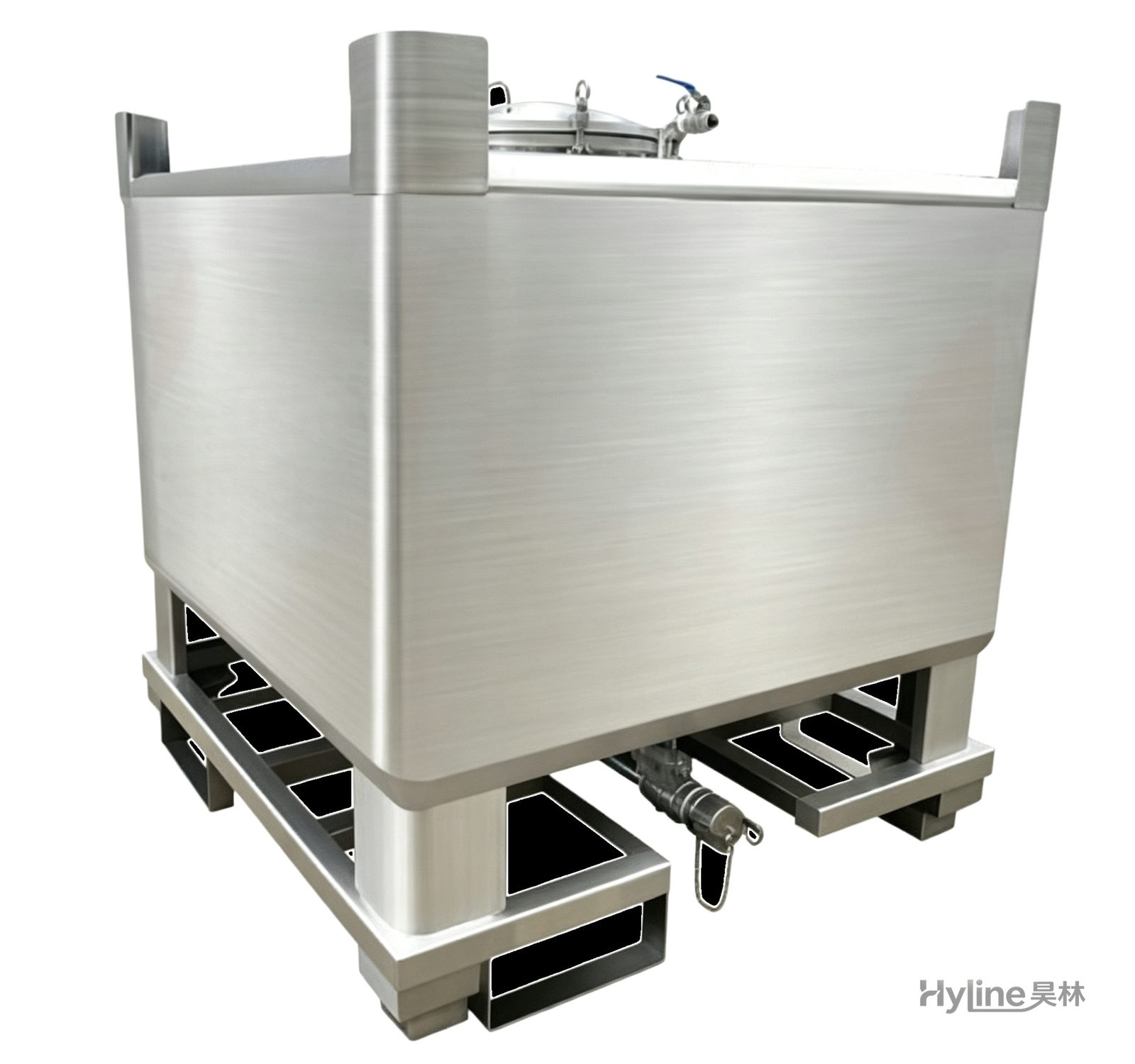
IBC Tank (Intermediate Bulk Container)
HDPE blow-molded liner with hot-dip galvanized steel frame - UV resistant, anti-aging, easy to clean, non-toxic. Four-way fork base for easy handling and stacking; ideal for liquid storage and transport.
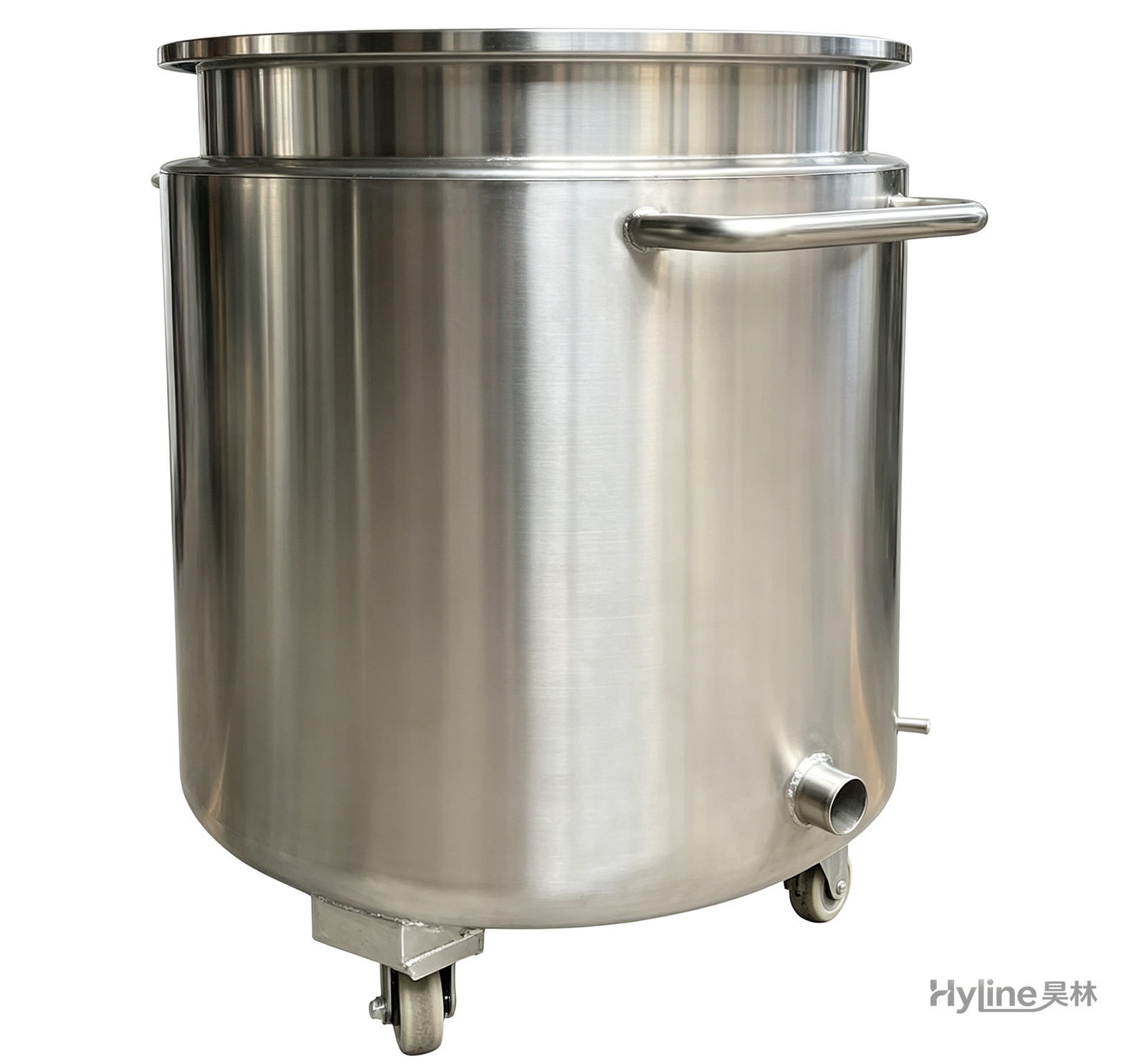
Stainless Steel Mixing Tank (Dispersion Drum)
Supporting vessel for dispersers and mixers in paints, coatings, adhesives, color slurries, inks and electronics. Available in 201/304 stainless with internal/external polishing and sloped bottom side discharge for complete draining.
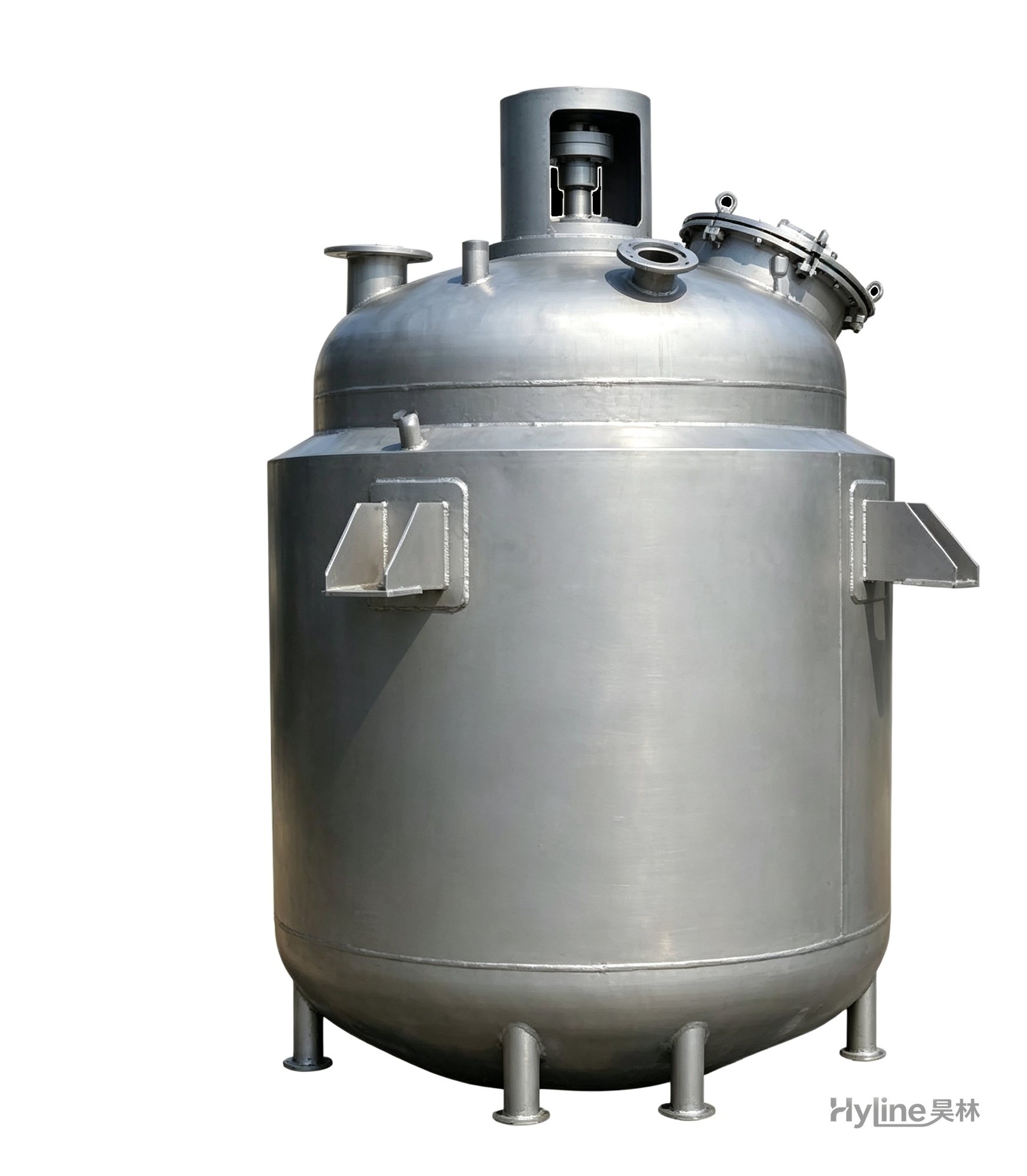
Jacketed Reactor
The typical main reaction vessel in chemical production. Mixing, heating and cooling disperse and mix materials for reaction and polymerization. The jacket circulates thermal oil/steam for heating or cooling water for temperature control.
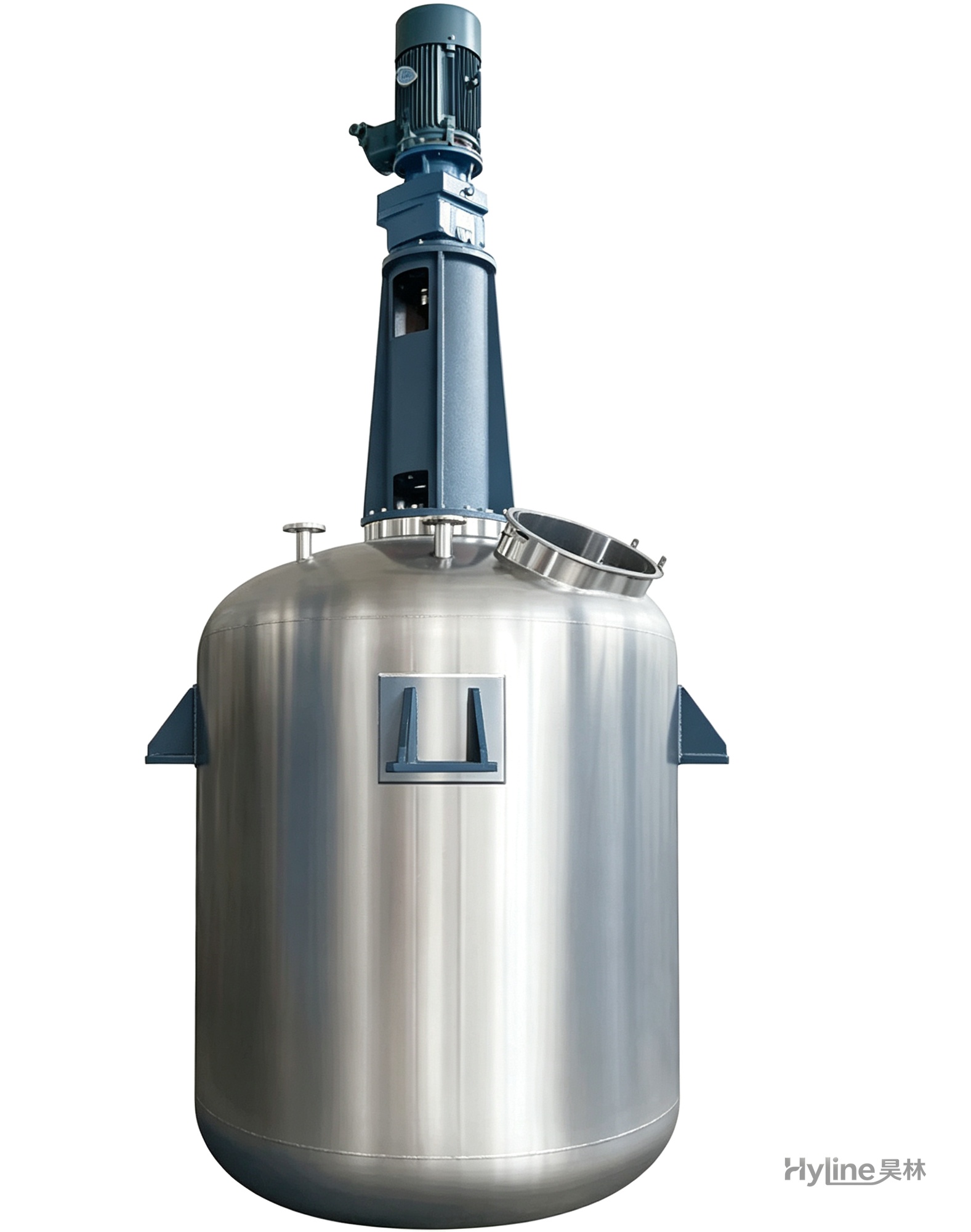
TC Series Mixing Kettle (Tinting)
For color matching in the paint industry and liquid-liquid / liquid-solid mixing in other industries. Uniform tinting, good miscibility, reasonable structure and powerful stirring.