
How to match the inner floating roof of stainless steel storage tanks? Key points for coordination between applicable media, floating disc structure, and breathing valve
11/12/2026
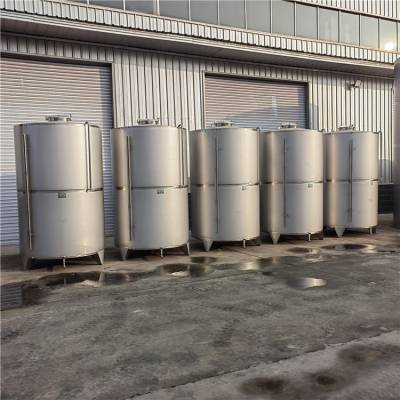
Storage tanks are responsible for the storage, turnover, and buffering of solvents and liquid raw materials. Once the tank capacity and type are determined, how to handle the gas phase space inside the tank is often the most easily overlooked item on the procurement list. Stainless steel storage tanks for storing volatile liquids such as methanol, toluene, xylene, and solvent oil( https://hyline.cn/zh/products#cat -aux), If the ordinary fixed top structure is used, there will always be a gas phase space filled with volatile vapor above the liquid level in the tank. The temperature difference between day and night, as well as the inflow and outflow of materials, will cause this vapor to be discharged out of the tank through the breathing valve, resulting in accumulated losses and accompanied by discharge and safety pressure. The internal floating roof is a structural solution for this type of working condition: adding a floating disc above the liquid level in the tank that rises and falls with the liquid level to minimize the pressure in the gas phase space. This article explains the configuration logic of the inner floating roof in four lines: applicable medium, floating disc structure, sealing type, and matching with the breathing valve, for the purchaser to compare and self check during the selection stage.
What problem does the inner floating roof solve?
One sentence conclusion: The inner floating roof covers the liquid surface with a floating disc, which simultaneously compresses the evaporation loss and explosive mixture inside the tank. In a fixed top tank, the volume of gas phase space above the liquid level usually accounts for more than 10% of the tank capacity. During the day, when the temperature rises, some of the vapor in the tank expands and is discharged. At night, when the temperature drops, fresh air is inhaled. During repeated breathing, the solvent continuously evaporates and is discharged, and the loss is particularly significant in summer.
After installing the inner floating roof, the floating disc floats on the liquid level and rises and falls with the liquid level, leaving only a very thin gas phase layer between the liquid level and the tank top. The evaporation surface is covered by a floating disc, and the solvent lacks a channel for diffusion into the gas phase, resulting in a significant decrease in the amplitude of the breathing valve action. For buyers, this account is not difficult to calculate: a decrease in losses means a decrease in raw material costs, a reduction in gas phase space means that the concentration of combustible mixture in the tank is more difficult to reach the explosion range, and the safety margin is also increased.
What medium is worth equipping with an inner floating roof?
Internal floating roof is not a standard configuration for all storage tanks. Whether it is worth equipping depends mainly on the volatility, flash point, and storage period of the medium. The criteria for judgment can be summarized into three questions: whether the flash point is lower than the temperature that the storage environment may reach, whether the evaporation loss constitutes a significant cost, and whether the medium is sensitive to water vapor or oxidation. If one or more of them are met, it is worth including the inner floating roof in the plan.
|Type of medium | Typical examples | Is it recommended to have an inner floating roof? | Main reasons||---|---|---|---||Volatile organic solvents | Methanol, toluene, xylene, ethyl acetate | Recommended configuration | High vapor pressure, large fixed top breathing loss, concentrated safety risks||Solvent oil and fuel class | Solvent oil and diesel blending components | Depending on storage period | Long term storage loss is considerable, fast turnover can simplify configuration||High viscosity or easily solidified materials | Asphalt, molasses, Vaseline type | Not recommended | Materials will condense under the floating disc, making sealing and cleaning of the floating disc difficult||Solid suspension | Crystalline liquid, slurry | Not recommended | Solid particles entering the gap between the seal and the float, high risk of jamming|
On the other hand, for food grade materials, room temperature aqueous liquids, and high viscosity materials, the loss caused by the gas phase space inside the tank is limited. Equipping an internal floating roof will only increase the difficulty and cost of cleaning. When selecting, first classify according to the medium, and then decide on the top structure of the tank. This order cannot be reversed. Small batches of solvent turnover do not need to be stored in tanks, and can be used in fields ranging from a few hundred liters to one or two cubic meters [IBC ton drums]( https://hyline.cn/zh/products/ibc-tank )More flexible turnover, the solution of tank+inner floating roof is reserved for long-term storage of over a thousand upgrades.
How to choose between floating disc and sealing?
One sentence conclusion: The floating disc is made of materials and divided into compartments according to the medium and tank diameter, and the sealing is standardized according to volatility and toxicity. There are two common material routes for floating disks: aluminum alloy floating disks are lightweight, have a full range of molding specifications, and are suitable for most solvent tanks; Stainless steel floating discs have high strength and good corrosion resistance, making them suitable for occasions with high cleanliness requirements or corrosive media. Small tanks with a diameter of less than two meters can use integral floating discs, while tanks with a diameter of four meters or more are recommended to have a compartmentalized structure. Leakage from a single floating compartment does not affect the overall buoyancy.
Sealing is a key component for the effectiveness of the internal floating roof. There is a circular gap between the outer edge of the floating disc and the tank wall, and the seal is used to seal this gap. The elastic packing type seal relies on the elastic filling material inside the sealing bag to adhere to the tank wall, with a simple structure and adaptability to local deformation of the tank wall. It is the most commonly used type of solvent tank; Tongue shaped seals rely on rubber membrane plates to adhere to the tank wall, providing greater adhesion pressure and better volatilization suppression. They are often combined with elastic seals to form a double seal for highly volatile or toxic media.
When selecting a seal, the permeability and temperature range of the medium should be checked by the equipment factory: aromatic hydrocarbon solvents have strong swelling properties for ordinary rubber, and the sealing bag material should be replaced with solvent resistant fluororubber or perfluoroether materials. If this is missed, the sealing life will be reduced from annual to monthly. The polishing quality of the inner surface of the tank wall also directly affects the sealing and bonding effect. The uneven polishing of the inner wall welds will significantly accelerate the wear of the sealing components.
What structures need to be synchronized with the tank body?
The inner floating roof is not a single floating disc, it affects several structures of the tank body, and needs to be confirmed item by item before ordering. The first is anti rotation guidance: the floating disc cannot rotate along with the liquid level when it rises and falls. A guide rod should be installed on the top of the tank or a guide track should be installed on the tank wall, otherwise the floating disc will get stuck or the seal will wear out, which will come knocking on the door. The second is electrostatic conductivity: a soft copper wire should be used to bridge between the floating disc and the tank top, and the tank body should be grounded as a whole to prevent the accumulation of electrostatic potential difference between the floating disc and the tank wall. This is a necessary inspection point for safety acceptance.
The third is the ventilation arrangement: although the gas phase layer above the floating disc is thin, temperature changes can still cause trace respiration. The ventilation holes on the top of the tank should be retained, and the floating disc itself should also be equipped with an automatic ventilation valve to prevent negative pressure from forming below the floating disc and causing deformation of the disc surface when discharging too quickly. The fourth is compatibility with the liquid level gauge: the antenna beam of the radar liquid level gauge should avoid the range of motion of the floating disc, and the length of the connecting rod of the magnetic flap liquid level gauge should be checked according to the floating disc stroke. These two points are not checked in advance, and it is not uncommon to find that the liquid level cannot be measured after the instrument is installed.
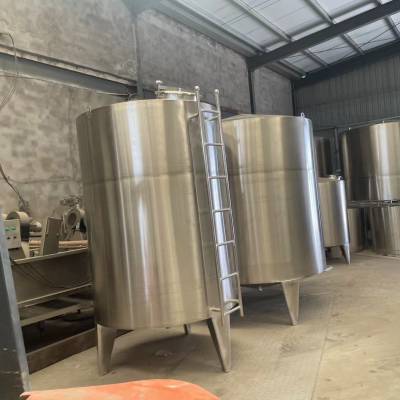
The fifth is the maintenance channel: manholes and inspection ports should be left above the floating disc, and the load-bearing capacity of the tank top platform and ladder should be calculated according to the working conditions of the maintenance personnel carrying tools. These structural orders are not complicated at all, and if any item is missed, the cost of on-site renovation is much higher than the price difference of one full order.
How to coordinate the breathing valve and inner floating roof?
One sentence conclusion: With the installation of an internal floating roof, the specifications of the breathing valve are determined based on a much smaller breathing volume, but flame arresters and emergency pressure relief cannot be omitted. The flow rate of the breathing valve in the fixed top tank is calculated based on the maximum flow rate of the incoming and outgoing materials plus the amount of gas expansion. In the inner floating top tank, due to the gas phase space only having a thin layer above the floating plate, the breathing rate under normal operating conditions decreases significantly, and the diameter of the breathing valve can be correspondingly reduced. The constant pressure also needs to be rechecked.
But there are three things that cannot be simplified just because an inner floating roof is installed. Firstly, the breathing valve and flame arrester must still be equipped, and the trace breathing above the floating disc still needs to go through the breathing valve. The flame arrester's anti backfire function is not related to the floating disc. Secondly, the emergency pressure relief device should be determined based on the capacity of the tank to withstand negative pressure. In case the floating disc accidentally gets stuck at a low position and the material is quickly discharged, the negative pressure protection at the top of the tank still relies on the vacuum pressure relief valve for bottom protection. Thirdly, the nitrogen sealing system can coexist with the inner floating roof. For oxygen sensitive media, after the floating disk compresses the gas phase space, the nitrogen consumption of the nitrogen seal decreases. The combination of the two structures is a common practice.
The most convenient way to avoid rework in the later stage is to submit the parameters of the breathing valve, emergency relief and nitrogen seal, and float stroke to the equipment factory for overall calculation. The interface orientation of the tank top accessories should also be arranged in one go on the drawing, and the distance between the vent hole, breathing valve, level gauge, and maintenance port should be reserved according to the maintenance space.
Are these parameters clearly defined before procurement?
The quality of the quotation for internal floating roof storage tanks depends on the completeness of the parameters on the procurement list. The following list can be directly compared and filled in: medium name and flash point, normal and maximum storage temperature, tank capacity and diameter to tank ratio, inlet and outlet diameter and maximum flow rate, floating disc material preference, sealing type and sealing bag material requirements, liquid level gauge type, local management requirements for volatile organic compound emissions.
The material routes for the floating disc and seal are determined by the medium and temperature, the tank diameter determines the way the floating disc is divided into compartments, the inlet and outlet flow rate determines the diameter of the breathing valve, and the emission management requirements determine whether to install double seals. The more complete the parameters are given, the less structural differences there will be in the quotation, and the less room for later disputes. For uncertain projects, it is better to ask one more question than leave blank space for suppliers to make their own assumptions. If a temperature upper limit is wrong, the sealing material may be another route.
How to accurately configure the internal floating roof?
The configuration of the inner floating roof is a systematic engineering that involves the interconnection of the medium, structure, and safety accessories: the medium is determined by the sealing material, the tank diameter is determined by the floating disc compartment, the breathing volume is determined by the valve diameter, and the maintenance requirements are determined by the tank top opening. Haolin Shengda Equipment Manufacturing Co., Ltd. (HYLINE. cn) has accumulated years of customization experience in stainless steel storage tanks and non-standard tank structures: floating discs and seals are selected according to the medium, static conductivity and ventilation arrangements are pre controlled according to safety regulations, and tank top accessories and level gauges are arranged in one go during the drawing stage. Please send us the name, flash point, and daily feeding and discharging rhythm of the storage medium, and we will provide you with the complete calculation of the internal floating roof scheme along with the tank scheme.
Extended reading:-How to match the safety accessories of stainless steel storage tanks? The breathing valve, flame arrester, and nitrogen seal are determined by the medium( https://hyline.cn/zh/technology/storage-tank-safety-accessories-configuration-guide )-How to choose stainless steel storage tanks according to storage media? Tank types and accessories for corrosive, flammable, and food grade media( https://hyline.cn/zh/technology/storage-tank-selection-by-medium )
This article is compiled by Haolin Shengda Equipment Manufacturing Co., Ltd. (HYLINE. cn)
Q&A from this article
Frequently asked questions and answers from this article
Should stainless steel storage tanks storing volatile solvents be equipped with internal floating roofs? This article explains the applicable media, floating disc structure, and sealing selection to help buyers determine the configuration accurately.
Related Products
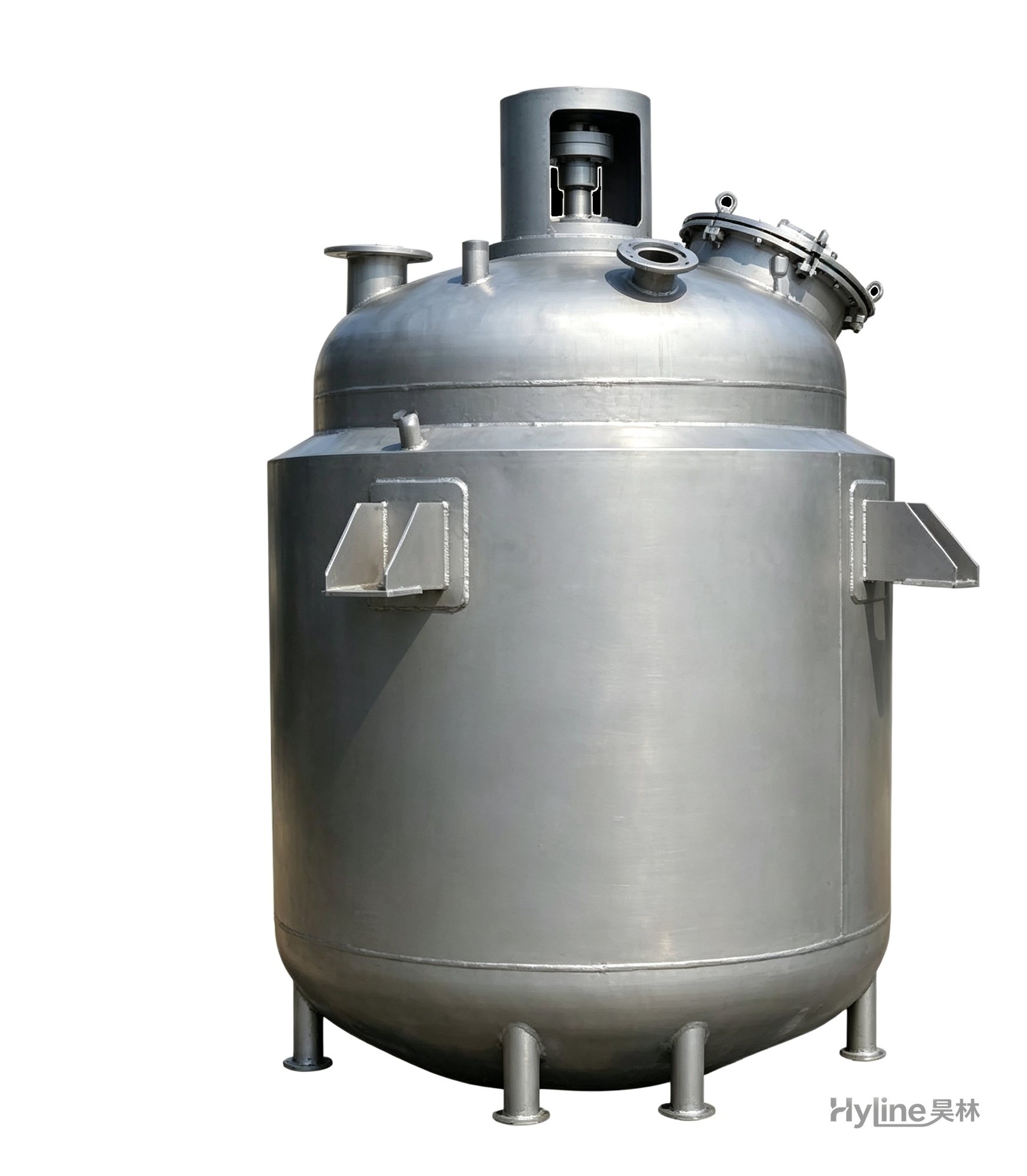
Jacketed Reactor
The typical main reaction vessel in chemical production. Mixing, heating and cooling disperse and mix materials for reaction and polymerization. The jacket circulates thermal oil/steam for heating or cooling water for temperature control.
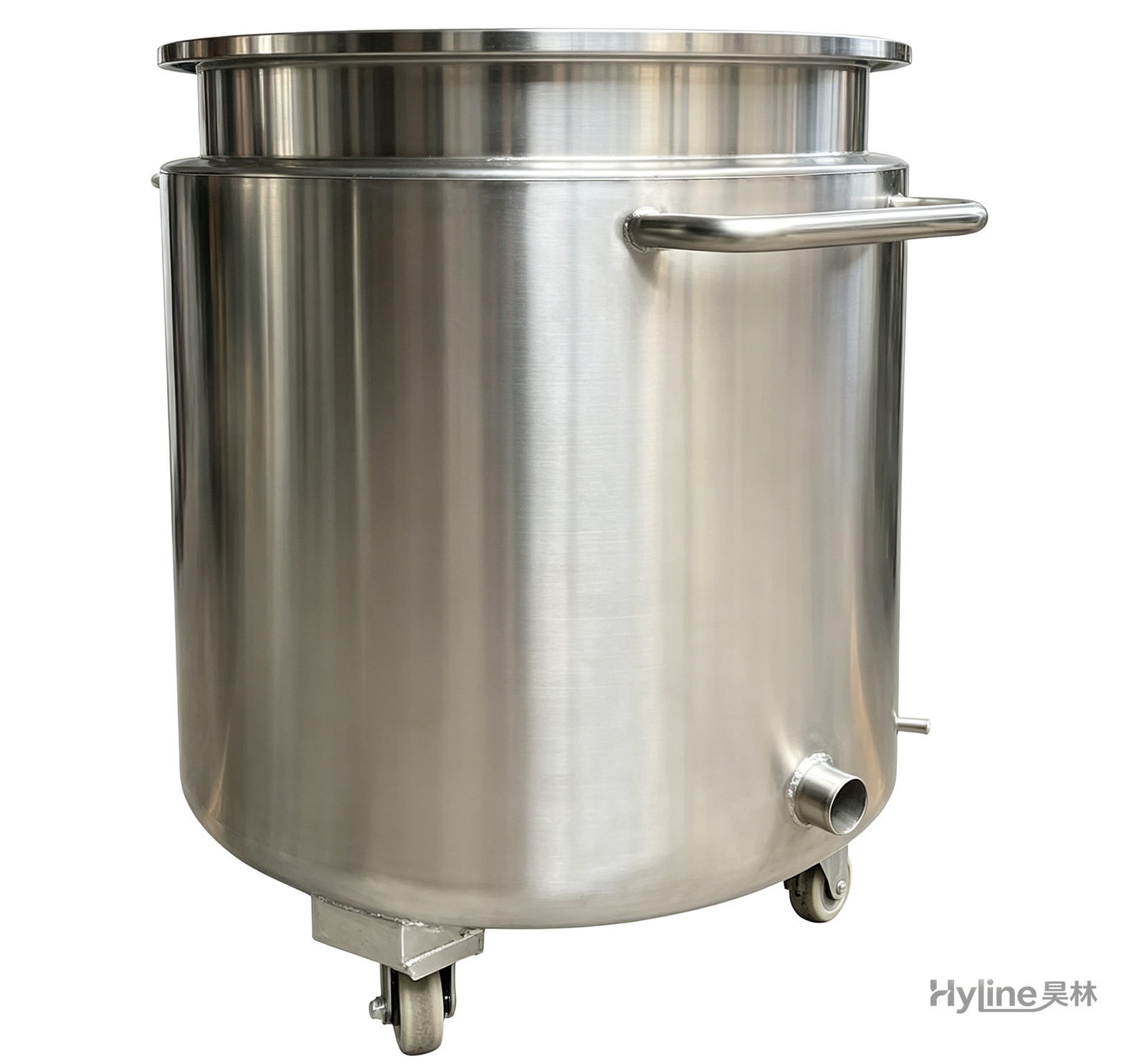
Stainless Steel Mixing Tank (Dispersion Drum)
Supporting vessel for dispersers and mixers in paints, coatings, adhesives, color slurries, inks and electronics. Available in 201/304 stainless with internal/external polishing and sloped bottom side discharge for complete draining.
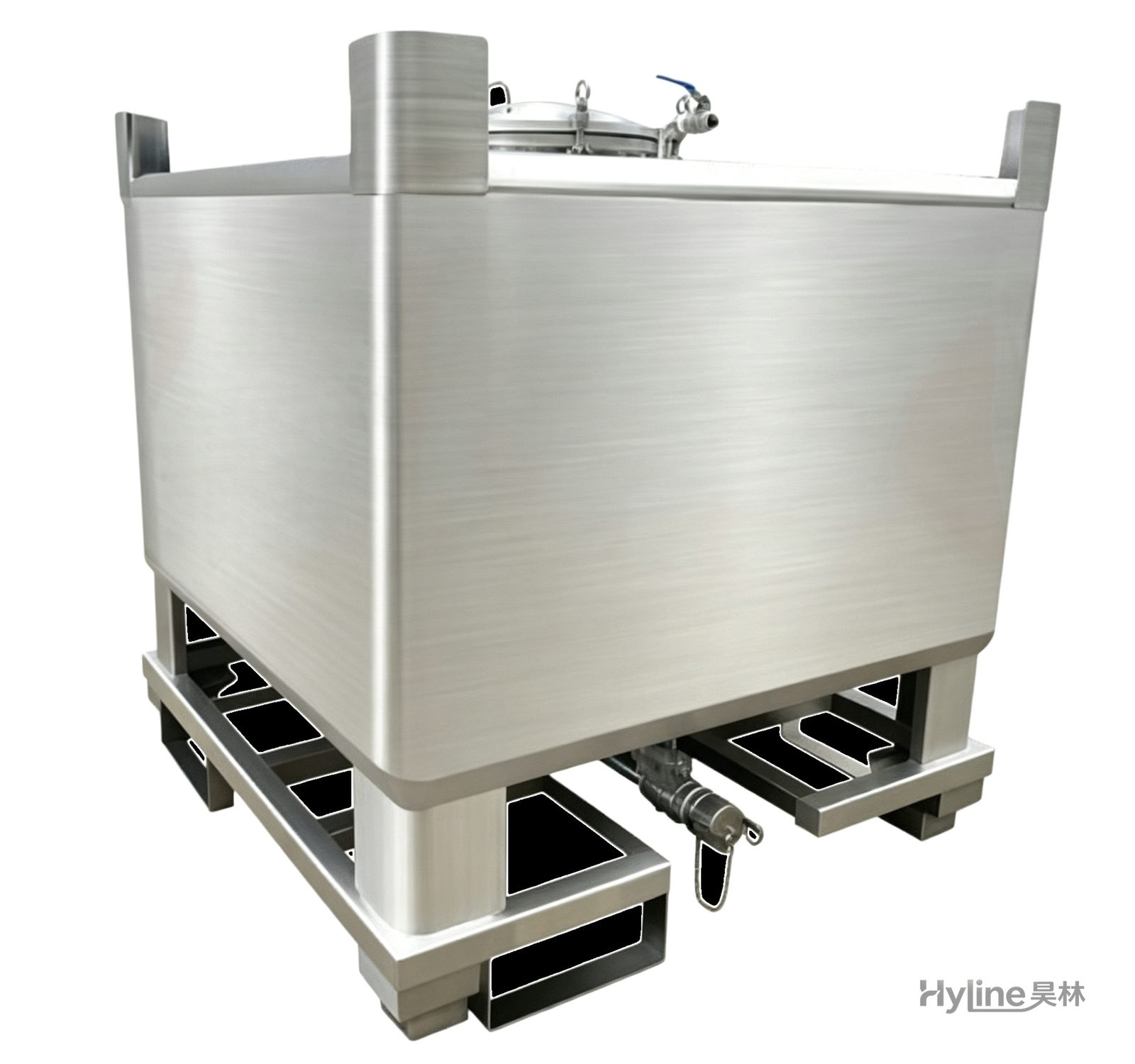
IBC Tank (Intermediate Bulk Container)
HDPE blow-molded liner with hot-dip galvanized steel frame - UV resistant, anti-aging, easy to clean, non-toxic. Four-way fork base for easy handling and stacking; ideal for liquid storage and transport.
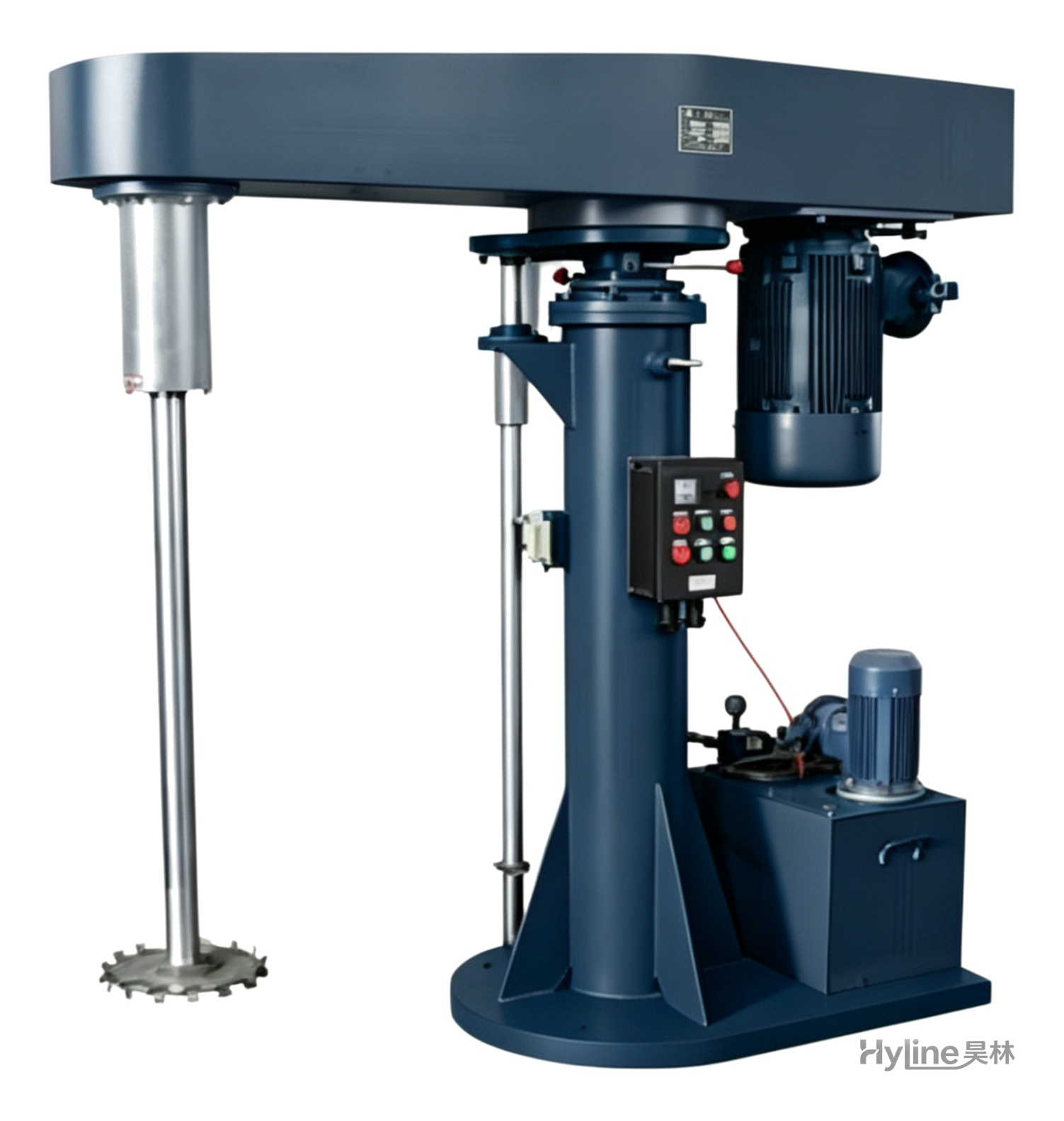
FL Series High-Speed Disperser
Stirs, dissolves and disperses liquids and powders, working alone or matched with sand mills. Variable-frequency drive with hydraulic lift, widely used in paints, inks, coatings, dyestuffs and papermaking.