
How to Configure the Safety Accessories of a Stainless Steel Storage Tank? Breather Valve, Flame Arrester and Nitrogen Sealing by Medium
10/16/2026
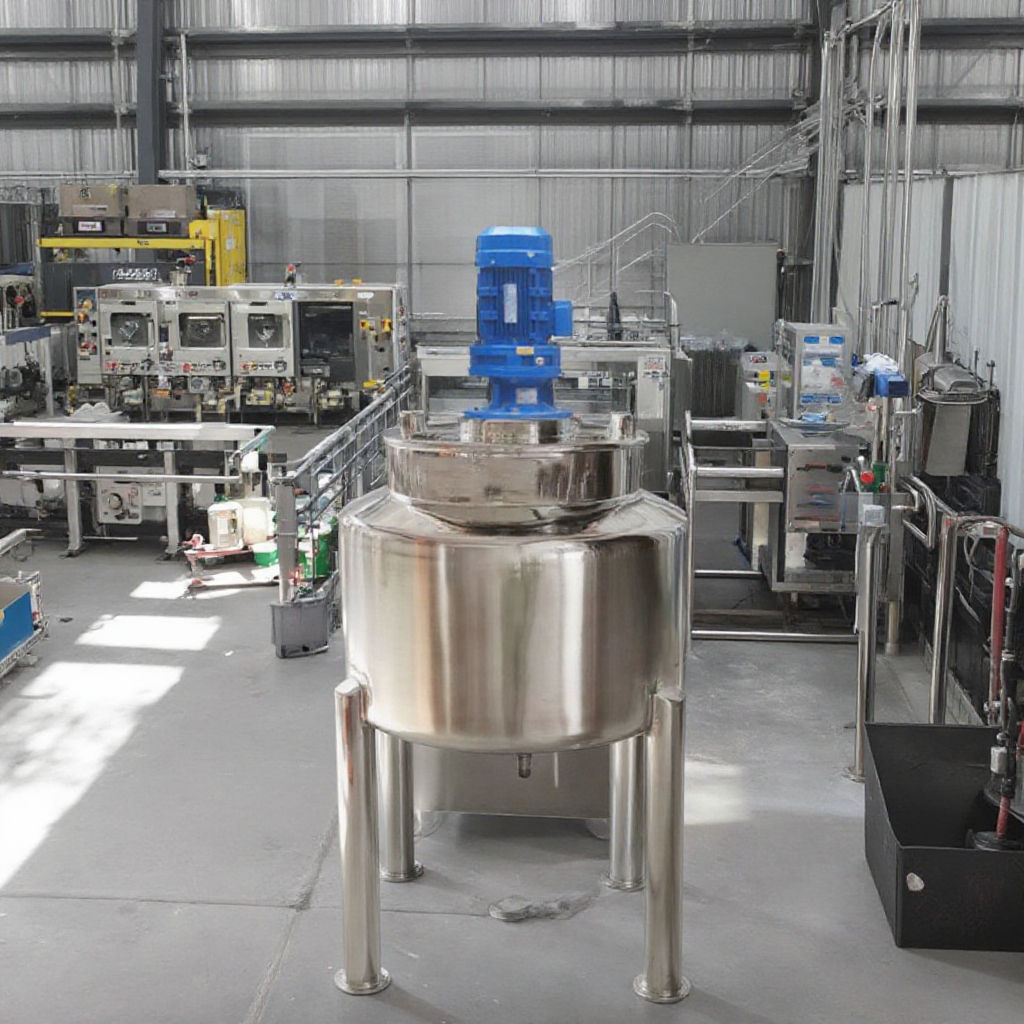
A stainless steel storage tank is common equipment for storing liquid raw materials and finished products in chemical, food, pharmaceutical and new-energy industries, used for solvents, acid-alkali solutions, oil products and slurries. The safety accessories of a storage tank decide whether the tank can operate safely: the breather valve protects the tank from positive and negative pressure damage, the flame arrester cuts off flame flashback, nitrogen sealing isolates air to prevent oxidation and explosion, and level control and overfill prevention stop tank overflow. In procurement, safety accessories are configured by medium properties and the tank pressure rating. This article explains the configuration logic for three typical conditions: atmospheric tanks, flammable and volatile media, and food-grade media.
What Do the Safety Accessories of a Storage Tank Include?
Short answer: the safety accessories mainly include five types — breather valve, flame arrester, nitrogen sealing system, level gauge and overfill prevention device, selected by medium and working conditions; the breather valve is the most basic for atmospheric tanks.
The breather valve regulates positive and negative pressure in the tank, exhaling when pressure rises and inhaling when it drops; the flame arrester is installed between the breather valve and the tank or on the piping to stop external flame from flashing back along the line; the nitrogen sealing system supplies nitrogen to maintain an inert atmosphere; the level gauge and overfill prevention monitor the level to prevent overfilling. Generally an atmospheric tank is equipped with at least a breather valve; for flammable and volatile media, add a flame arrester and nitrogen sealing; the specific combination is decided by medium flash point, volatility and storage conditions.
When Must a Breather Valve Be Installed?
Short answer: atmospheric and low-pressure tanks generally need a breather valve, especially for volatile media, to keep the tank pressure within a safe range.
Loading/unloading and temperature changes cause gas volume changes inside the tank: unloading creates negative pressure, and temperature rise makes gas expand and raise pressure. The breather valve opens automatically when the pressure exceeds the set value (generally exhalation pressure 1-2 kPa and inhalation vacuum 0.5-1 kPa, decided by the tank design pressure), protecting the tank from deformation and collapse. Closed tanks (without open vents) should all be equipped with a breather valve; for tanks with nitrogen sealing, the breather valve serves as backup protection when nitrogen regulation fails.
Configuration note: check the valve disc for sticking and the seal regularly; choose a freeze-resistant type in cold regions to avoid the disc freezing and failing.
Where Is the Flame Arrester Installed?
Short answer: the flame arrester is installed between the breather valve and the tank or on the tank-top vapor piping, to stop external flame from flashing back into the tank when storing flammable media.
The flame arrester uses the narrow passages of metal corrugated strips or mesh to dissipate heat and extinguish flame passing through. It is generally installed below the breather valve or on the tank-top vapor piping, with the installation direction consistent with the gas flow. When storing flammable liquids with a flash point below 60°C (generally judged by medium flash point and local regulations), a flame arrester is usually fitted on the outlet side of the breather valve; for tanks with nitrogen sealing, the arrester is installed in the vapor line between the nitrogen regulating valve and the breather valve.
Configuration note: the flame arrester gradually blocks with use; clean or replace it regularly, and match it by piping size and venting capacity during selection — bigger is not always better.
How to Configure the Nitrogen Sealing System?
Short answer: configure nitrogen sealing when storing easily oxidized, flammable/volatile or air-isolation-required media; it consists of a nitrogen source, a regulating valve and pressure control, maintaining a slight positive pressure in the tank.
Nitrogen sealing uses nitrogen to displace the air in the tank and maintain a slight positive pressure (generally 0.5-2 kPa), preventing air entry and avoiding explosive mixtures of volatile gas with air. Configure the nitrogen consumption by tank volume and loading rhythm: generally estimate by displacement during loading/unloading plus breathing loss; loading 1 m³ of liquid roughly requires 1 m³ of nitrogen (estimated by gas displacement, related to tank pressure and temperature). The nitrogen source can be a nitrogen generator or vaporized liquid nitrogen; the regulating valve keeps the pressure stable, and the nitrogen sealing system works with the breather valve.
Example: when storing volatile media such as ethanol and ethyl acetate, the combination of nitrogen sealing + breather valve + flame arrester is common; food-grade edible oil storage generally does not need nitrogen sealing, and a breather valve to hold tank pressure is enough.
How to Determine Level Control and Overfill Prevention?
Short answer: select the level gauge by accuracy and medium; decide overfill prevention by the loading method — automated loading with level interlock, manual loading with high-level alarm.
Common level gauges include magnetic flap, radar, ultrasonic and differential pressure types, selected by medium corrosiveness, viscosity and accuracy requirements; for corrosive media choose corrosion-resistant materials, and for viscous media avoid easily blocked gauge types. Overfill prevention generally sets a high-level alarm that interlocks to cut off the feed pump or close the feed valve, preventing overfill and overflow; for volatile and flammable media, consider static grounding and explosion-proof requirements.
Configuration note: calibrate the level gauge regularly; the high-level alarm set point is generally 90%-95% of the tank effective volume, leaving a safety margin.
How to Determine the Tank Pressure Rating?
Short answer: check the atmospheric tank strength by the breather valve set values; decide the design pressure of low-pressure tanks by medium and local regulations; the breather valve and safety valve have different purposes and are not interchangeable.
The design pressure of atmospheric tanks is generally checked at ±0.5-2 kPa (within the breather valve exhalation/inhalation set range), and the tank is designed to this strength; for volatile media and pressure fluctuation risk, raise the pressure rating by medium and local regulations. The breather valve regulates pressure for normal breathing volume, while the safety valve relieves overpressure; they are not interchangeable. Match and check the tank pressure rating, breather valve setting and safety valve set pressure together to avoid the breather valve acting before the safety valve and causing overpressure.
When Should Insulation and Heat Tracing Be Configured?
Short answer: configure insulation for media requiring constant-temperature storage, heat tracing for easily solidifying and high-viscosity media; calculate insulation thickness and tracing power by heat loss.
Insulation reduces heat exchange between the tank and the environment to keep storage temperature stable; heat tracing actively supplies heat to prevent solidification or excessive viscosity. Conditions needing insulation: temperature-sensitive chemicals and food materials requiring constant-temperature storage; conditions needing tracing: easily solidifying oils, high-viscosity slurries and cold-region winter conditions. Insulation thickness is generally calculated by the medium temperature and ambient temperature difference; larger difference takes thicker insulation. Tracing commonly uses jacket hot water, electric tracing or steam tracing, with power estimated by heat loss and heating needs. Specify insulation and tracing in procurement to avoid difficult retrofitting after delivery.
How to Implement Static Grounding?
Short answer: ground tanks storing flammable media, grounding resistance generally no more than 100 ohms; extend the inlet pipe to the tank bottom and control the filling speed to reduce splashing.
Flowing flammable liquids generate static by friction during filling; accumulated static can discharge and ignite. Ground the tank body, inlet pipe and transfer lines reliably, grounding resistance generally no more than 100 ohms (by local regulations); extend the inlet pipe to the tank bottom and fill below the liquid surface to reduce splashing and atomization; control the flow rate in the initial stage, generally initial velocity no more than 1 m/s (by pipe size and regulations), and speed up after the liquid surface covers the pipe mouth. Tanks with nitrogen sealing also need grounding; nitrogen sealing does not replace static protection.
How Does Level Gauge Selection Affect Safety?
Short answer: level gauge selection affects the reliability of safety monitoring; use dual level gauges for cross-checking in flammable and high-requirement occasions, combining radar and magnetic flap types.
A single level gauge failure can misjudge the level and cause overflow or dry running. Common practice: main level gauge plus a high-level alarm gauge in dual configuration, cross-checking each other; radar level gauges are stable with low maintenance and suit most media; magnetic flap gauges are intuitive and do not depend on power, suiting field inspection; for viscous and crystallizing media avoid float types that easily stick. For high-temperature, high-pressure and vacuum tanks, check the temperature and pressure ratings of the level gauge so the instrument does not fail before the tank.
How to Choose the Configuration Combination by Medium?
Short answer: atmospheric ordinary media — breather valve; flammable/volatile media — breather valve + flame arrester + nitrogen sealing; food-grade media — breather valve + sanitary level gauge, with insulation as needed.
Three typical combinations: first, for atmospheric media such as water and general acid-alkali solutions, a breather valve and level gauge are enough, and the tank material is 304/316L stainless steel by medium; second, for flammable/volatile media such as ethanol and solvent oil, fit a breather valve, flame arrester and nitrogen sealing, select an explosion-proof level gauge, and decide the tank by medium pressure and sealing requirements; third, for food-grade media such as edible oil and syrup, fit a breather valve and sanitary level gauge, polish the inner wall for CIP cleaning, and add insulation when needed.
When selecting, write down four items — medium flash point, volatility, storage temperature and loading method — and the safety accessory combination becomes clear. When unsure, follow the order "breather valve as the base, flame arrester and nitrogen sealing for flammable media, special check for special media" item by item, and the configuration will not easily miss items.
The safety accessory configuration of a stainless steel storage tank is essentially matching medium properties with tank pressure protection. Start with the breather valve, add the flame arrester and nitrogen sealing for flammable/volatile conditions, decide level control and overfill by the loading method, and the tank will run safely and stably, and can be combined with feed pumps, IBC tote tank transfer and bag filter filtration into a complete storage and transfer package.
Further Reading
- How to Determine the Volume and Tank Size of a Stainless Steel Storage Tank? Calculate by Storage Period, Turnover and Site
- How to Select a Stainless Steel Storage Tank by Stored Medium? Tank Types and Accessories for Corrosive, Flammable and Food-Grade Media
This article is provided by Haolin Shengda Equipment Manufacturing Co., Ltd. (hyline.cn). Main products: stainless steel reactors, mixing tanks, storage tanks, dispersers, concentrators and complete chemical line supporting equipment; non-standard customization supported.
Q&A from this article
Frequently asked questions and answers from this article
Short answer: atmospheric and low-pressure tanks generally need a breather valve, especial…
Related Products
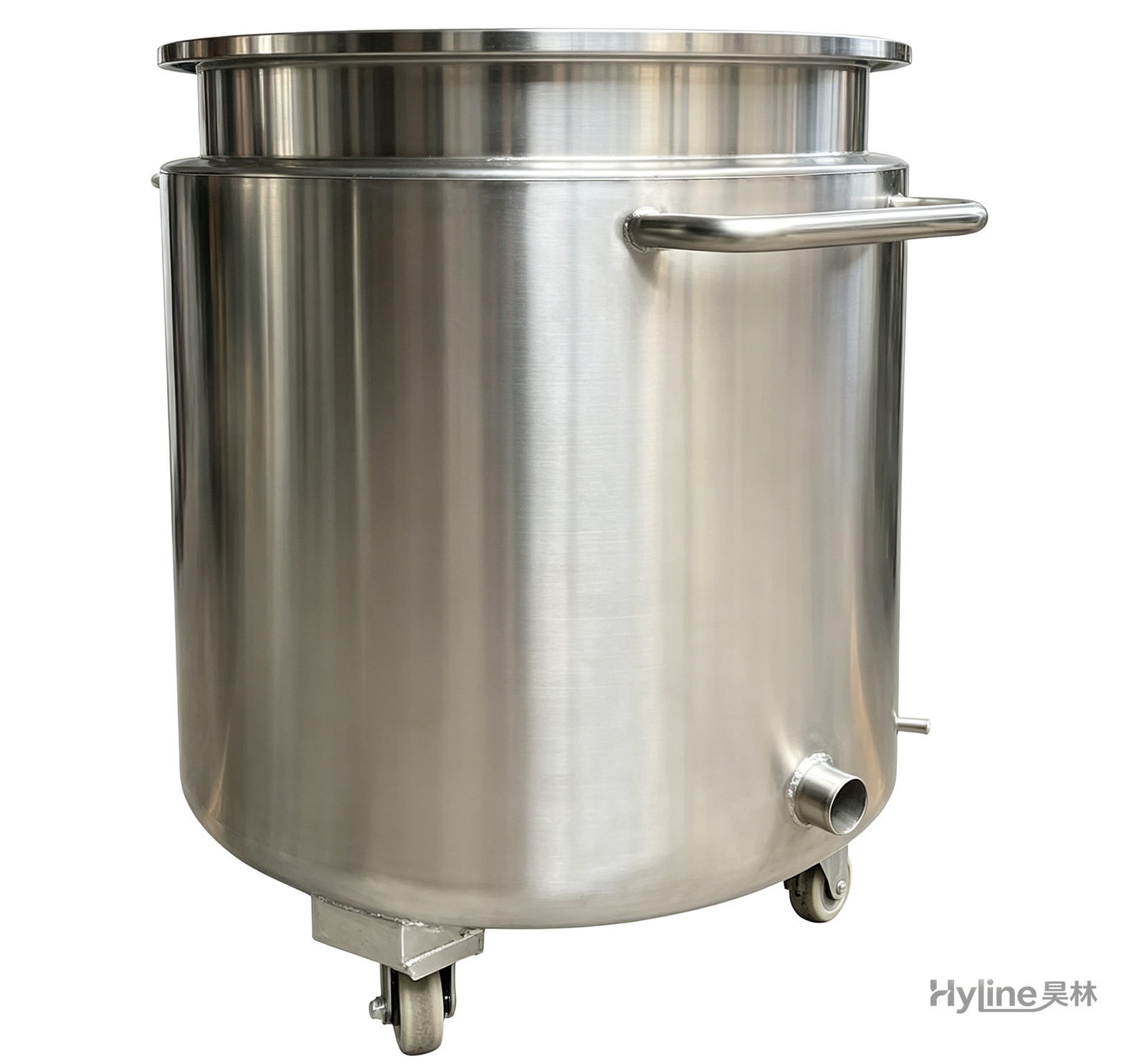
Stainless Steel Mixing Tank (Dispersion Drum)
Supporting vessel for dispersers and mixers in paints, coatings, adhesives, color slurries, inks and electronics. Available in 201/304 stainless with internal/external polishing and sloped bottom side discharge for complete draining.
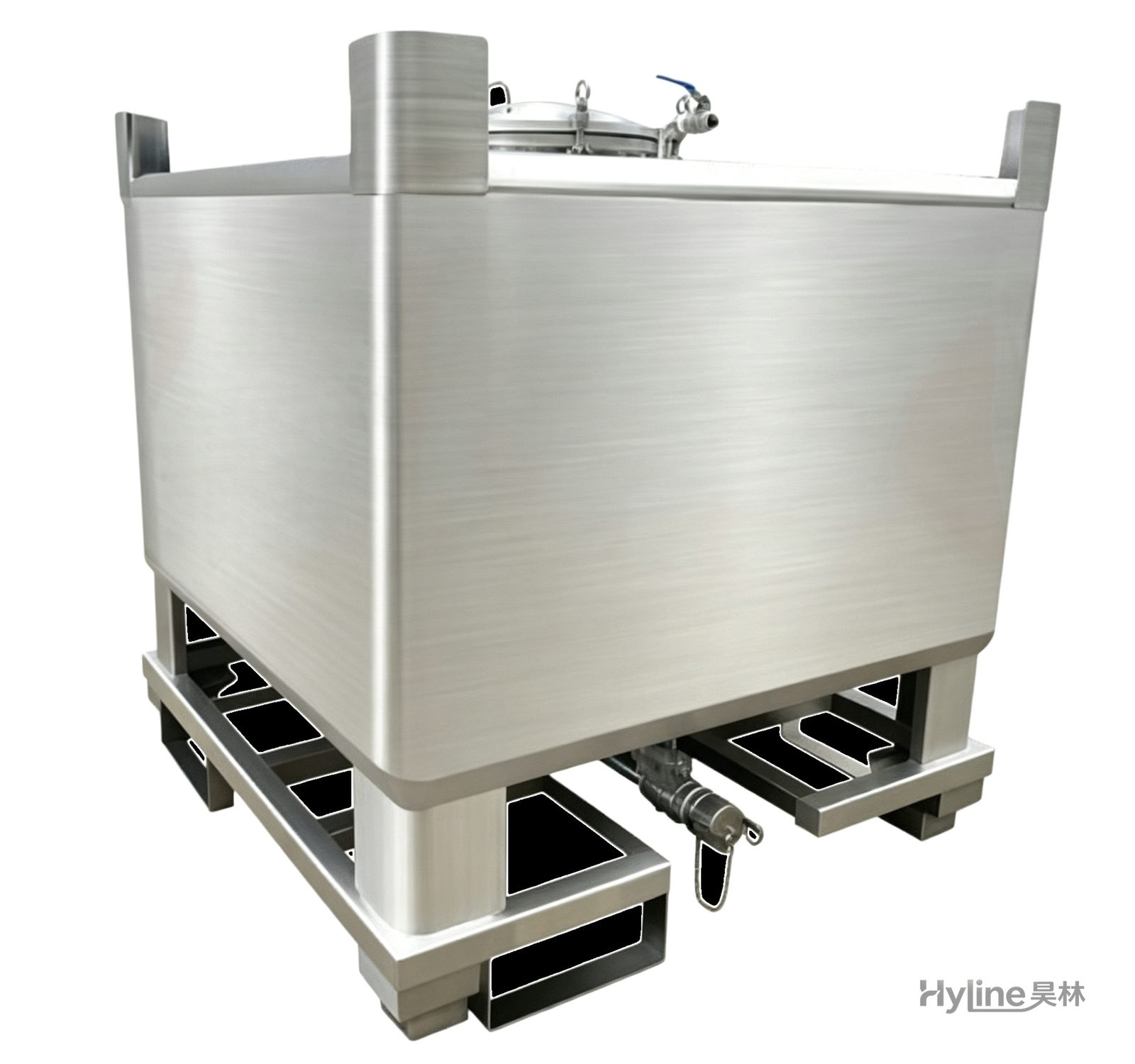
IBC Tank (Intermediate Bulk Container)
HDPE blow-molded liner with hot-dip galvanized steel frame - UV resistant, anti-aging, easy to clean, non-toxic. Four-way fork base for easy handling and stacking; ideal for liquid storage and transport.
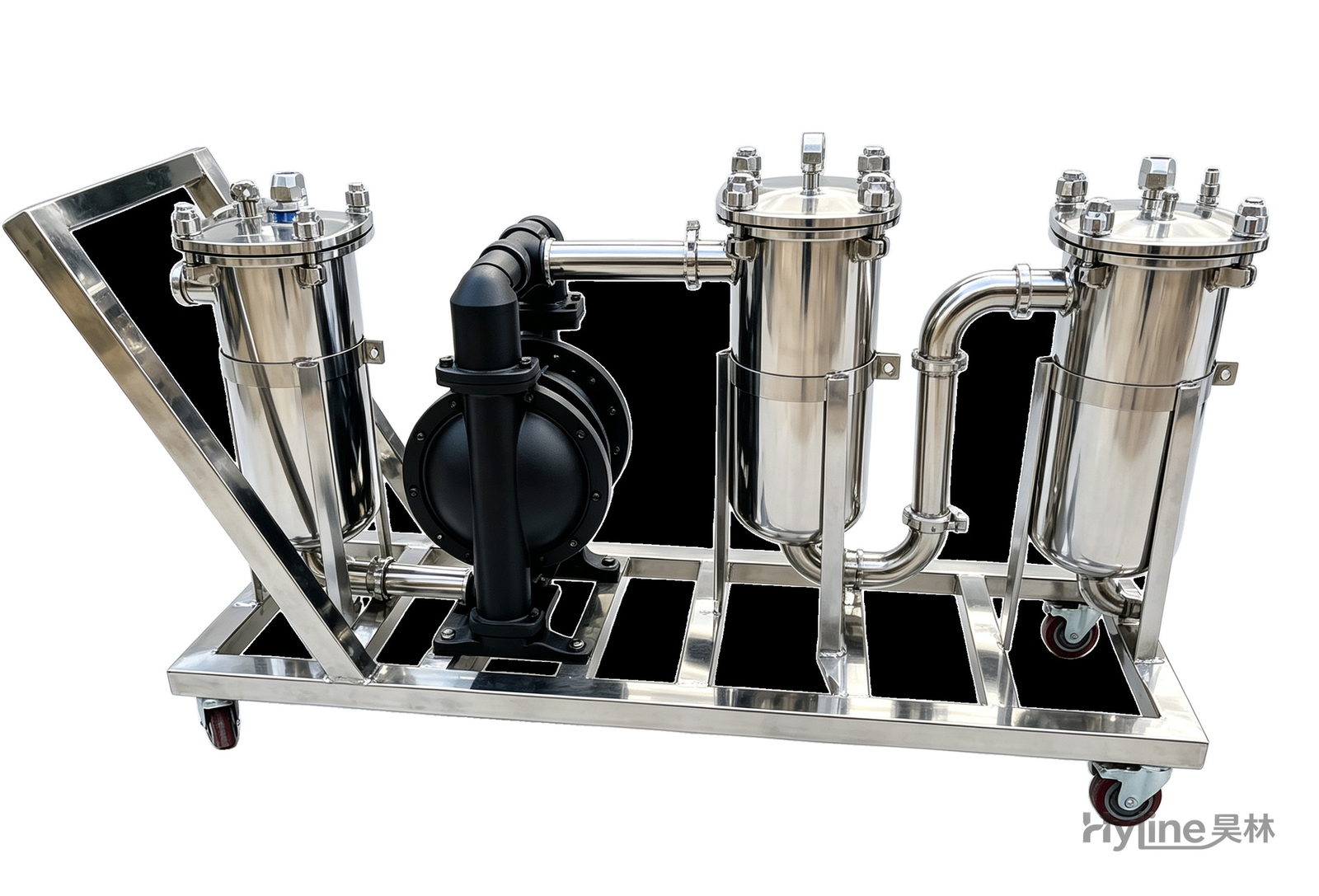
DL Series Bag Filter
A novel, compact, flexible and airtight multi-purpose filter widely used in chemicals, coatings, inks and food. Single and duplex models available, mountable on mobile carts with transfer pumps.
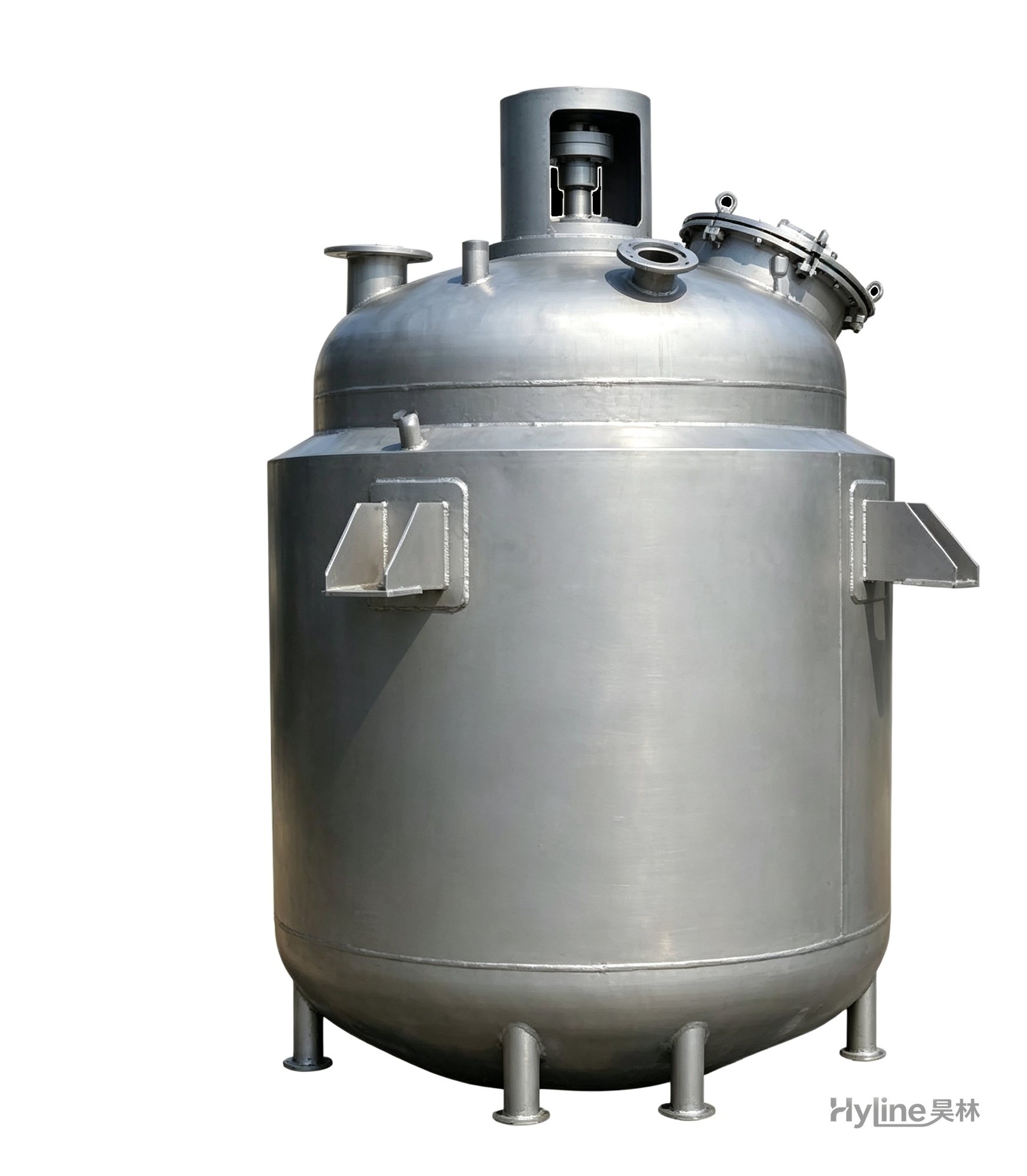
Jacketed Reactor
The typical main reaction vessel in chemical production. Mixing, heating and cooling disperse and mix materials for reaction and polymerization. The jacket circulates thermal oil/steam for heating or cooling water for temperature control.
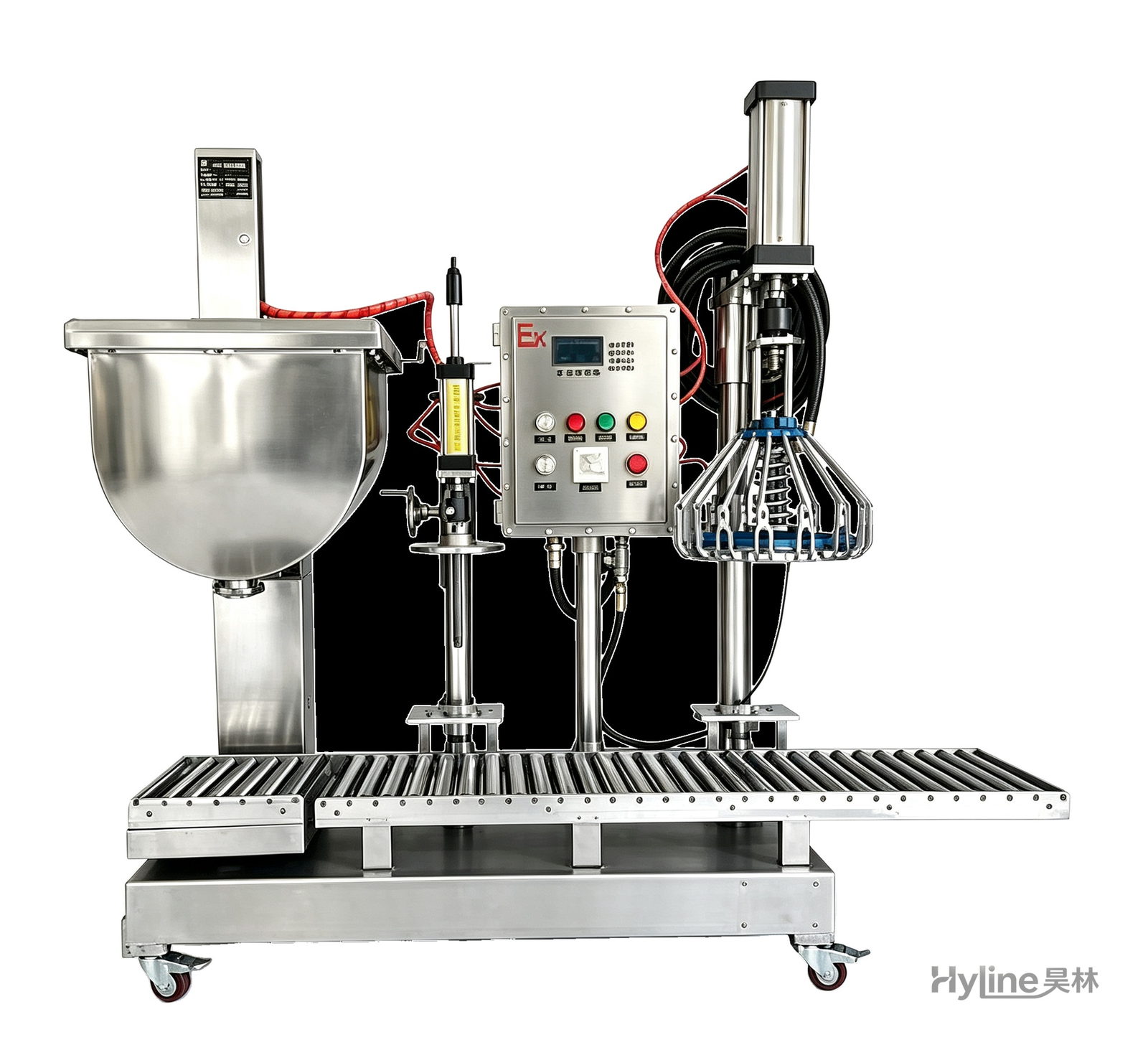
Weighing Semi-Automatic Filling Machine
Designed for frequent packaging changes with dual capping. European weighing technology with Siemens PLC: automatic feed speed adjustment and precision correction, triple protection (emergency stop/power-off/tank removal), explosion-proof fittings.