
Chemical Market Weekly | 2026-10-25: European PP plants accelerate shutdowns, Middle East fertilizer expansion finalized, Asia propylene hits yearly high
10/25/2026
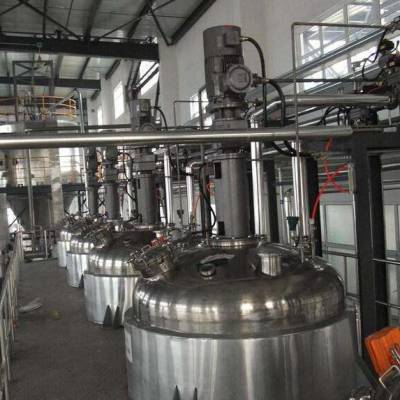
Capacity retreat: European polypropylene plants accelerate shutdowns
LyondellBasell's PP2 polypropylene plant at Brindisi, Italy (about 230,000 tonnes/year) was taken off line on 17 October and is scheduled for permanent closure before the end of the year, adding another case to Europe's shrinking polypropylene capacity. The site's P9T unit was already idled in December 2023, and the closure affects about 81 jobs. With European PP capacity shrinking steadily in recent years, domestic supply tightens further, import dependence is rising, and buyers' restocking pace and the economics of restarting plants are the market's key focus.
Fertilizers and agriculture: European urea losses widen, Middle East expansion finalized
The European fertilizer market remains weighed down by high production costs and uncertainty over the Carbon Border Adjustment Mechanism (CBAM). Purchasing is generally running 15-20% behind schedule, November natural gas contract prices stand above €89.2/MWh, and urea producers are losing about $155-160/tonne, making deferred buying the common choice downstream. The market is largely on the sidelines, waiting for clearer CBAM implementation rules before rebuilding inventories.
In contrast to Europe's contraction, the Middle East is stepping up fertilizer expansion. SABIC Agri-Nutrients Company (SABIC AN) announced the final investment decision for an integrated ammonia and urea complex, awarding the EPC contract to Samsung E&A: an ammonia plant with an annual capacity of 1.2 million tonnes and two urea plants with a combined annual capacity of 2.6 million tonnes, with carbon capture integrated. Once online, total urea capacity will rise from 4.8 million to 7.4 million tonnes/year, an increase of about 54%, with construction starting in Q4 2026 and commercial production targeted for Q4 2030. The project adopts Shell's carbon capture and storage solution, aiming to bring product carbon footprints down to low industry levels and pave the way for green fertilizer exports.
Energy and feedstocks: geopolitical risk heats up again, oil stays high
Supply risk in the Middle East has intensified again after targets inside Saudi Arabia were attacked, sending international oil prices higher: the December Brent contract was last quoted at $110.05/bbl and WTI at $98.06/bbl. After multiple targets inside Saudi Arabia were attacked on 21 October, prices rose quickly, with Brent up about 0.9% intraday before holding at high levels. US Energy Information Administration (EIA) data show commercial crude inventories fell by 3.06 million barrels week on week to 412.5 million barrels, so supply disruption and inventory drawdown reinforce each other and the oil price centre of gravity is unlikely to move lower in the near term.
Asian markets: propylene hits a yearly high, PVC exports keep expanding
Demand expectations have softened after India's Diwali (8 November), yet northeast Asian propylene prices still reached a yearly high. Supply has tightened: Chinese PDH operating rates fell to about 66% in late September (from about 79% in mid-September), and some coastal methanol-to-olefins (MTO) units that rely on imported feedstock were idled, with MTO operating rates falling from about 78% in late September to below 40% in October, sharply narrowing propylene supply flexibility. Meanwhile, Chinese PVC exports keep growing, with cumulative exports of 3.31 million tonnes in January-August, up 14.2% year on year, making export channels a key outlet for balancing domestic supply.
Corporate moves: M&A, expansion and joint ventures in parallel
Infineum, the UK chemicals group owned 50:50 by Shell and ExxonMobil, is exploring a sale at a target valuation of about $8 billion and has hired Bank of America to advise; the process remains early. BASF's new MDI plant at Geismar, USA, started production in early October, doubling MDI capacity. As MDI is a key feedstock for rigid polyurethane foam, adhesives and coatings, the doubled capacity sharply strengthens North American self-sufficiency and cuts import dependence. BASF is also exploring a nylon 6 value-chain joint venture with HSCC, continuing the consolidation trend in the polyamide chain.
What it means for equipment markets
Overseas markets are "closing old plants and building big new ones" in parallel: ageing European polypropylene units are exiting while capital spending on new Middle East and North American plants lands densely, and with crude oil trading high, chemical equipment demand follows the twin tracks of "retrofit of existing assets and investment in new lines". Whether upgrading stainless steel reactors, expanding stainless steel mixing tanks and stainless steel storage tanks, or ordering non-standard turnkey lines, selection should be planned ahead according to actual working conditions and capacity schedules. For equipment makers, plant closures bring maintenance, retrofit and relocation opportunities, while new capacity creates delivery-cycle management for new tanks, agitators and heat-exchange units — both testing flexible manufacturing and non-standard delivery capability.
Further reading:
- Chemical Market Weekly | 2026-10-11: deep restructuring of European petrochemical capacity, faster investment in bio-based and electronic materials, North American coatings capacity expansion
- Chemical Market Weekly | 2026-10-18: world's largest wood-based biorefinery starts up, India seals three green ammonia investments, Asia PX rises to $1,283
This article is compiled by Shenzhen Haolin Shengda Equipment Manufacturing Co., Ltd. (hyline.cn); ownership of the information belongs to the original authors. We specialize in stainless steel reactors, mixing tanks, storage tanks, dispersers, concentrators and complete chemical line integration, supporting non-standard customization.
Related Products

Jacketed Reactor
The typical main reaction vessel in chemical production. Mixing, heating and cooling disperse and mix materials for reaction and polymerization. The jacket circulates thermal oil/steam for heating or cooling water for temperature control.
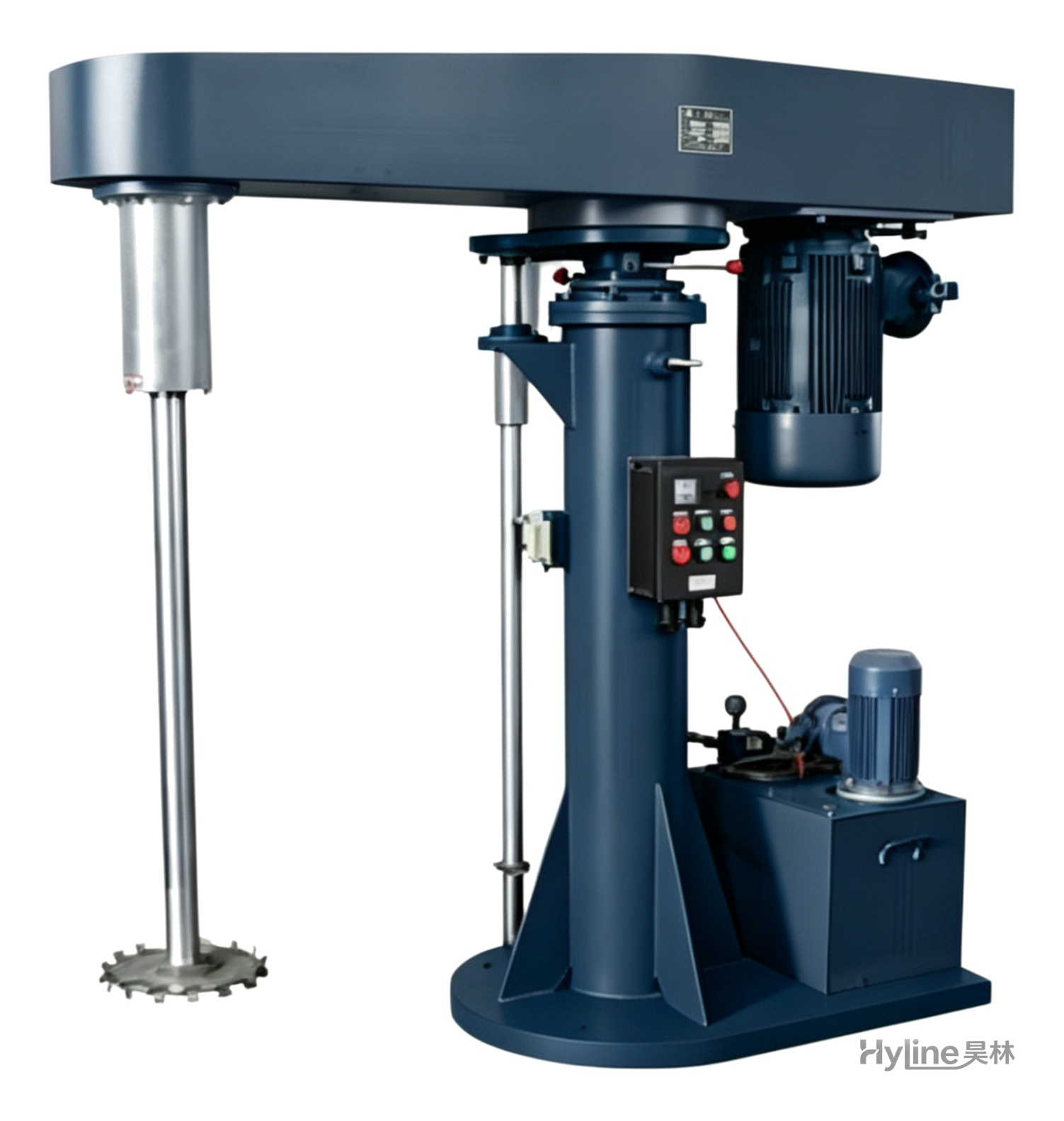
FL Series High-Speed Disperser
Stirs, dissolves and disperses liquids and powders, working alone or matched with sand mills. Variable-frequency drive with hydraulic lift, widely used in paints, inks, coatings, dyestuffs and papermaking.
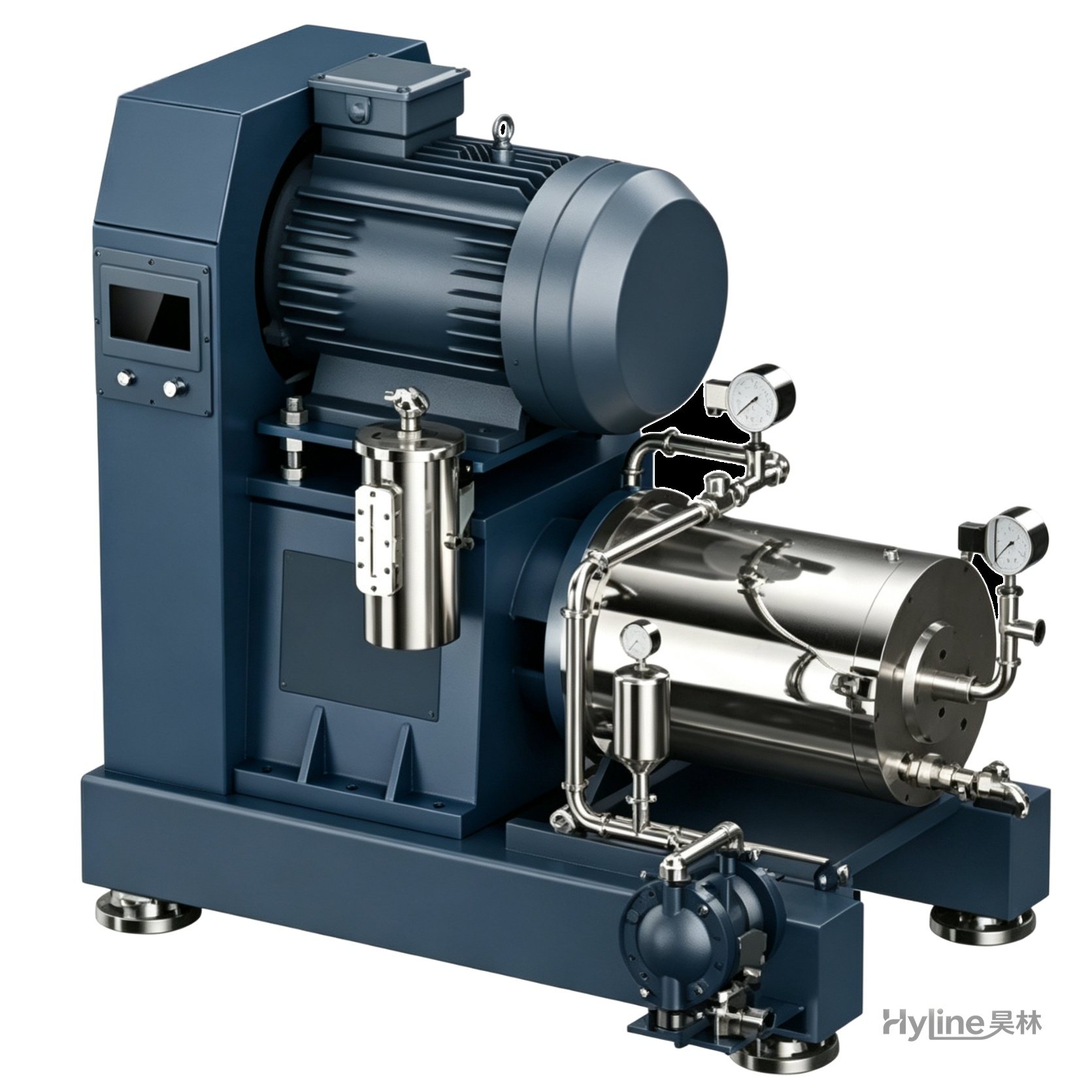
TDB Nano Sand Mill (Rod Pin Type)
Designed to advanced European standards with ample flow, excellent temperature control and high energy efficiency, achieving narrow particle size distribution at nano grade. Widely used in ceramics, inks, lithium battery materials, electronic slurries, nano pastes and pesticides.

Stainless Steel Mixing Tank (Dispersion Drum)
Supporting vessel for dispersers and mixers in paints, coatings, adhesives, color slurries, inks and electronics. Available in 201/304 stainless with internal/external polishing and sloped bottom side discharge for complete draining.