
How to choose a high-speed disperser for ceramic glaze and electronic pastes: dense powders, wear and colour changeover
11/6/2026
Ceramic glaze slips and electronic pastes are often treated as "slightly thicker paint" when equipment is specified — and then the disperser cannot turn the batch, the disc wears out fast, and a colour change takes half a day to clean. A high-speed disperser has only a handful of headline parameters — power, disc diameter, speed, vessel volume — but with dense, abrasive, fast-settling inorganic powders, every one of them is set differently from ordinary coatings. This article explains power, disc, wear materials, anti-settling and changeover cleaning for these typical services, so the machine lands on a specification that produces steadily for years.
The typical process is: charge, pre-disperse, grind to fineness, adjust, sieve. The disperser owns step two — wet the dry powder and break agglomerates so the slurry can move on to grinding. It does not have to reach final fineness in one pass, but it must deliver "no agglomerates, no settled bed, no ruined disc". Before selecting, state three things: powder density and abrasiveness, batch slurry volume and solids content, and how many products or colours share the line per day.
How do these materials differ from ordinary coatings?
In one sentence: dense, abrasive, fast-settling powders mean you cannot copy a standard coatings parameter sheet.
Quartz, feldspar and frit in glazes, or metal oxides and glass powders in electronic pastes, are markedly denser and harder than common organic pigments. At the same speed they scour the disc and vessel wall harder; stop briefly and heavy particles pack into a hard layer at the bottom. The table below sets out the differences across three typical slurries:
| Typical slurry | Powder characteristics | Selection emphasis |
|---|---|---|
| Ceramic glaze slip | High density, abrasive, settling | Wear parts, anti-settling disc position |
| Electronic paste | High fineness demand, small batches, high value | Low contamination, cleanability, temperature control |
| Glaze colourants | Many colours, frequent changeover | Quick strip and wash, no cross-contamination |
Classify the system and the later parameters gain meaning. Glaze slips centre on wear and anti-settling, electronic pastes on low contamination and cleaning, colourants on changeover efficiency — same machine, completely different priorities. Copying an ordinary coatings sheet most often ends in insufficient power margin and a disc that wears away quickly.
How to set power? Start with density and solids
In one sentence: estimate power from slurry density, batch volume and disc diameter — do not quote a kilowatt figure on its own.
Dense slurries need high starting torque, and the load peaks while powder is still unwetted. Size the motor only for steady agitation and it will bog down or lose speed during charging. Estimate shaft power from density, charge volume and target tip speed, add margin, and use a variable-speed drive so charging runs slow and speed rises only after wetting. Do not simply oversize either: too much power on a small disc only throws material at the wall, draws in more air and actually reduces fineness gain while making temperature harder to control.
Two field signals tell you whether power is enough: whether speed holds after powder charging, and whether current sits near rated value for the whole run. Both normal means a good match; speed dropping with current pinned high means go back to density and disc diameter rather than extending the batch time. Keep the trial current curve — it becomes a reference for later recipe changes.
How to match disc diameter to vessel diameter?
In one sentence: take disc diameter at one third to one half of vessel diameter; for dense powders use a larger disc at lower speed.
Disc diameter sets how far the flow reaches sideways, speed sets tip speed and shear, and the two must be fixed together. For fast-settling heavy powder, prefer a larger disc at slightly lower speed that keeps bottom and near-wall material turning over, rather than a small disc at high speed spinning only the middle layer. The table below gives an empirical guide, to be tuned for solids content and viscosity:
| Vessel diameter | Suggested disc diameter | Common disc/vessel ratio | Note |
|---|---|---|---|
| 0.8 m class | 0.28–0.35 m | about 0.35–0.44 | Small batches, many products |
| 1.2 m class | 0.40–0.55 m | about 0.33–0.46 | General purpose |
| 1.6 m class | 0.55–0.75 m | about 0.34–0.47 | Check shaft rigidity |
Remember too that dispersion is only pre-dispersion. Once agglomerates are broken and powder wetted, final fineness is normally delivered by a sand mill or basket grinding equipment. Writing "at what point the batch hands over to grinding" into the process stops the disperser from being forced to do a mill's job, which wastes both discs and power. A clear boundary also makes it easier to balance capacity between the two steps.
How to choose materials for abrasive service?
In one sentence: specify wetted parts for wear and design them as replaceable — do not let disc and vessel become a consumables sink.
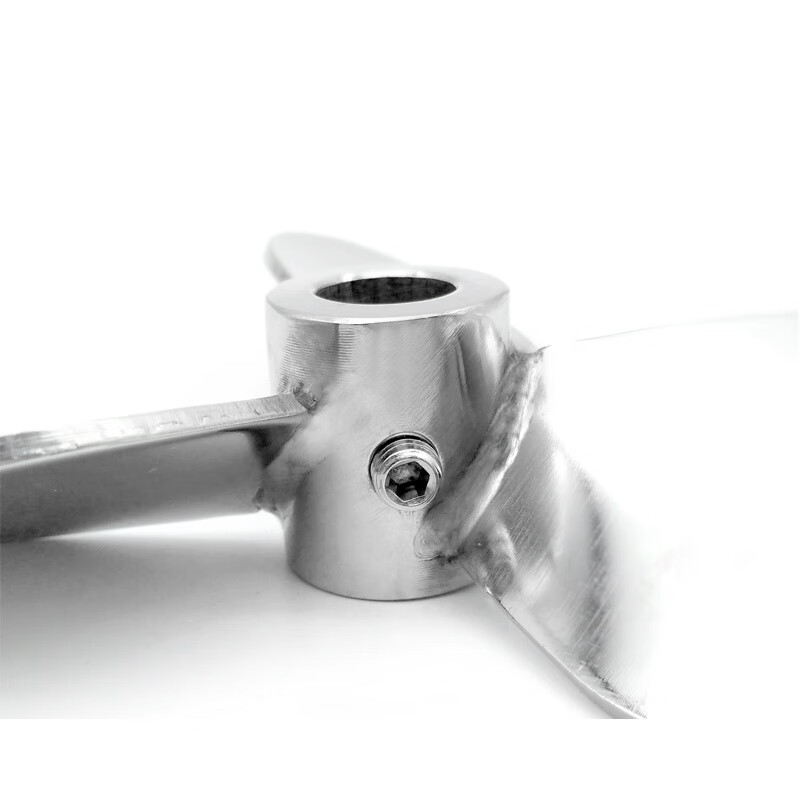
Hard particles such as quartz, feldspar, alumina and metal powders wear disc teeth, vessel walls and shaft sleeves continuously. Make the disc a quick-release standard part in wear-resistant stainless steel or with surface hardening rather than chasing "one set forever"; keep the vessel wall polishable so a deep scratch does not become the start of build-up on every batch. Keep a spare set of wear parts with the machine so a disc change never waits on delivery.
Think of the disc as a scheduled process consumable, not as machine body. Once the teeth round off, tip speed is still there but shear is gone, and continuing only stretches every batch. Stocking to a wear cycle is cheaper than running until the disc is scrap. By the same logic, polish out a visible groove in the vessel wall early rather than replacing the whole vessel later.
How to prevent settling of dense powder?
In one sentence: use disc position, baffles and bottom shape, and treat "can it be re-dispersed after a stop" as a specification item.
Heavy particles settle fast; a disc set too high stirs only the upper layer while a hard bed builds at the bottom. Common practice puts the disc about one disc diameter above the vessel bottom, uses baffles to suppress bulk swirl so turnover runs through the whole liquid column, and prefers a conical or sloped bottom over a flat one for fewer dead zones. For batches that stand overnight, confirm that low speed can lift the sediment again, and specify twin discs or a rise-and-fall shaft if needed.
Settling is not only a fineness issue. Once the bed cakes, the next start-up hits a hard layer first, with abnormal vibration and current that over time damage the shaft and frame. Anti-settling is therefore about protecting the equipment as much as the slurry. Writing "how long it may stand and still re-disperse" into acceptance criteria is closer to real operation than checking fineness alone.
How to account for colour changeover cleaning?
In one sentence: count cleaning time into capacity and prefer quick-release discs, movable vessels and open, washable structures.
Colourants and electronic pastes fear cross-contamination — a trace of residue shifts the whole batch. Look beyond "how long one vessel takes" to "how long one changeover takes": can one person strip the disc, can the vessel roll to a wash bay, are there gaps on the shaft and frame that a hose cannot reach. An open vessel on a trolley often suits small-batch multi-product work better than a fixed closed one. Only for systems needing deaeration or carrying volatile components should a vacuum disperser combine dispersion and deaeration in one machine.
Put the wash sequence into the procedure too: scrape heavy slurry off disc rim and wall first, then rinse, then dry surfaces prone to rust — never let electrolyte-bearing slurry dry on stainless steel. Fix those steps and changeover time becomes stable enough to schedule. A multi-colour line is better served by a spare movable vessel than by one vessel waiting through its own wash.
How to configure lift and vessel?
In one sentence: set lift type, clamping and vessel count by batch size and how often vessels change.
Hydraulic lift suits large vessels, heavy batches and frequent disc repositioning; pneumatic or mechanical lift suits light fixed duty. A line changing vessels several times a day benefits from two movable vessels in rotation rather than washing one repeatedly. The table below gives tiers by production rhythm:
| Tier | Suitable service | Main configuration |
|---|---|---|
| Basic | Single product, fixed vessel | Single-shaft disperser + fixed vessel |
| Common | 2–4 products, vessel per batch | Hydraulic lift + baffled vessel + spare disc |
| Multi-colour | Frequent changes, small batches | Two movable vessels + quick-release disc + separate wash bay |
Check building conditions at the same time: headroom for full lift, floor load, and turning space to roll a vessel out. These are the costliest items to rework on site and the cheapest to confirm at the drawing stage. Leave clearance between the shaft at full lift and roof structure rather than discovering it at installation.
Budget and acceptance points
In one sentence: secure power and wear resistance first, automation second; accept on vibration, temperature rise and lift behaviour.
With a limited budget, put motor margin, disc material and quick-release design, and vessel baffles first; variable speed, load cells and automatic lift form a second layer. On delivery, run no-load first: check for abnormal shaft runout, smooth lifting, and normal bearing and gearbox temperature rise, then run one loaded batch and watch current and dispersion time. Normal no-load but speed loss on dense material usually means power or disc diameter was undersized — adjusting then is easier than replacing parts. Record both no-load and loaded data on the acceptance sheet for later review.
How we work through a selection
As Hyline Shengda Equipment Manufacturing Co., Ltd. behind hyline.cn, we start by understanding the material: powder density and hardness, batch volume and solids, target fineness, products changed per day, building height and floor conditions. From there we set power, disc diameter and type, lift method, vessel count and wear configuration. On lines where fineness handover matters, we also lay out dispersion and grinding together so the disperser is not asked to do a mill's work.
We also advise a loaded trial with a representative slurry before ordering, so current curve, dispersion time and disc wear are visible before the specification is fixed — rather than ordering from a catalogue kilowatt figure. Bigger is not safer; matching the material is what matters. If you are fighting a machine that cannot turn the batch, a disc that wears too fast, or slow colour changes, share your conditions and we will help you set the parameters right.
Further reading: - How to match a dispersion vessel to a high-speed disperser: volume, disc diameter and loading - Why high-speed disperser discs wear: inspection and replacement
This article is compiled by Hyline Shengda Equipment Manufacturing Co., Ltd.
Q&A from this article
Frequently asked questions and answers from this article
In one sentence: use disc position, baffles and bottom shape, and treat "can it be re-disp…
Related Products
FL Series High-Speed Disperser
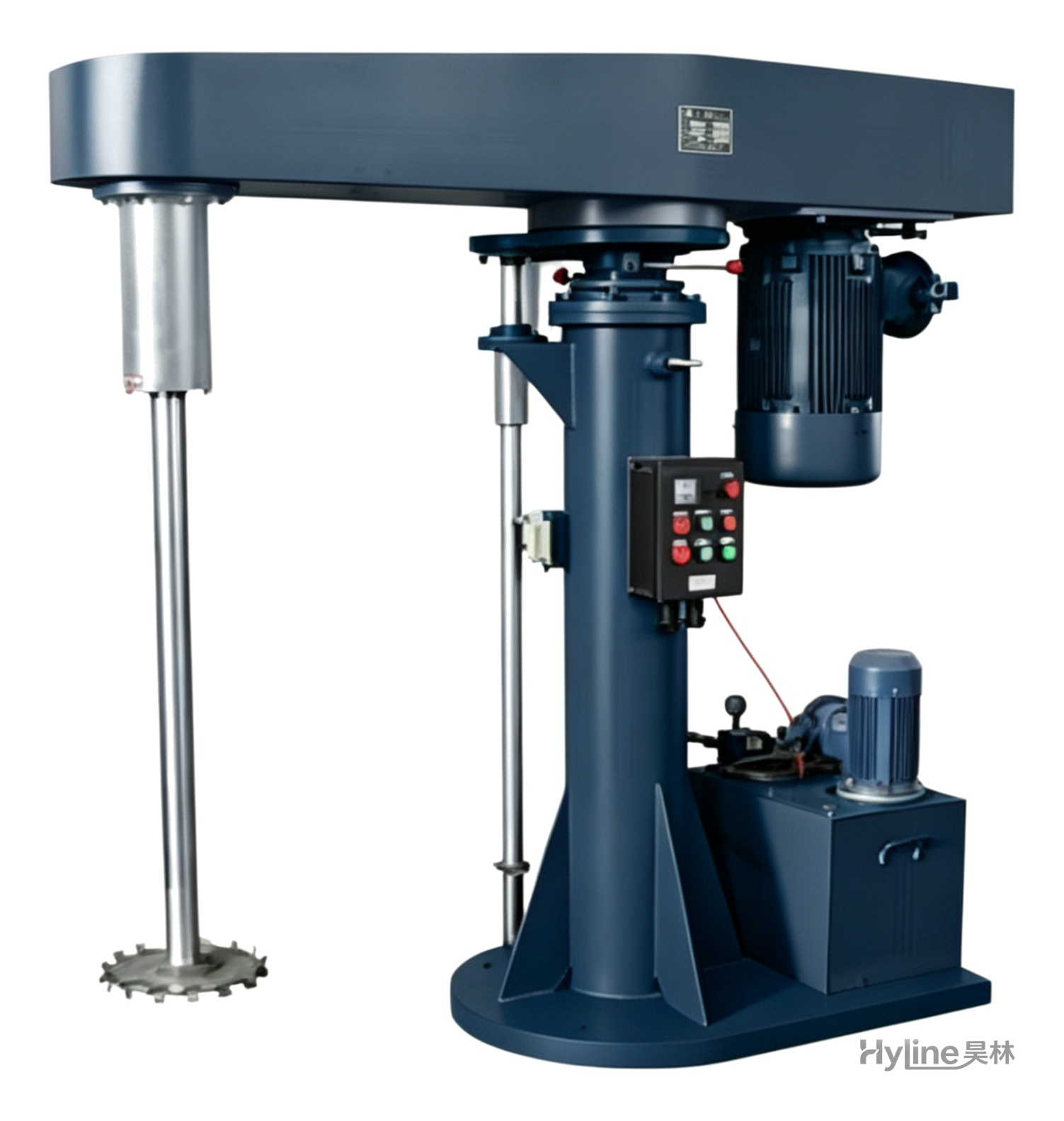
Stirs, dissolves and disperses liquids and powders, working alone or matched with sand mills. Variable-frequency drive with hydraulic lift, widely used in paints, inks, coatings, dyestuffs and papermaking.
FL Series Vacuum Disperser
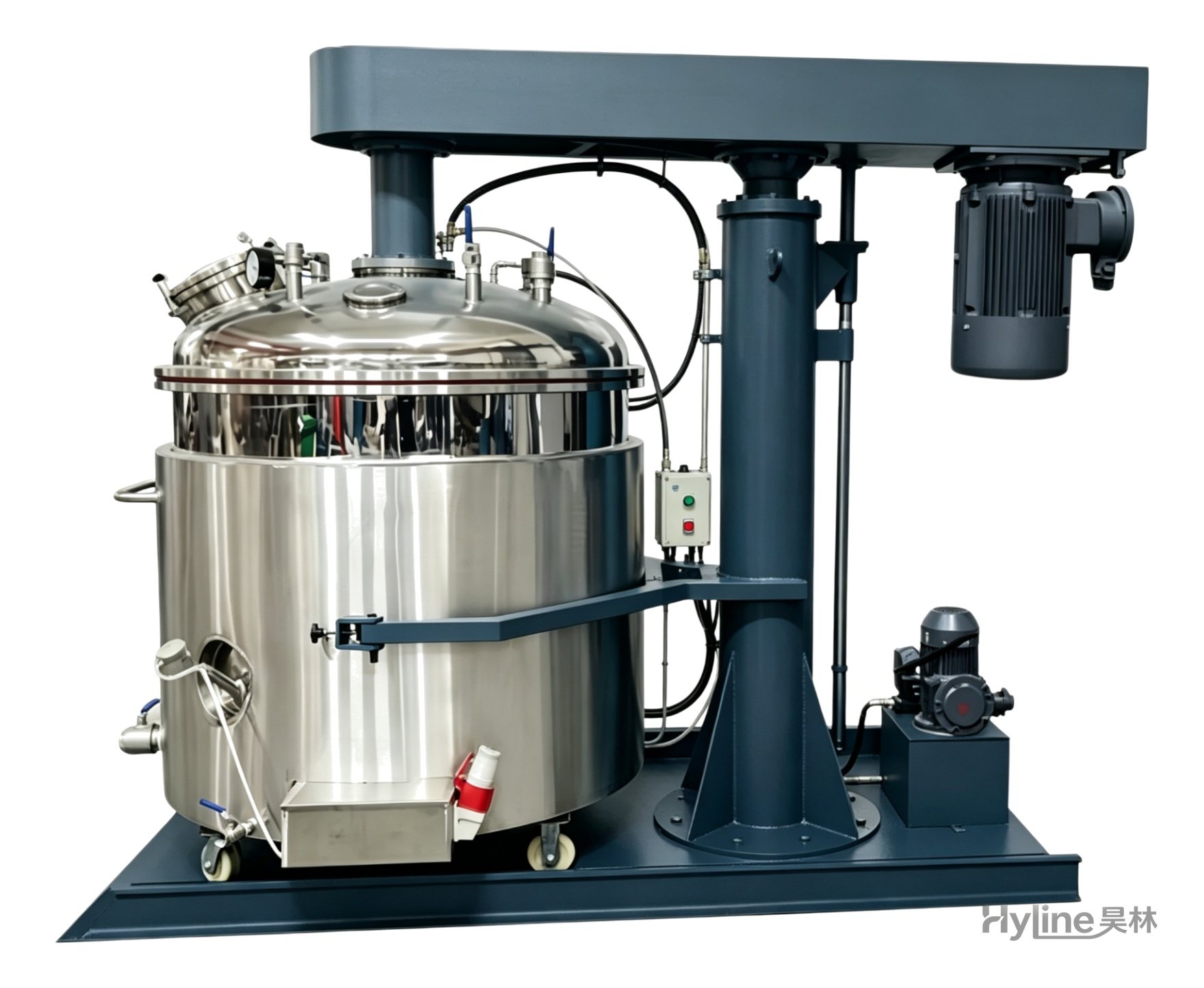
Designed for bubble-rich materials and volatile solvents. Vacuum dispersion reduces bubbles and solvent evaporation, accelerates fineness and rapidly defoams. Simple structure, high vacuum, easy operation.
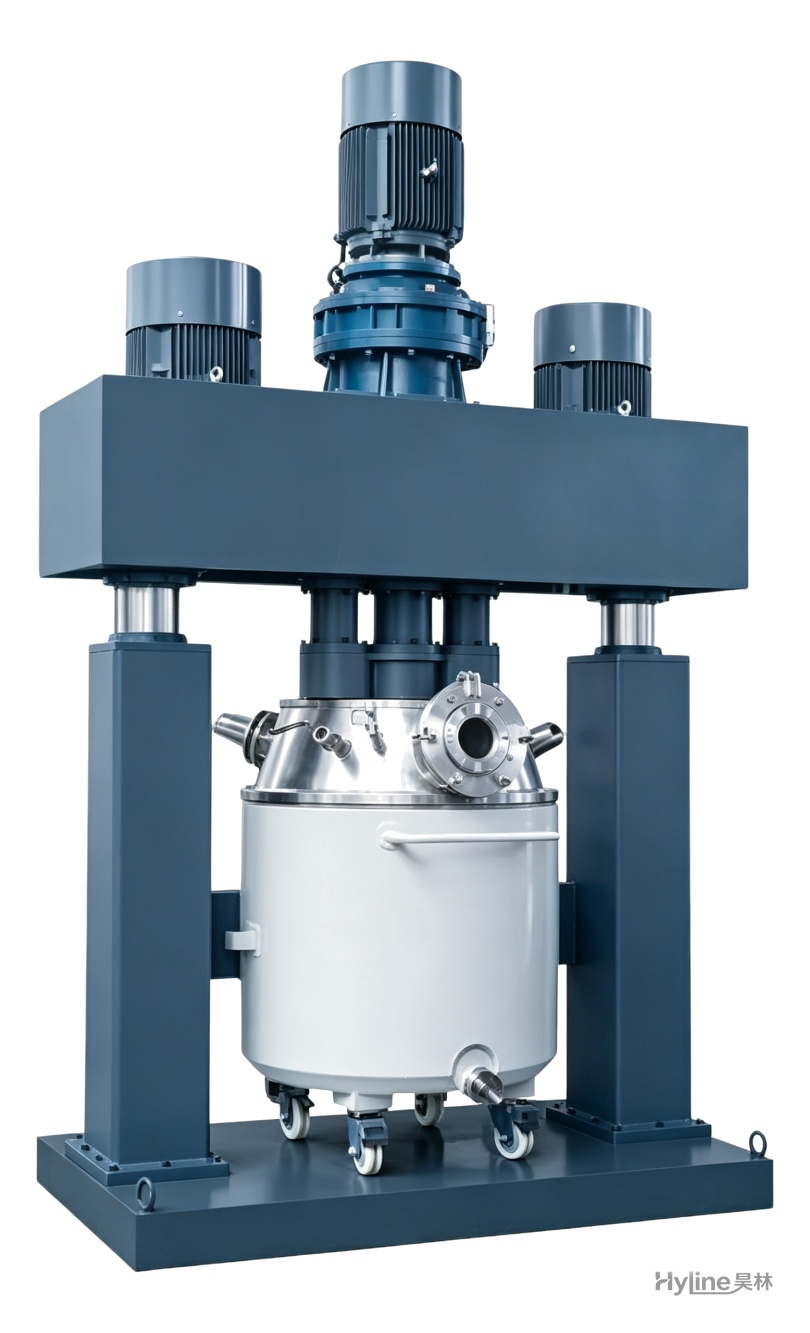
QLF Series Powerful Triple-Shaft Disperser
Two high-speed dispersers plus wall/bottom scraping create complex material flow for rapid dispersion and grinding. Handles high-viscosity pastes of 10,000-2,000,000 cps - widely used for silicone sealants, PU sealants, liquid silicone and electronic adhesives.
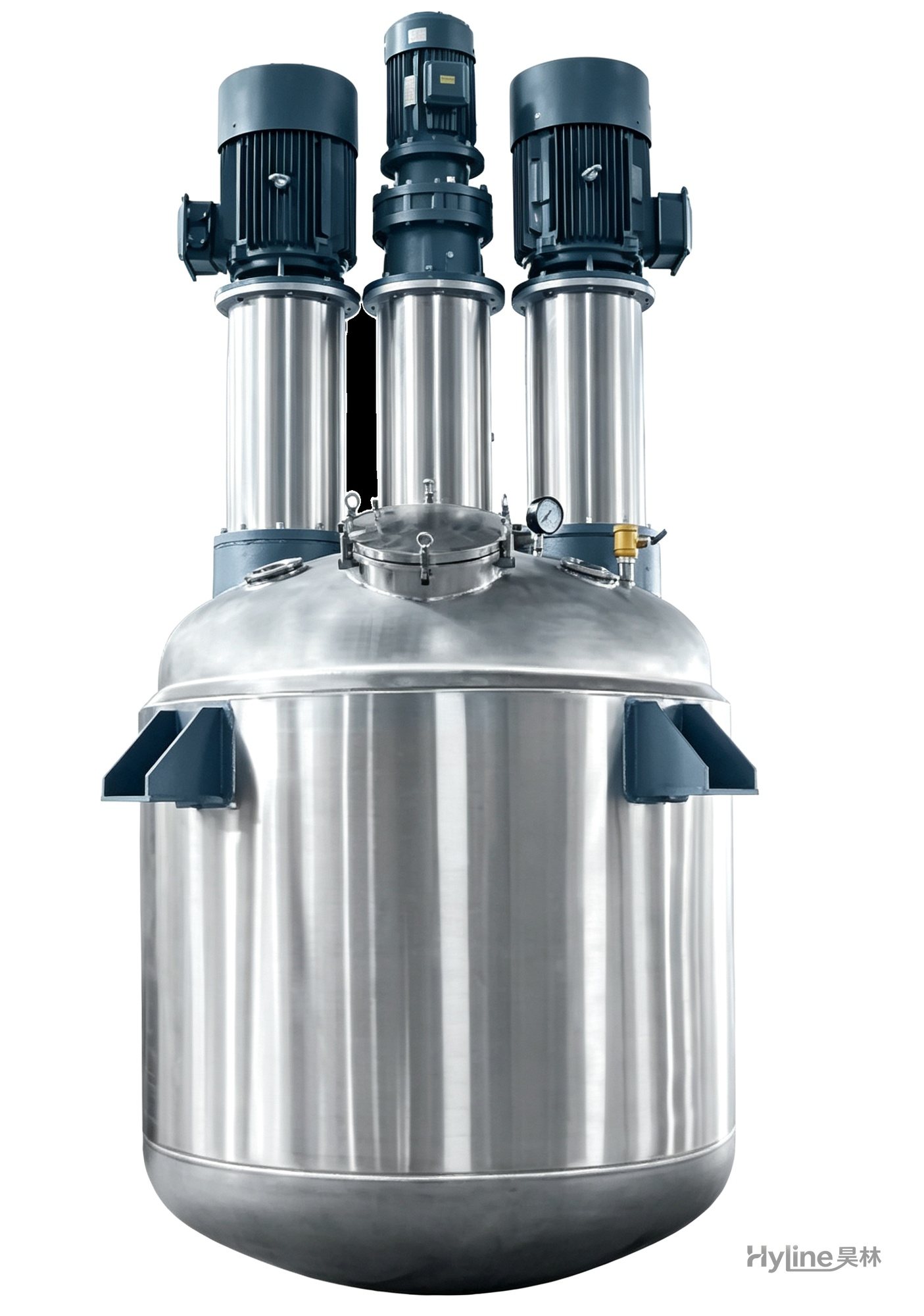
FS Series Multifunctional Dispersing Kettle
Integrates low-speed heavy-duty stirring with high-speed dispersion for medium/high-viscosity and thixotropic materials. Stirring and dispersion proceed simultaneously for ideal results in mixing, dissolving, dispersing and tinting.
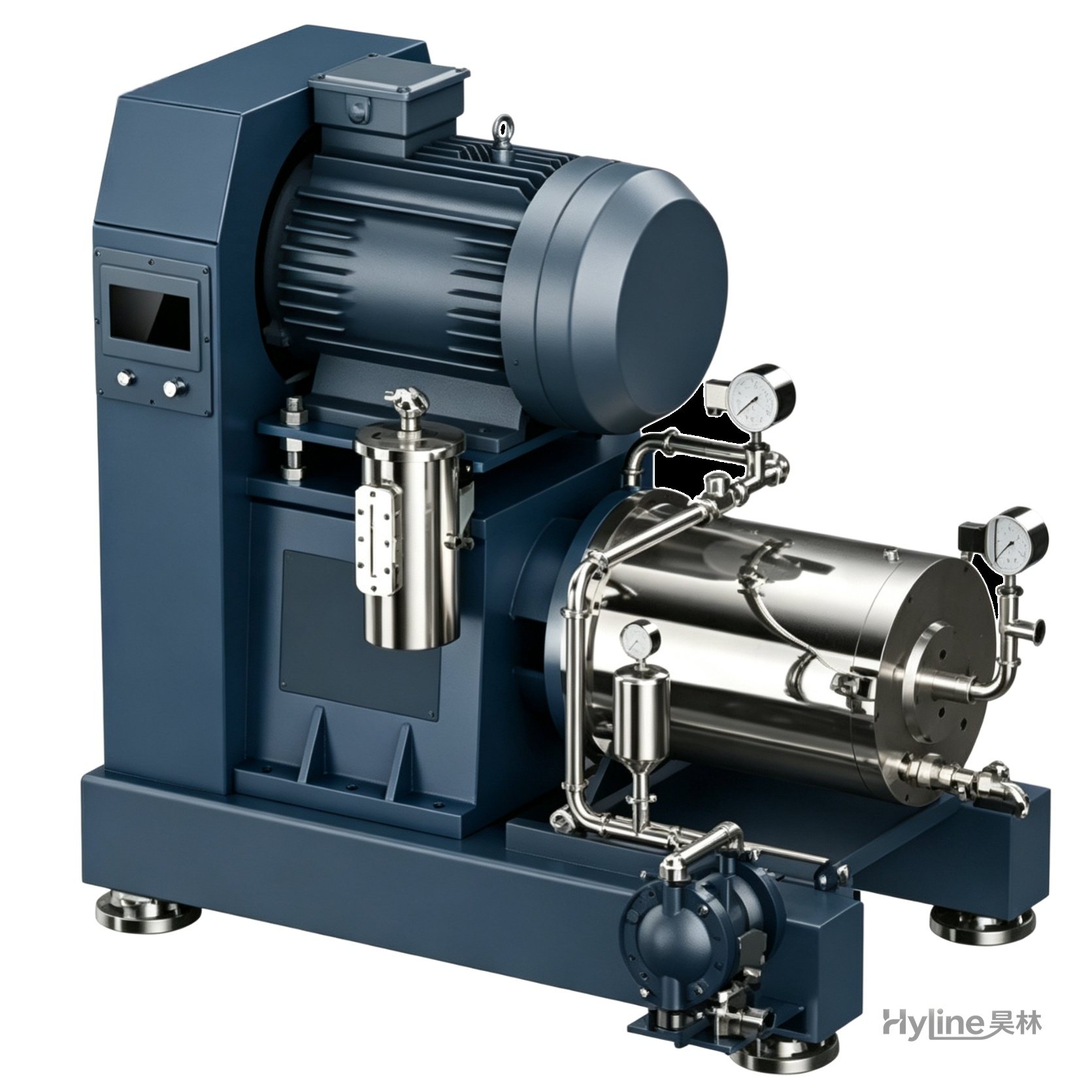
TDB Nano Sand Mill (Rod Pin Type)
Designed to advanced European standards with ample flow, excellent temperature control and high energy efficiency, achieving narrow particle size distribution at nano grade. Widely used in ceramics, inks, lithium battery materials, electronic slurries, nano pastes and pesticides.
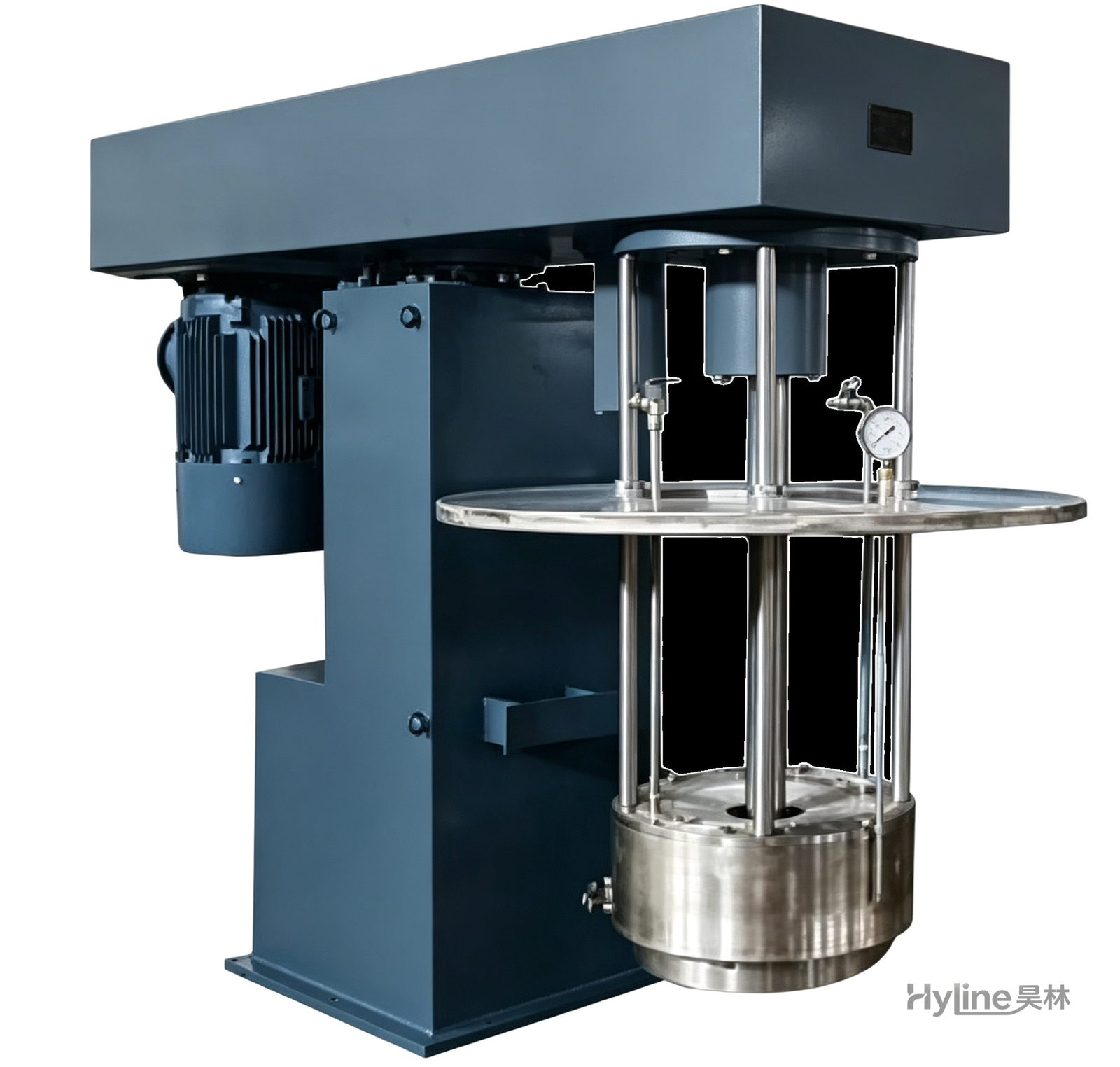
LS Series Basket Mill
Combines milling and dispersing in one machine with low energy consumption, high efficiency, easy operation, maintenance, cleaning and color change. Works with independent tanks for low/high-viscosity pastes.