
How to Calculate Chemical Equipment Capacity? Batch Cycle, Loading Coefficient and Reactor Volume Matching
10/6/2026
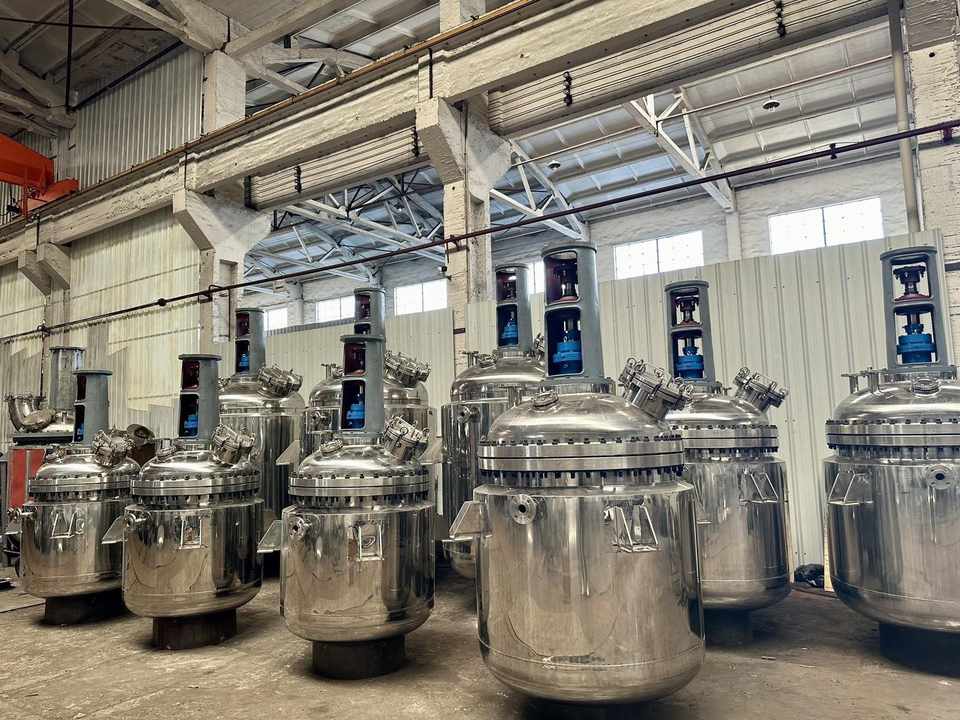
The capacity of chemical equipment is not simply a matter of buying a bigger vessel. The capacity of reactors and mixing tanks is determined jointly by batch cycle, loading coefficient and effective volume: volume decides output per batch, the loading coefficient decides the actual charge, and the batch cycle decides how many batches can be run per day; multiply the three and you get real capacity. Calculating capacity first and then selecting equipment is the key to avoiding "equipment bought but capacity insufficient" or "capacity surplus but equipment idle".

How is the basic capacity formula understood?
The daily capacity of a single unit can be expressed as: daily capacity = actual charge per batch × number of batches per day. Actual charge per batch = nominal vessel volume × loading coefficient, and number of batches per day = effective production hours per day ÷ single batch cycle. This formula shows that capacity can be improved along three paths: larger volume, higher loading coefficient, and shorter batch cycle; real projects usually combine all three.
- Nominal volume: the nameplate volume of the equipment, which is not the same as the actual charge
- Loading coefficient: the ratio of actual charge volume to nominal volume
- Single batch cycle: the complete loop of charging, reaction, cooling, discharging and cleaning
- Daily effective hours: net production time after shifts, maintenance and waiting are deducted
How is the batch cycle broken down?
The single batch cycle is the most easily underestimated link in capacity calculation. A complete batch is more than reaction time: it also includes charging, heating, reaction, cooling, discharging and cleaning, of which heating/cooling and cleaning are often ignored and actually occupy more time than expected. Batch cycle = charging time + heating time + reaction time + cooling time + discharging time + cleaning time; every item must be included in the calculation to get a batch count per day close to reality.
| Step | Influencing factors (typical) | Common optimization direction |
|---|---|---|
| Charging | Charging method, pump capability | Gravity tank/pumping instead of manual |
| Heating | Heat exchange area, heat source capability | Larger heat exchange area, pre-heated medium |
| Reaction | Process requirements, mixing effect | Optimized agitation and temperature control |
| Cooling | Cooling capability, jacket efficiency | Larger cooling area, pre-cooling |
| Discharging | Discharge method, piping layout | Bottom discharge, pumping |
| Cleaning | CIP capability, dead corners | Online cleaning instead of dismantling |
Loading coefficient and effective volume
The loading coefficient is the key factor in capacity calculation: the ratio of actual charge volume per batch to nominal volume. Generally the loading coefficient of reactors is between 0.5 and 0.8: processes that need to reserve vapor space, boiling space and agitation splash space take the lower value; processes with stable liquid level and no violent reaction can take the higher value. Mixing tanks and storage tanks usually have higher loading coefficients, and storage tanks generally reach about 0.9, but this should be re-checked against medium properties and safety margins.
If the loading coefficient is set too low, equipment utilization is insufficient; too high, the reaction may overflow or entrain, and even affect mixing effect and safety. Generally it is recommended to determine it by process characteristics and confirm effective volume and agitation coverage with the equipment manufacturer at the design stage.
Working backwards from target capacity to vessel volume
Back-calculation is a common method of capacity matching: first define the target daily capacity and planned production hours, estimate the batch cycle to derive batches per day, then combine the loading coefficient to back-calculate the required nominal volume. Example: target daily capacity 20 tons, single batch cycle about 6 hours (18 effective production hours per day, 3 batches), charge per batch about 6.7 tons; if the loading coefficient is 0.7, the required nominal volume is about 9.6 cubic meters, so a 10 cubic meter-class reactor can be selected with margin. This is an example calculation; actual values must be re-checked against medium density, process time and safety factors.
How product changeover affects capacity
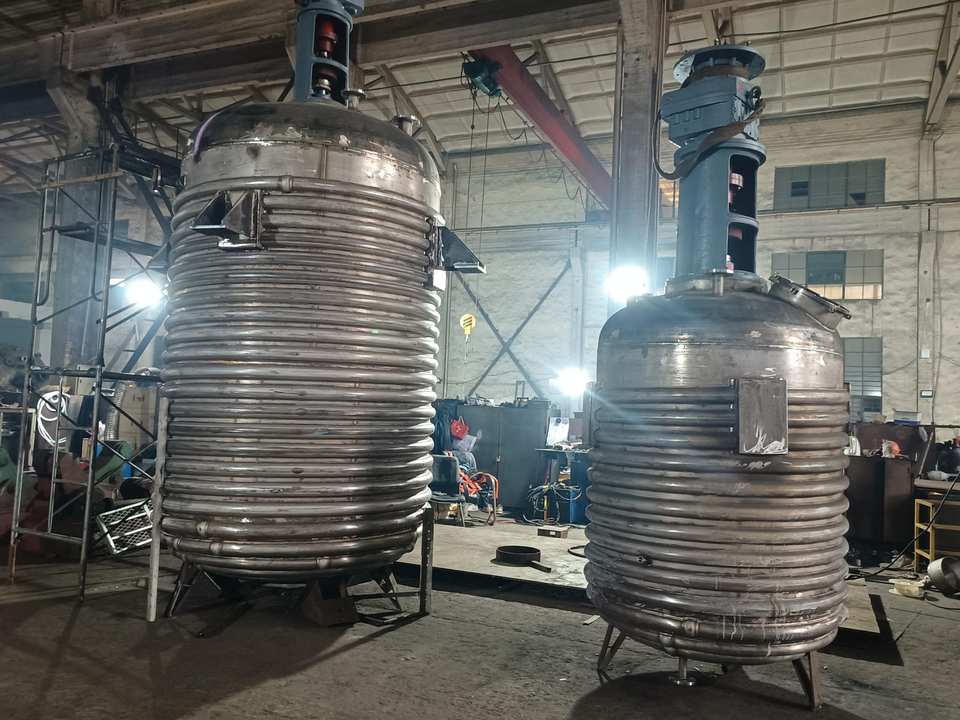
Multi-product, small-batch production is the norm in fine chemicals, and batch changeover consumes changeover time: material change, cleaning and parameter adjustment all extend the single batch cycle. In practical planning, production lines with frequent product changeover should be calculated by maximum batch demand and changeover frequency, not by a single product at full load. Flexible lines often reduce the erosion of capacity by changeover time through shared reactors, quick-change impellers and standardized interfaces.
Reference loading coefficients by vessel type
The loading coefficient varies with vessel type and process characteristics; general reference ranges are as follows:
| Vessel type | Loading coefficient (typical) | Notes |
|---|---|---|
| Reactor | 0.5-0.8 | Reserve vapor, boiling and splash space |
| Mixing tank | 0.6-0.85 | By agitation turnover and stable level |
| Storage tank | 0.85-0.95 | Reserve expansion and safety margin |
| Concentration tank | 0.5-0.7 | Reserve boiling and vaporization space |
Specific values must be re-checked against material foaming, reaction intensity and safety margins; processes with more foam and violent reaction take lower values.
Capacity calculation differences between storage tanks and mixing tanks
Storage tanks and mixing tanks differ in capacity logic: storage tanks are "volume-type" equipment, whose capacity mainly depends on turnover capability, that is, the amount of material stored and discharged per unit time, with a weak batch concept; mixing tanks are "batch-type" equipment, calculated by batch cycle and loading coefficient like reactors. When planning a line, configure storage tanks by turnover and buffer demand, and reactors and mixing tanks by batch capacity; only when the two match can the line run continuously and smoothly, avoiding material being trapped because upstream capacity exceeds downstream digestion capacity.
How to identify capacity bottlenecks?
If output after commissioning is lower than the design value, first find the bottleneck link: record the actual time consumed by each link in the batch cycle, and the link with the largest share is the bottleneck. Generally heating and cleaning are the most likely bottlenecks, followed by slow charging of large-diameter equipment, thin discharge piping and insufficient pump capability. After identifying the bottleneck, optimize the link that takes the longest — it works better than enlarging equipment overall. Recording the time share of each link in a table allows quantitative judgment of the optimization direction.
General path for capacity optimization
The general priority of capacity optimization is: first compress the batch cycle (cleaning, heating and discharging usually have the largest optimization space), then raise the loading coefficient (within process and safety limits), and only then consider enlarging volume or adding equipment. Common ways to compress the cycle include CIP online cleaning instead of dismantling, larger heat exchange area to shorten heating and cooling, and pump charging and bottom discharge to reduce auxiliary time; these measures cost little and pay off quickly, and are the first choice for capacity mining.
How to turn capacity planning into an equipment list?
Capacity planning must ultimately land in an equipment list: back-calculate the required volume and number of units for each process step by target capacity, then form a configuration plan. The steps are generally: define target capacity and shift system → estimate the batch cycle → determine the loading coefficient of each step → back-calculate single-unit volume → determine the number of units by margin and changeover demand → check supporting items (heat exchange, vacuum, conveying capability). An equipment list is not about bigger units but about "every unit is used and the whole system matches", avoiding wasteful configurations where upstream capacity far exceeds downstream digestion capacity.
How to configure parallel and series units?
Multiple units in the same process can be configured in parallel or series. Parallel configuration uses multiple units of the same volume, suiting multi-product changeover and flexible production — one unit under maintenance does not affect overall capacity; series configuration connects units of different volumes in succession, suiting processes with a higher degree of continuity, with front and rear volumes matched by flow. Generally fine-chemical multi-product production prefers parallel; stable batch and single-variety production can be optimized in series. The configuration principle is "smallest single unit, maximum sharing" to reduce investment and idle risk.
The role of a capacity ledger
After commissioning, capacity management should be supported by a ledger: record charge, time consumed by each link in the cycle, actual output and deviation reasons by batch. The ledger turns capacity calculation from a "theoretical value" into an "evidenced actual value", and can locate the source of batch-cycle fluctuation — it is the base data for continuous capacity mining. With regular review of the ledger, the capacity account becomes more and more accurate, and equipment configuration and order scheduling fit reality better.
Common mistakes in capacity calculation
The most common mistake in capacity calculation is treating nominal volume as effective output: a 10 cubic meter reactor with a loading coefficient of 0.7 actually charges about 7 cubic meters per batch, and estimating by full volume overstates capacity by about 30%. Another mistake is counting only reaction time and ignoring heating/cooling and cleaning, which makes the actual number of batches per day far lower than expected. Capacity should be calculated by "effective volume × real cycle" to match the field.
Common Q&A
Q: Is a loading coefficient closer to 1 always better? A: No. The loading coefficient must reserve space per the process: boiling, foaming, agitation splash and vapor space all need to be reserved; generally reactors take 0.5-0.8, specifically by material characteristics and safety requirements.
Q: If daily capacity falls short, should we enlarge volume or add batches first? A: First see whether the batch cycle can be compressed (heating and cleaning usually have the largest optimization space), then consider enlarging volume; blindly enlarging volume raises investment and lowers utilization.
Q: How to avoid equipment idling on a multi-product line? A: Select main equipment by maximum batch demand, use shared reactors and quick-change structures for multiple products, merge small-batch varieties, and reduce the number of units while raising single-unit utilization.
Q: How much difference between calculated and actual capacity is normal? A: Theoretical capacity is generally 10%-20% higher than actual, mainly from cleaning time, changeover time and operator waiting; after calibrating coefficients with actual statistics, the capacity account becomes meaningful.
Summary
The capacity of chemical equipment is the product of volume, loading coefficient and batch cycle: first break down the batch cycle and determine the loading coefficient, then back-calculate vessel volume by target capacity. If the capacity account is worked out before commissioning, equipment selection has a basis; after commissioning, continuous mining by shortening batch cycle and optimizing loading coefficient is more economical and effective than simply enlarging vessel volume.
Further reading: - Chemical equipment turnkey model: how a line lands from design to commissioning - How to arrange mixing tank nozzles: tank-top connections and maintenance space design
---
This article is compiled by Shenzhen Hyline Equipment Manufacturing Co., Ltd. (hyline.cn); all information rights belong to the original authors. Main products: stainless steel reactors, mixing tanks, storage tanks, dispersers, concentration tanks and complete chemical process lines; custom (non-standard) manufacturing supported.
Q&A from this article
Frequently asked questions and answers from this article
The single batch cycle is the most easily underestimated link in capacity calculation. A c…
Related Products

Jacketed Reactor
The typical main reaction vessel in chemical production. Mixing, heating and cooling disperse and mix materials for reaction and polymerization. The jacket circulates thermal oil/steam for heating or cooling water for temperature control.

Stainless Steel Mixing Tank (Dispersion Drum)
Supporting vessel for dispersers and mixers in paints, coatings, adhesives, color slurries, inks and electronics. Available in 201/304 stainless with internal/external polishing and sloped bottom side discharge for complete draining.
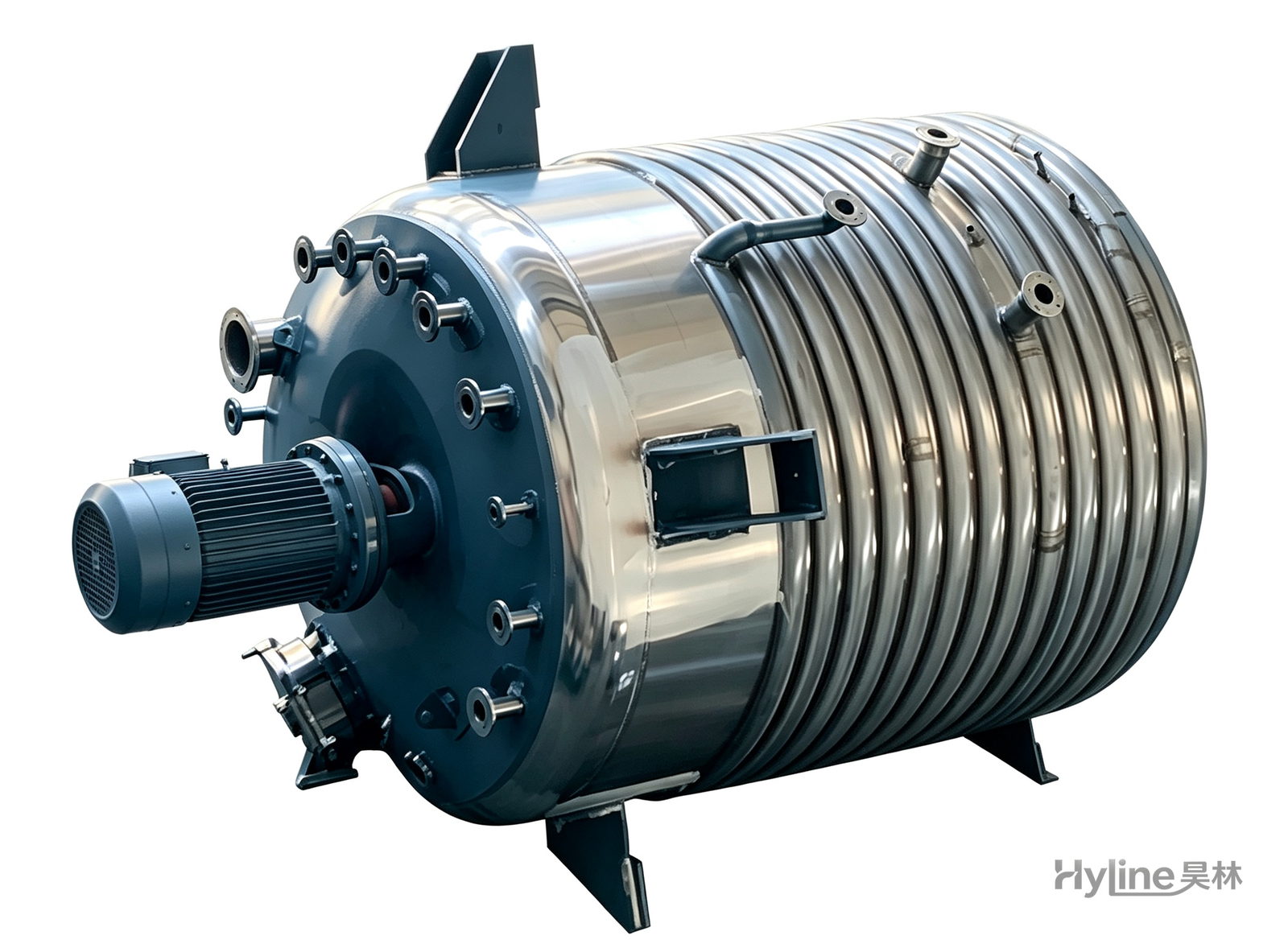
External Half-Coil Reactor
External half-pipe heating & cooling coils provide uniform, efficient heat exchange with zero material dead zones inside. Mirror-polished 304/316L stainless tank is clean and corrosion-resistant. For resin, new-energy slurry and pharmaceutical synthesis.
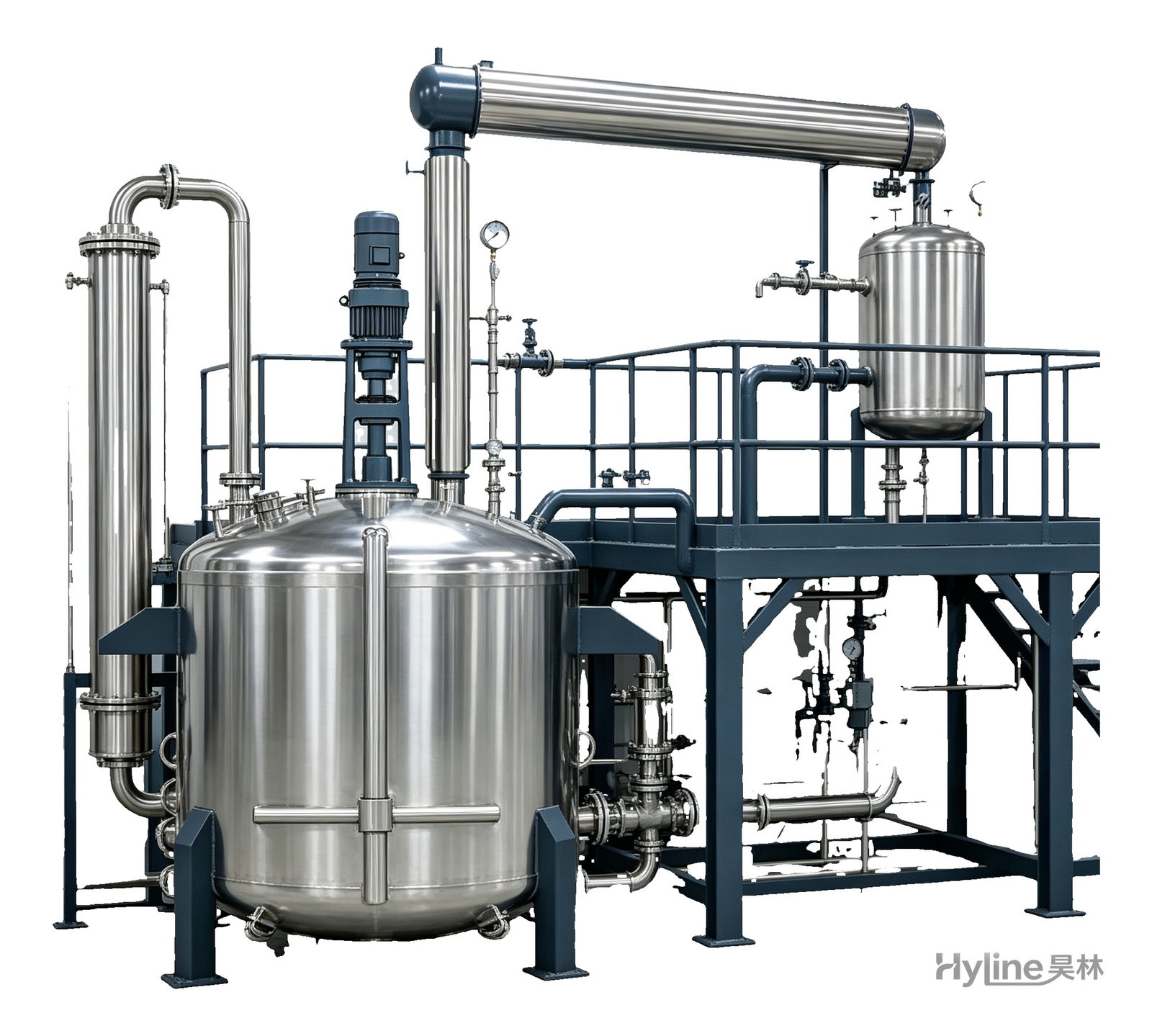
Complete Resin Production Equipment
Resin production packages built around the reactor, with vertical fractionating column, horizontal condenser and water separator for full synthesis, dehydration and reflux processes. Sizes from 300L to 30000L.
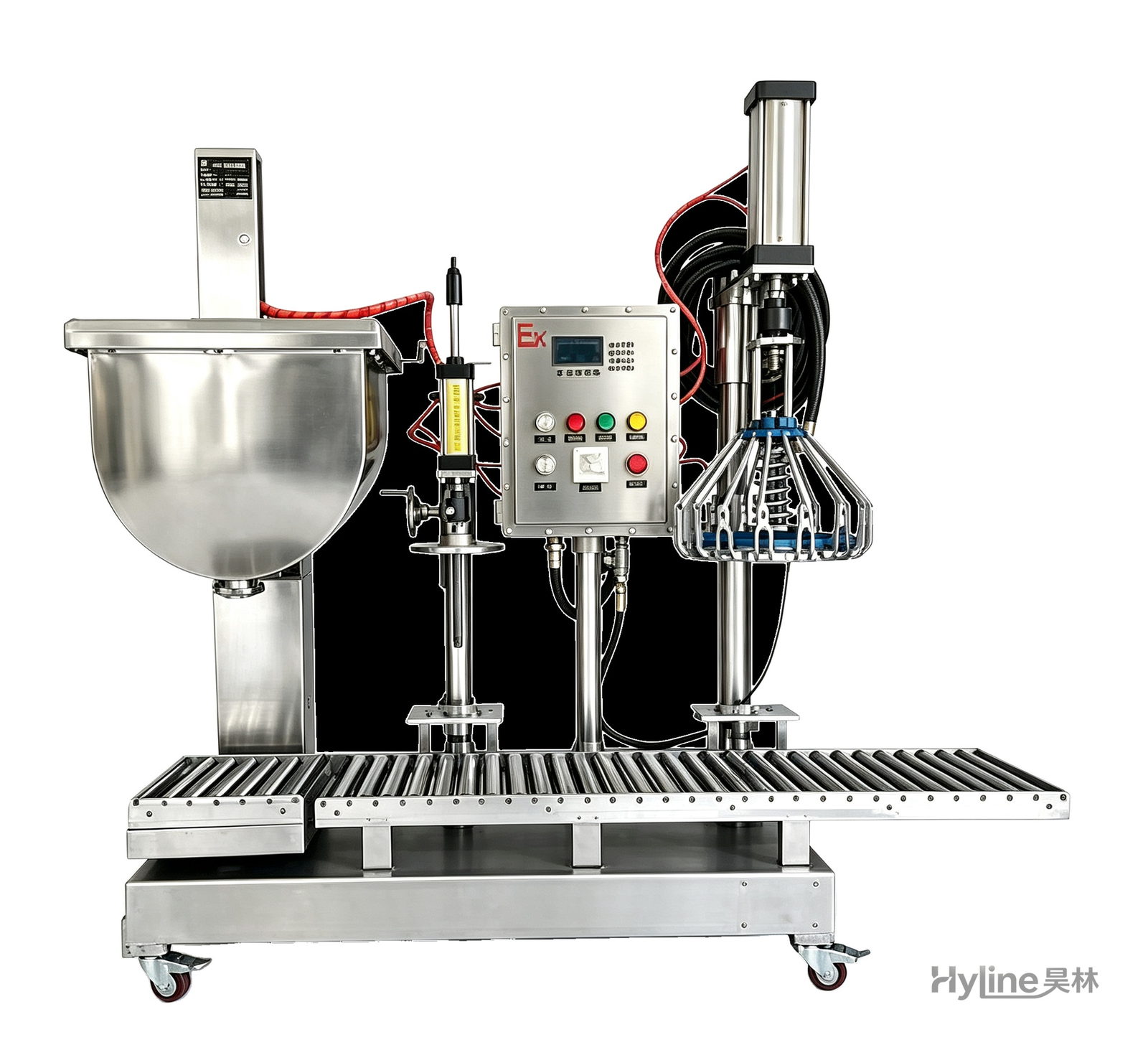
Weighing Semi-Automatic Filling Machine
Designed for frequent packaging changes with dual capping. European weighing technology with Siemens PLC: automatic feed speed adjustment and precision correction, triple protection (emergency stop/power-off/tank removal), explosion-proof fittings.
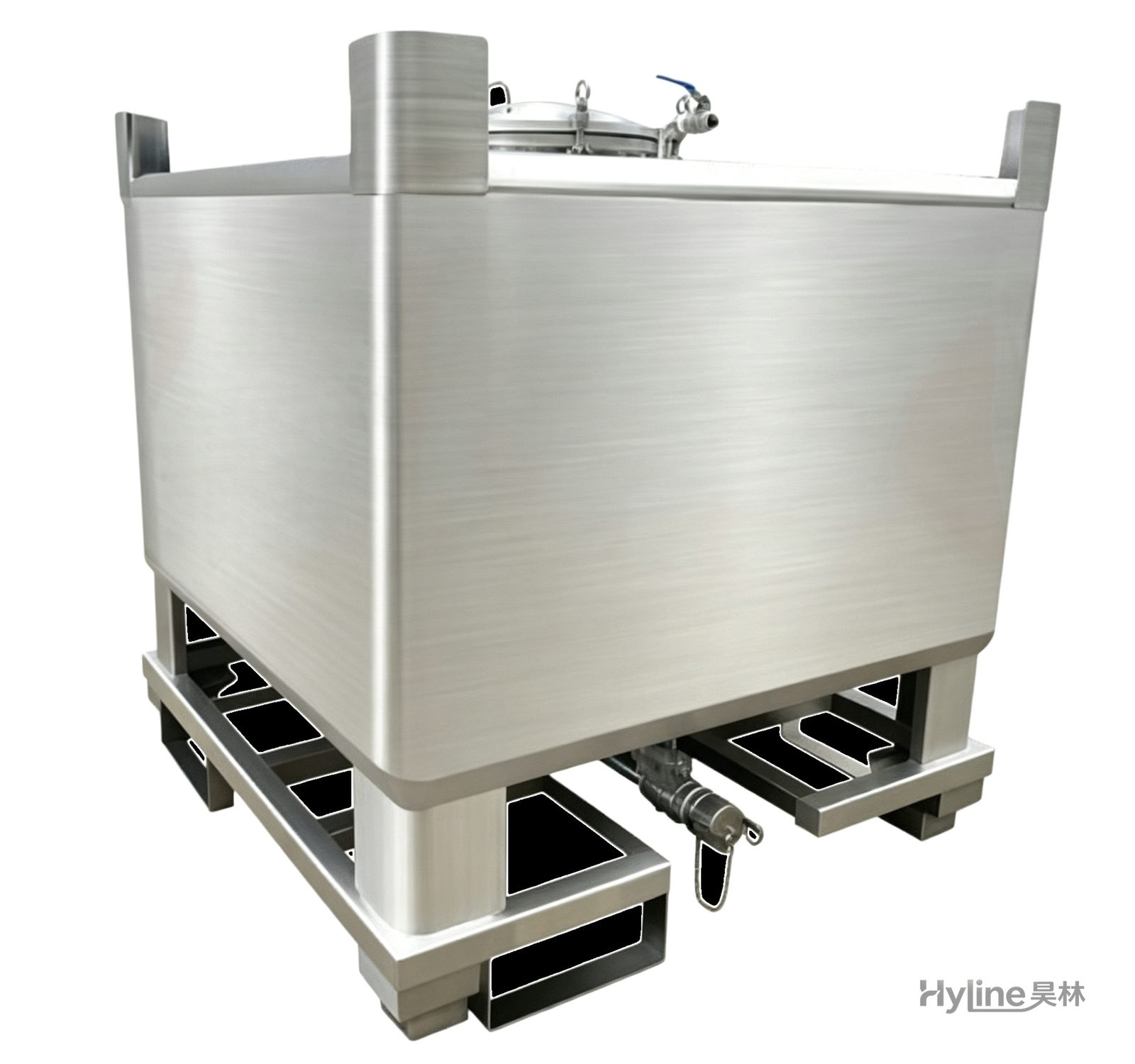
IBC Tank (Intermediate Bulk Container)
HDPE blow-molded liner with hot-dip galvanized steel frame - UV resistant, anti-aging, easy to clean, non-toxic. Four-way fork base for easy handling and stacking; ideal for liquid storage and transport.