How to choose a high-speed disperser for the paint and ink industry? Dispersion disk and power determined by viscosity and tank diameter
10/9/2026
How to choose a high-speed disperser for the paint and ink industry? Dispersion disk and power determined by viscosity and tank diameter
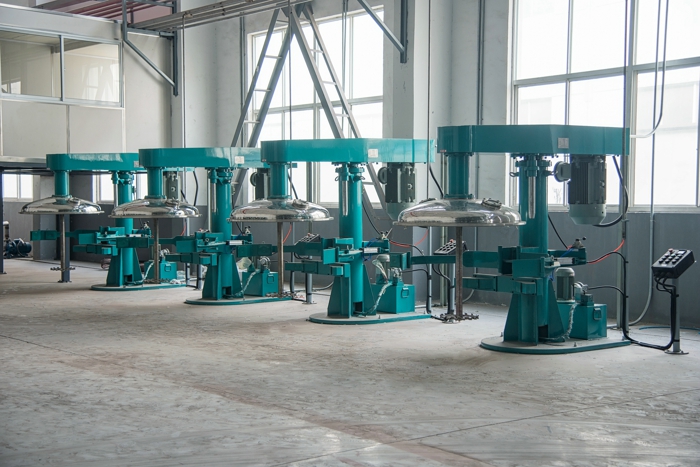
In paint, ink, and adhesive factories, [high-speed disperser]( https://hyline.cn/zh/products/fl-high-speed-disperser )It is the main equipment for mixing and dispersing powder and liquid. If the selection is wrong, either the fineness cannot be improved, the motor is overloaded, or the tank diameter and disc diameter do not match and cannot be stirred to the edge. Firstly, the conclusion is that when selecting, it is important to consider five factors - material viscosity, tank or barrel diameter, dispersion disk diameter, linear velocity, and motor power - step by step in order to avoid making major mistakes. This article explains the selection steps and common pitfalls based on typical working conditions such as coatings and inks.
###What parameters determine the specifications of a high-speed disperser?
There are five core parameters that determine the specifications of a high-speed disperser: processing viscosity, working volume, dispersion disc diameter, speed range, and motor power. These five parameters are interrelated, viscosity determines the model range, tank diameter determines disk diameter, disk diameter and linear velocity determine speed, and load determines power. It is meaningless to look at any number alone, for example, even if the power is high or the disk diameter and tank diameter do not match, they will still be unevenly dispersed. So the selection should follow the steps, first determine the model, then determine the size, and finally check the power.
###Step 1: Determine the machine type based on the viscosity of the material
Different viscosity materials require different specifications of dispersers. A single axis high-speed disperser is generally used for low viscosity liquids, with high rotational speed and fast linear speed, suitable for thin materials such as colorants and varnishes; Medium to high viscosity materials should be of strong or biaxial type, with low rotational speed but high torque, such as thick paste, putty, silicone adhesive and other paste like materials; High viscosity and vacuum defoaming scenarios require the use of a vacuum disperser( https://hyline.cn/zh/products/fl-vacuum-disperser )Disperse while vacuuming to avoid residual bubbles. The viscosity data is the first input for selection. If you are unsure, choose "higher than lower". The nominal viscosity value is taken from the most viscous state of the material.
|Material status | Viscosity reference | Model direction||---|---|---||Dilute liquid, color paste | Below 5000 centipoise | Single axis high-speed disperser||Medium viscosity, thick paste | 5000-50000 centipoise | Strong disperser, biaxial||Paste like, high viscosity | above 50000 centipoise | planetary engine, strong machine coordination|
###Step 2: Determine the diameter of the dispersion disk according to the diameter of the tank and the barrel
The diameter of the dispersing disk should match the diameter of the tank, usually about one-third of the tank diameter, so that the edge line speed of the dispersing disk is high enough to cover most of the area inside the tank. For example, a can with an inner diameter of 1200 millimeters would be more suitable with a dispersion disk of around 400 millimeters; The tank diameter is too small and the disc diameter is too large, causing the material to splash during mixing; The diameter of the tank is too large and the diameter of the plate is too small, and the material at the edges cannot be dispersed. Paint factories commonly use interchangeable cans or multiple cans per machine mode, and the matching tray should be determined according to the largest can. For small cans, detachable trays are used, and manufacturers usually provide two or three specifications of trays for backup.
###Step 3: Set the speed range according to the linear velocity
The dispersion effect mainly depends on the edge line speed of the dispersion disk. Generally, the line speed of paint and ink dispersion is between 18-25 meters per second. When the fineness requirement of the color paste is high, it should be moved upwards, and the pre dispersion of the pigment can be lower. The linear velocity is equal to the product of pi, disk diameter, and rotational speed. Once the disk diameter is fixed and the linear velocity requirements are determined, the range of rotational speed is deduced in reverse. Variable frequency speed regulation is standard, with low speed used for pre mixing and feeding, and high speed used for dispersion. The same tank climbs from low speed to high speed to avoid splashing out the powder at once.
###Step 4: Set the motor power according to the load
The motor power is estimated based on the total amount and viscosity of the materials. Generally, the empirical value is 11-22 kilowatts per ton for medium and low viscosity materials, and double or even more for high viscosity materials according to operating conditions. The higher the power, the better. Excessive power wastes electricity, equipment is heavy, and motors that are too small are prone to overload and tripping. The correct approach is to have the manufacturer calculate the load according to your material formula and batch quantity, and label the heaviest condition, such as the most viscous batch of material, the maximum one-time feeding amount, and power selection based on this working condition. Only then can normal production be stable.
###How to consider the lifting stroke and tank replacement?
Paint factories often use one machine for multiple purposes. The disperser is usually equipped with a hydraulic lift, and after dispersion, the shaft is lifted up to replace the tank. There are three factors to consider when selecting: whether the lifting stroke is high enough, and whether the dispersing disk can be completely lifted out of the tank mouth; The height of the rack does not match the clearance of the workshop; Can the dispersing disk deflect and make way for the convenience of forklifts or ground oxen when changing cans. The workshop should reserve operating space, including tank height, lifting height, and lifting allowance. The calculated clearance should be less than the actual height of the factory building, and both the manufacturer and the user should check this number in advance.
###How to match the working conditions of paint, ink, and adhesive?
The configuration ideas for three typical working conditions: the paint factory mainly uses a single axis high-speed disperser with a sand mill, and after dispersion, it is finely ground by the sand mill. The disperser is responsible for pre dispersion and paint adjustment; The ink factory has high requirements for the fineness of the color paste. It is equipped with variable frequency speed regulation and high linear speed configuration, and can be ground with a three roll machine or sand mill; Adhesive factories have a large viscosity range and are often equipped with strong dispersers and vacuum dispersers. Silicone adhesives also require planetary stirring. In terms of supporting facilities, the disperser should be able to work with the mixing tank( https://hyline.cn/zh/products/stainless-mixing-tank )A production line is formed by pulling cylinders and sanding machines, and the processes of feeding, dispersing, grinding, painting, and filling are linked together to achieve high efficiency.

###How does the dispersed disk structure affect the dispersion effect?
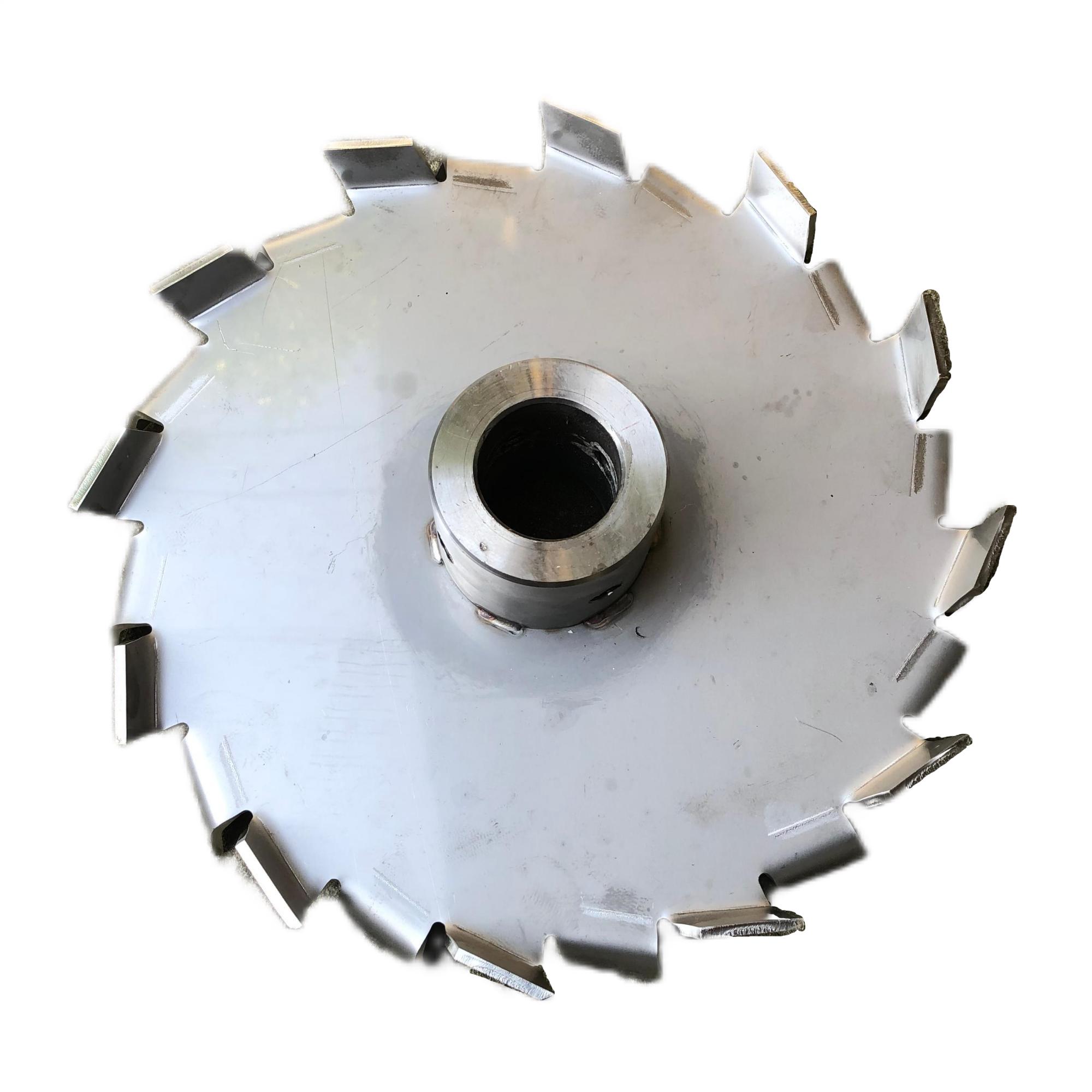
The shape of the dispersing disk varies, resulting in different cutting effects and applicable ranges. Tooth shaped dispersing disc is the most commonly used in the paint and ink industry, with teeth on the disc edge. When rotating at high speed, a strong shear zone is formed between the teeth, and the powder clumps are dispersed the fastest; Flat plate shear force is milder, suitable for homogenization of already dispersed liquid materials; Plates with baffles are suitable for high viscosity materials, reducing spinning and improving axial circulation. The number of plates is also important. Generally, a single plate is sufficient. For high tank and deep material, double-layer plates are required. The lower plate is responsible for flipping the bottom material up, while the upper plate is responsible for cutting. When selecting a disc, report the viscosity of the material to the manufacturer, and set the tooth shape, disc diameter, and number of layers together to ensure stable dispersion efficiency and fineness.
###How to determine explosion-proof and electrical configuration?
The solvents in the paint and ink industry are mostly flammable, and the electrical configuration of the disperser must comply with explosion-proof requirements. Explosion proof motors, explosion-proof junction boxes, and explosion-proof frequency converters are the basic configurations. The motor protection level is generally selected as IP55 or above, and the explosion-proof level is determined according to the hazardous area on site. Exd explosion-proof or Exe increased safety types are commonly used. The control cabinet should be placed in a safe area of the workshop or a separate distribution room, separated from the equipment itself. When selecting a frequency converter, attention should be paid to the low-speed and high torque characteristics. The torque requirement is high during the pre mixed climb stage, and ordinary frequency converters are prone to insufficient torque in the low-speed range. It is recommended to choose vector frequency converters or models with low-speed compensation function directly. Explosion proof configuration is not an optional accessory. Without it, it cannot pass the acceptance and safety audit for flammable material scenarios.
###Key points for installation, debugging, and acceptance
After the equipment arrives at the factory, follow three steps: installation, no-load, and material loading. The key to installation is to find the level. After leveling the rack base, lock the foundation to prevent tilting and shaking; Empty load test machine to observe smooth lifting, stable rotation of the dispersing shaft, no abnormal vibration or noise, and frequency conversion climbing step by step from low speed to high speed; Run a batch of actual materials with a material testing machine, record the dispersion time, fineness, and temperature, and compare them with the expected results. During acceptance, check the motor power, speed range, lifting stroke, and factory data, and promptly raise any discrepancies between parameters and the contract. Material acceptance is the final inspection of whether the selection is correct or not. Only when the fineness meets the standard, the time is reasonable, and the temperature is controllable, can the equipment be considered truly qualified.
###What are the common selection errors?
The three most common mistakes are made. The first one is to only report power without viscosity. The manufacturer provides a solution based on power, but the viscosity does not match and the fineness will never improve; The second issue is that the diameter of the can does not match the diameter of the disc. The large plate of the can is too small to stir to the edge, while the small plate of the can is too large and causes serious splashing; The third one is to ignore frequency conversion and lifting. The constant speed machine cannot adjust the speed when changing materials, and the lifting stroke is not enough to make it difficult to change cans. Before selecting, prepare the material viscosity, tank diameter, batch quantity, and workshop clearance, and errors can be avoided by almost half.
###What parameters should be prepared before selecting?
A list ending: material name and maximum viscosity; Single batch processing capacity and tank or barrel diameter; Target fineness and dispersion time requirements; Is vacuum, heating, or cooling necessary; Workshop clearance and ground conditions; Existing supporting equipment (cylinder, sand mill, filling machine). These parameters need to be handed over to the manufacturer for the specifications and quotation to match. If data cannot be found temporarily, estimate based on the most conservative working conditions. It is better to set up a higher level than to choose a smaller one that cannot be added later.
###How to balance multiple uses of one machine?
Paint factories often have a dispersing machine that processes multiple materials. When selecting, the "worst working condition" is taken as the benchmark: the most viscous material, the largest tank, and the finest requirement. The specifications are determined based on the highest values of these three criteria, and daily production uses variable frequency speed regulation to press down. In a workshop with frequent material changes, the dispersed trays are made into quick dismantling structures, and changing trays for different materials takes a few minutes to complete; Choose a faster model for lifting and changing tanks to reduce waiting time for refueling. The idea of balancing is to match the main specifications according to the strictest working conditions, and the auxiliary components according to the most commonly used working conditions. Only when both are met can there be no "big horse pulling small car" or "small horse pulling big car".
###Summary
The selection of high-speed disperser is based on four steps: determining the type of machine according to viscosity, determining the disk diameter according to tank diameter, determining the speed according to linear velocity, and determining the power according to load, and then checking the lifting stroke and workshop conditions. The configuration ideas for coatings, inks, and adhesives have their own focuses. Before selecting, prepare all six parameters, and you will not make a wrong choice. For customized dispersers, vacuum dispersers, and matching mixing tanks according to working conditions, non-standard configurations can be made based on material parameters.
Extended reading:-How to choose high viscosity material mixing equipment: comparison between planetary machine, double axis machine and disperser( https://hyline.cn/zh/technology/high-viscosity-mixing-equipment-selection )-How to choose a sand mill: vertical, horizontal, and basket type according to fineness requirements( https://hyline.cn/zh/technology/sand-mill-selection-guide )
This article is organized by Haolin Shengda Equipment Manufacturing Co., Ltd. (HYLINE. cn), and the ownership of the information belongs to the original author. Our main products include stainless steel reaction vessels, mixing tanks, storage tanks, dispersers, concentration tanks, and chemical production line accessories, supporting non-standard customization.
Q&A from this article
Frequently asked questions and answers from this article
How to choose a high-speed disperser for the paint and ink industry? This article provides selection criteria based on four steps: viscosity, tank diameter, linear speed, and power, to help customers determine the specifications of the dispersing disc and motor.
Related Products
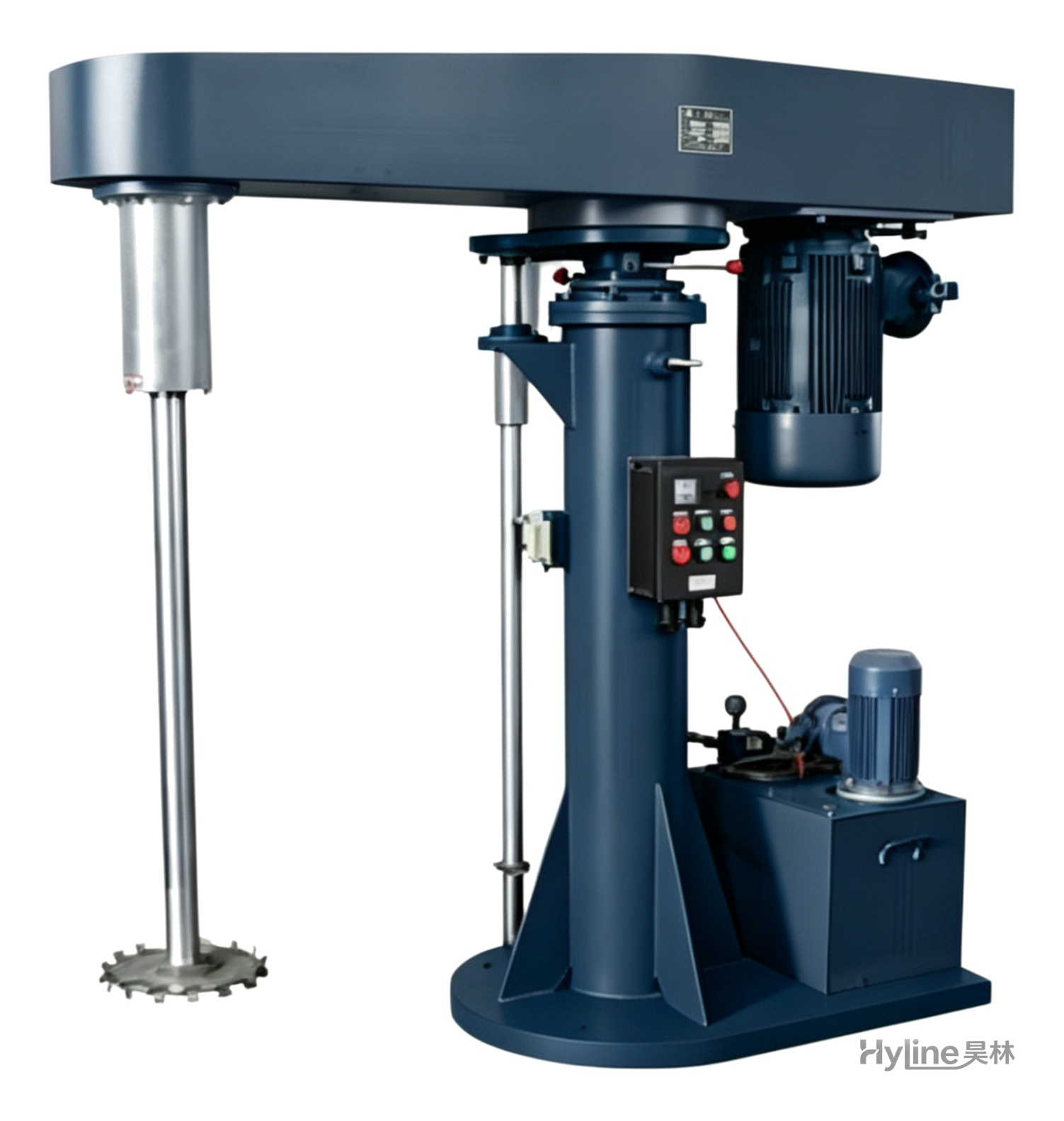
FL Series High-Speed Disperser
Stirs, dissolves and disperses liquids and powders, working alone or matched with sand mills. Variable-frequency drive with hydraulic lift, widely used in paints, inks, coatings, dyestuffs and papermaking.
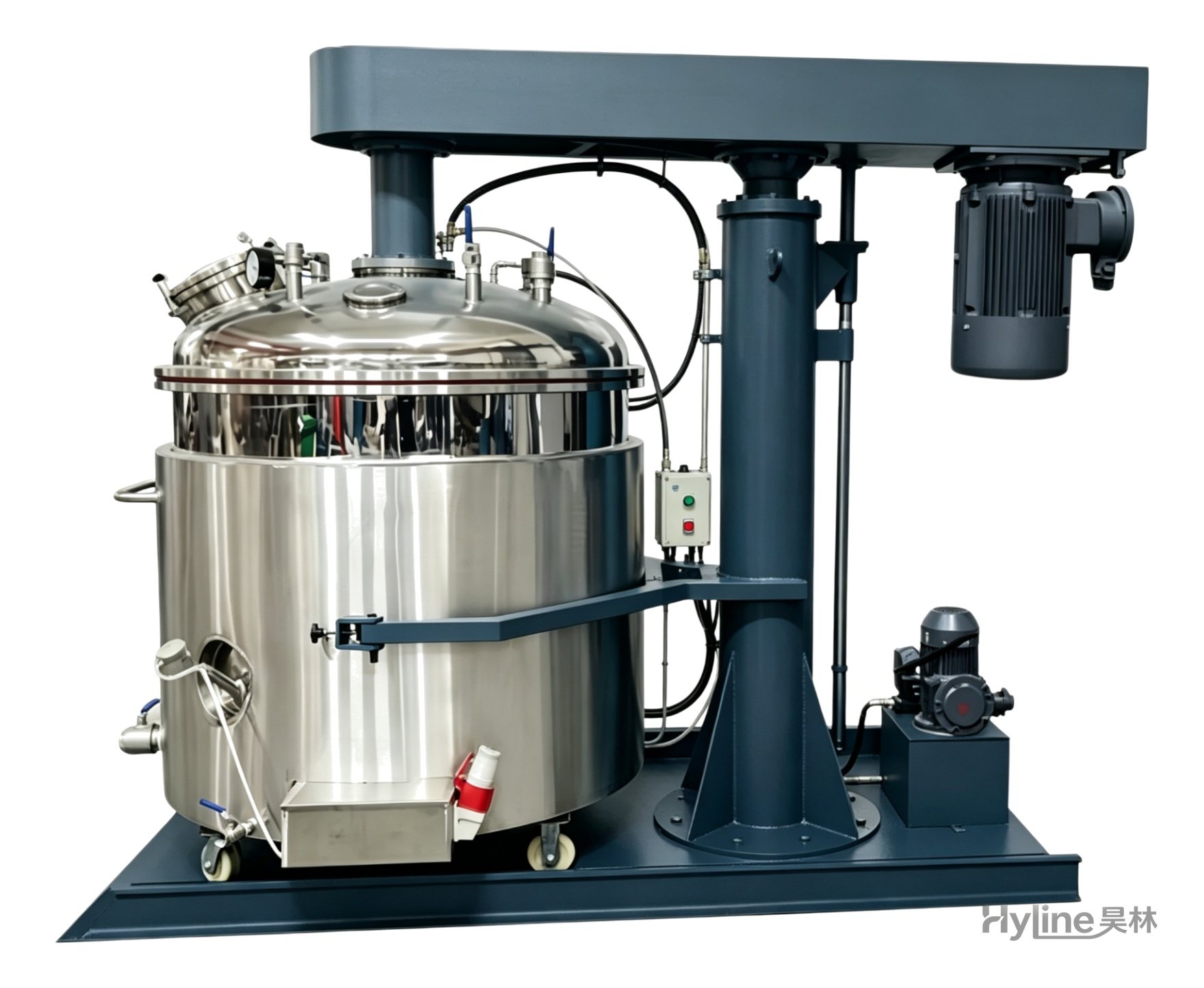
FL Series Vacuum Disperser
Designed for bubble-rich materials and volatile solvents. Vacuum dispersion reduces bubbles and solvent evaporation, accelerates fineness and rapidly defoams. Simple structure, high vacuum, easy operation.
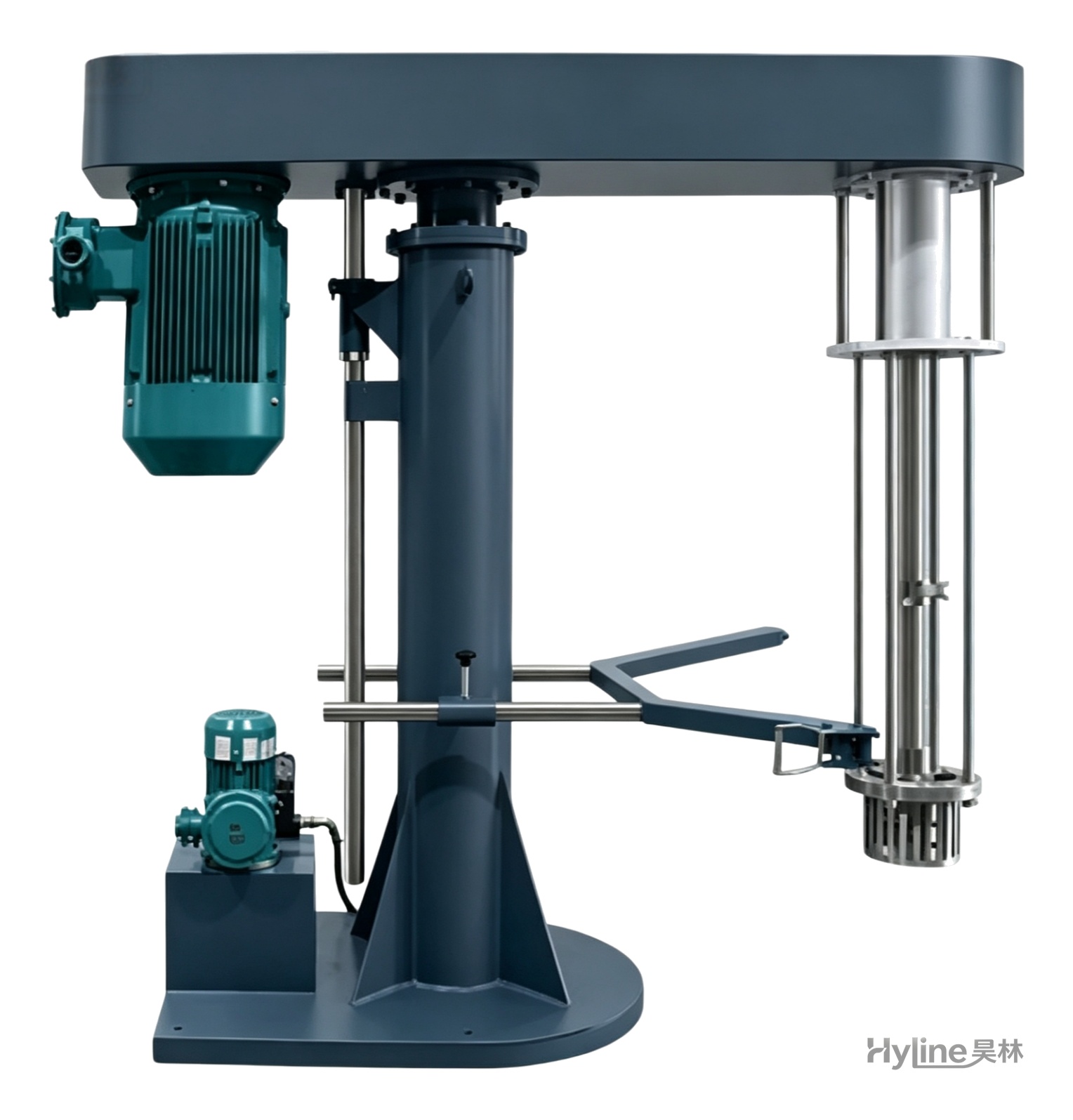
GJD Series Emulsifying Disperser
For emulsification, mixing and dispersion in coatings, inks, pesticides and papermaking. Powerful high-speed shear achieves required fineness and uniformity in a short time.
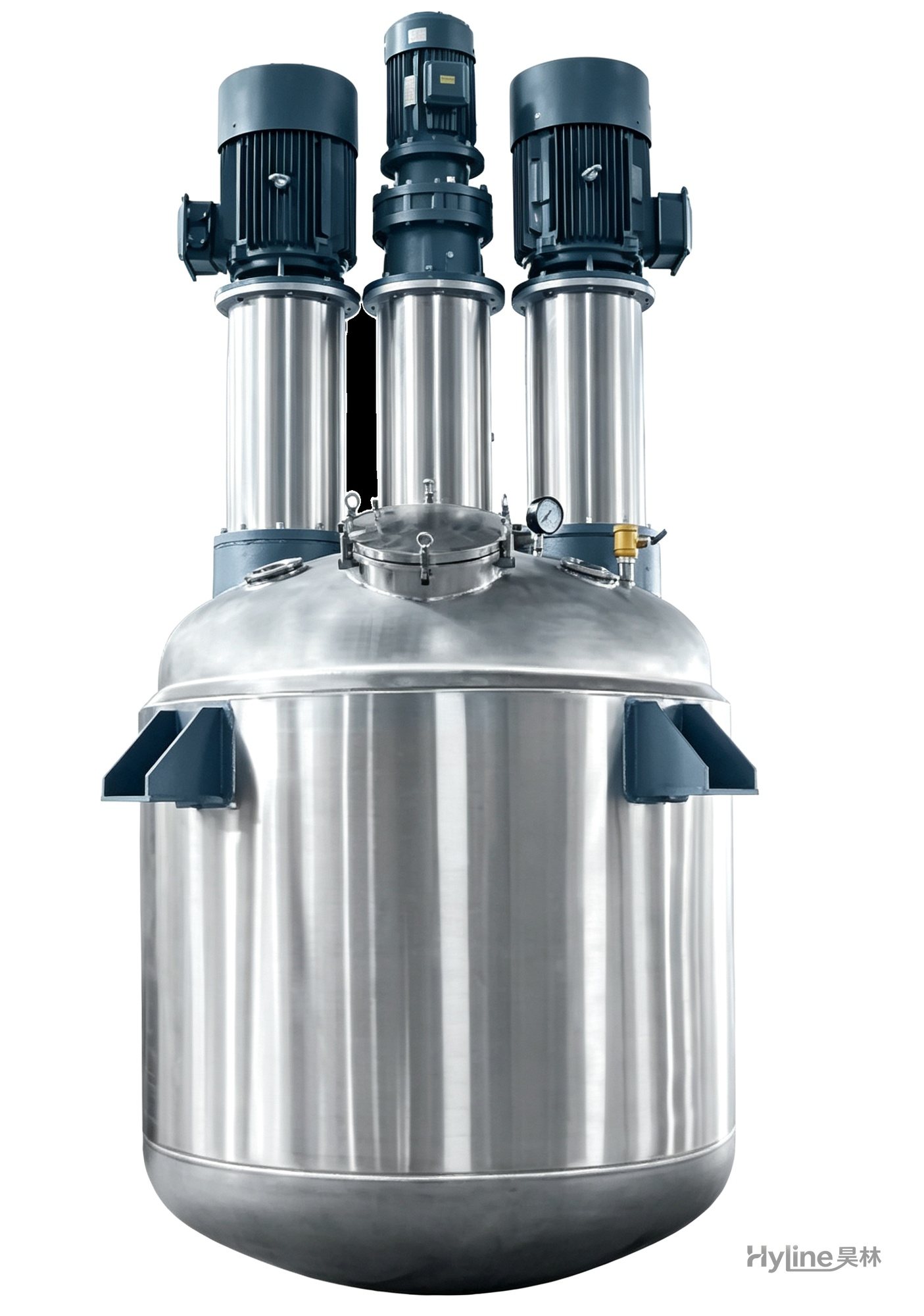
FS Series Multifunctional Dispersing Kettle
Integrates low-speed heavy-duty stirring with high-speed dispersion for medium/high-viscosity and thixotropic materials. Stirring and dispersion proceed simultaneously for ideal results in mixing, dissolving, dispersing and tinting.
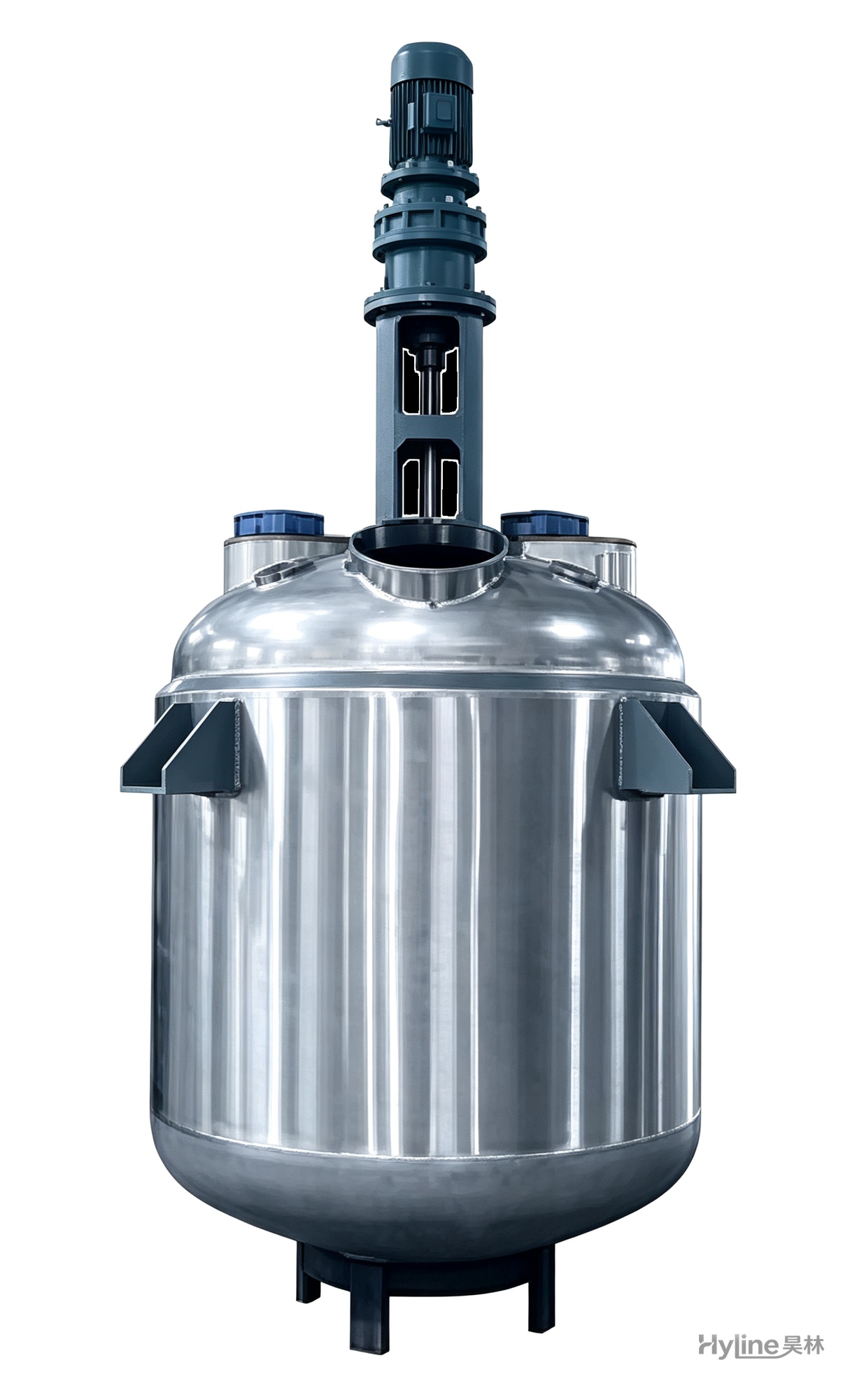
HS Series High-Speed Dispersing Vessel
Specially for dissolving, mixing and dispersing coating materials. The shear force and high speed of the dispersion disc deliver excellent solid-liquid dispersion and homogenization.
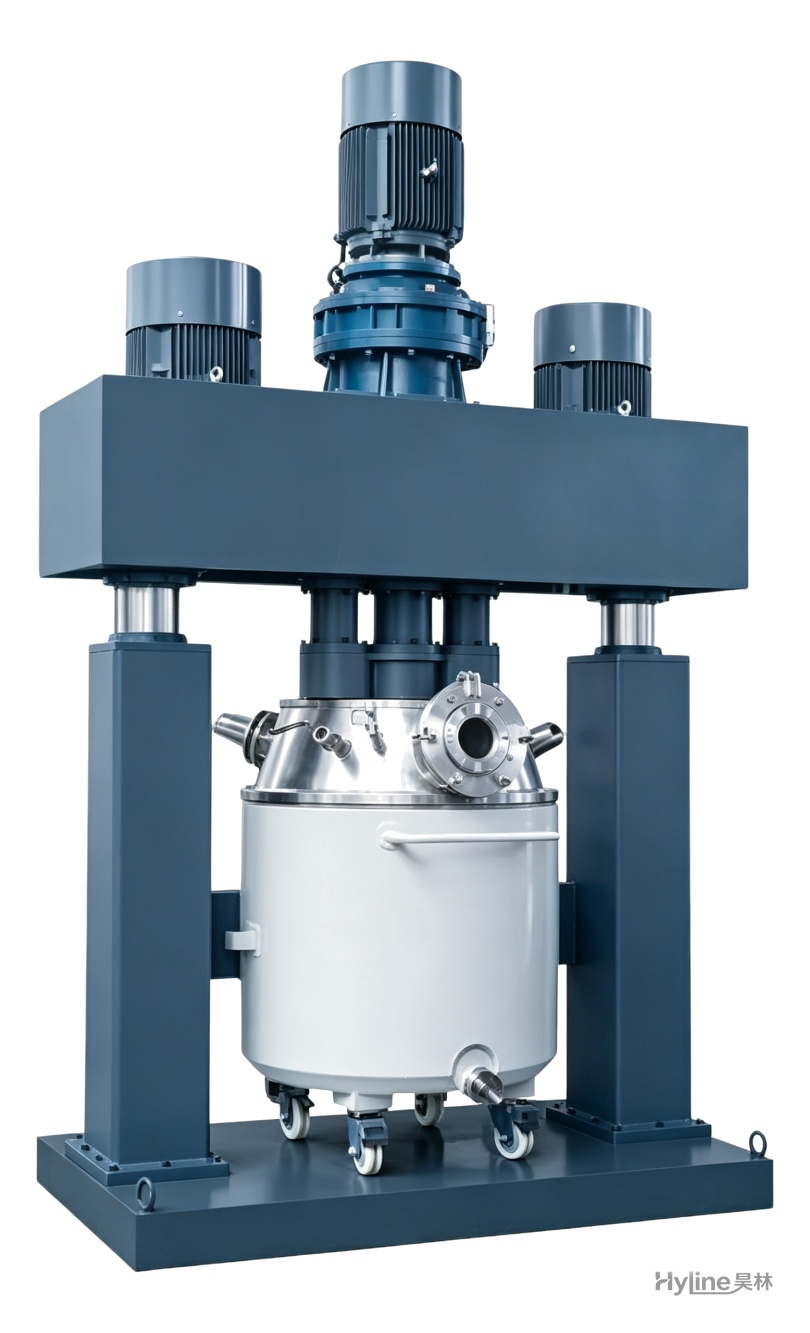
QLF Series Powerful Triple-Shaft Disperser
Two high-speed dispersers plus wall/bottom scraping create complex material flow for rapid dispersion and grinding. Handles high-viscosity pastes of 10,000-2,000,000 cps - widely used for silicone sealants, PU sealants, liquid silicone and electronic adhesives.