
How to Select a Stainless Steel Reactor for the Pharmaceutical Industry? GMP Cleanliness Requirements and Material Configuration Points
10/18/2026
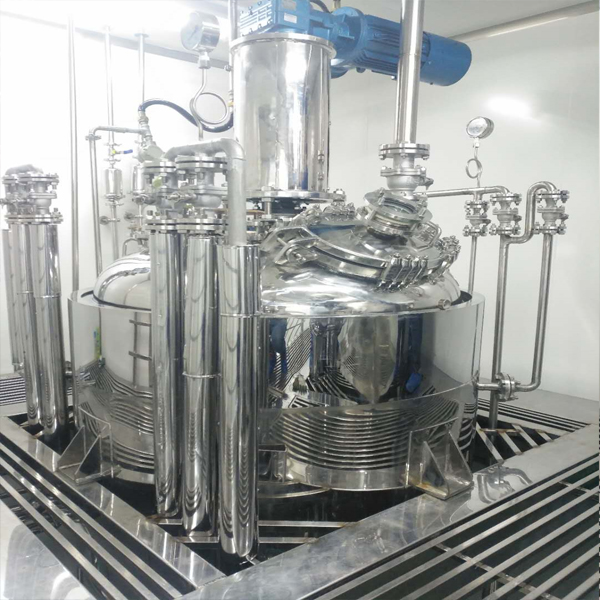
A stainless steel reactor is the core vessel in pharmaceutical production: in API synthesis lines it carries reactions such as condensation, crystallisation and stripping; in formulation lines it is used for dissolution, mixing and homogenisation. Unlike general industrial reactors, pharmaceutical reactors are audited: raw materials, contact surfaces, cleaning and validation records are all part of GMP inspection. If the reactor is selected only by volume and motor power, problems usually surface at inspection: inner-wall roughness fails the acceptance standard, the mechanical seal leaks and contaminates the product, and cleaning dead zones make cleaning validation impossible to pass. Based on common GMP requirements, this article explains material configuration, surface finish, sealing and cleaning design so that the selected reactor passes the audit and runs reliably in production.
What are the GMP clean-room requirements for a reactor?
One-sentence conclusion: GMP focuses on the contact surface, the sealing system, cleanability and traceability; the reactor must be non-toxic, non-adsorbing, easy to clean and able to provide qualified validation records.
The four points are as follows. First, the material contacting the product must not release impurities under the medium and temperature conditions, so the wetted parts are usually made of 316L stainless steel, and materials of special mediums are selected with the compatibility test data. Second, the inner surface should be smooth and easy to clean, with no dead zones such as dead legs in pipes, and dead angles at weld roots and under flanges should be minimised. Third, the sealing system must prevent external contamination: mechanical seals or diaphragm seals are generally required for the agitator shaft, and gaskets should be made of clean materials that meet requirements. Fourth, all process data should be traceable: temperature, pressure, stirring speed and other parameters recorded by instruments should be exportable, providing evidence for batch records and validation.
316L or 304? How to choose the material of the wetted parts?
One-sentence conclusion: the wetted parts of pharmaceutical reactors generally use 316L; 304 is only suitable for mild mediums such as pure water or organic solvents with low corrosiveness, and the choice must be confirmed by the compatibility of the specific formula.
The basis is as follows. 316L contains molybdenum and has better resistance to chlorides and acid corrosion, and its carbon content is low (≤0.03%), which reduces the risk of sensitisation and intergranular corrosion during welding; 304 has lower cost but weaker chloride resistance, and is commonly seen in pure-water systems and mild organic conditions. For formulations containing chloride ions or acidic/basic media at temperature, 316L is the general choice; if the formulation contains strong acids, strong bases or halides at high temperature, a corrosion-resistant alloy or glass-lined equipment is selected with the compatibility test data. The inner-wall roughness of the wetted surface is generally Ra≤0.4-0.8 μm; the inner surface of the contact part is polished, and the weld joint is ground flush. The material certificate and the chemical composition report should be archived together with the equipment, which is the material basis for GMP inspection.
Why is the mechanical seal of the agitator the focus?
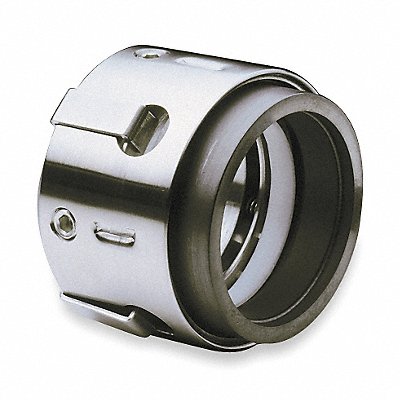
One-sentence conclusion: the agitator shaft is the only moving part that penetrates the vessel; its seal directly determines whether foreign matter enters the product, and a mechanical seal or diaphragm seal is generally required under GMP.
During the reaction, the shaft rotates and the pressure in the vessel fluctuates; a stuffing-box seal tends to leak and the packing particles may fall into the medium, while a mechanical seal forms a sealing pair through the end faces, with low leakage, and is the common configuration. For flammable, explosive or highly toxic mediums, a double mechanical seal is generally used, and the seal chamber is pressurised with barrier fluid and a leakage alarm is fitted; for highly clean aseptic processes, a diaphragm seal can be selected to isolate the medium from the outside. After the agitator shaft, the other penetration points also need attention: the thermometer, pressure gauge, feed and discharge nozzles should all use sanitary connections, and the flange gaskets should be made of PTFE, EPDM or silicone materials that meet requirements, with no degradation or particle shedding under the medium.
How to match the vessel volume with batch production?
One-sentence conclusion: the vessel volume is determined by the batch size, the loading coefficient and the headroom; it is generally calculated as batch volume divided by the loading coefficient, and a 10%-20% margin is reserved for fluctuations.
The commonly used loading coefficient of a stirred reactor is 0.6-0.8; the bottom outlet, stirring and heating surface should be calculated with this coefficient. Take a 1 m³ working volume as an example: with a coefficient of 0.7, the nominal volume is about 1.4 m³; the actual batch weight, the capacity of the downstream and upstream equipment, and the cleaning and turnover rhythm of the whole line should be balanced. For pharmaceutical production, the batch size is usually fixed by the recipe; if the batch changes frequently, two or three vessels of different sizes are often configured rather than a single oversized vessel, because an oversized vessel brings insufficient stirring and evaporation of the solvent, while an undersized vessel needs to be filled in two batches, which increases the cleaning workload. The heat exchange surface also follows the volume: the jacket area should meet the heating and cooling rate required by the process, otherwise the temperature rise and fall are slow and the batch time is prolonged.
| Batch volume (working) | Loading coefficient | Reference nominal volume | Main matching points |
|---|---|---|---|
| 0.5 m³ | 0.7 | About 0.7 m³ | Small-batch formulation, fast cleaning |
| 1 m³ | 0.7 | About 1.4 m³ | Medium API synthesis, temperature control |
| 2 m³ | 0.7 | About 2.9 m³ | Large batches, heating/cooling surface matching |
How to design cleaning and CIP for a pharmaceutical reactor?
One-sentence conclusion: cleanability is a GMP hard requirement; CIP spray, low-position drain and smooth inner wall should be designed together, and cleaning validation is part of the acceptance.
Design points. First, install CIP spray balls or a spray device at the top of the vessel, with the coverage radius matching the vessel diameter and height, to fully wash the wall and the bottom outlet. Second, the bottom outlet uses a bottom discharge valve with a sanitary structure; the pipeline is short and sloped with no dead legs, and the drain point of the lowest position is separate. Third, the inner surface is smooth: after welding, the weld joints are polished to the same roughness as the parent material, and the corners are rounded where possible. Fourth, for cleaning validation, it is recommended to provide sampling points for rinse water and swab sampling positions, and to combine conductivity, pH or total organic carbon (TOC) monitoring as online indicators. When the reactor is configured, the cleaning records should be generated by the control system so that they can be exported as validation evidence.
How to match instruments and control?
One-sentence conclusion: the temperature, pressure, stirring speed and liquid level of the pharmaceutical reactor should be measured with sanitary instruments and the data should be traceable; the control scheme is determined by the process requirements.
For temperature measurement, a double-Pt100 or sanitary temperature transmitter is generally used, inserted into a thermowell, with the measuring element not exposed to the medium; for pressure, a diaphragm seal pressure transmitter is common for clean conditions; for stirring, frequency conversion control is generally configured, and the speed is set by the recipe and recorded. If the process requires reflux, a condenser is fitted on the top of the vessel and the condensed liquid returns; if vacuum or nitrogen protection is required, the vacuum pipeline and nitrogen line are each fitted with filters and check valves. The batch control system can store the recipe parameters and generate the batch report; when selecting, the interface protocol and data export format should be confirmed in advance to meet the audit requirements.
What should the technical agreement cover?
One-sentence conclusion: the reactor configuration must be fixed in the technical agreement — material, roughness, sealing form, CIP and control interfaces — so that the acceptance basis is clear and disputes at the audit stage are avoided.
The agreement should list: the material grade of the wetted parts and the certificate requirements; the inner-wall roughness and the polishing standard; the seal form, the barrier fluid and the alarm requirements; the CIP spray layout and the cleaning acceptance indicators; the instrument list, the control function list and the data export format; and the scope of the factory acceptance test (FAT) and the on-site validation support. In addition, the specific formula compatibility should be confirmed with the medium test data rather than judged by experience; for vessels for new products, a small-scale trial can be added before the full-size equipment is manufactured. Only when these items are written into the agreement can the reactor selected at the procurement stage pass the GMP audit smoothly.
Further reading
- How to Select the Agitation and Seal of a Reactor? Stirring Form, Speed and Sealing Points
- How to Deal with the Surface of Stainless Steel Equipment? Passivation and Electropolishing Points
This article is provided by Haolin Shengda Equipment Manufacturing Co., Ltd. (hyline.cn). Main products: stainless steel reactors, mixing tanks, storage tanks, dispersers, concentrators and complete chemical line supporting equipment; non-standard customization supported.
Q&A from this article
Frequently asked questions and answers from this article
One-sentence conclusion: the temperature, pressure, stirring speed and liquid level of the…
Related Products
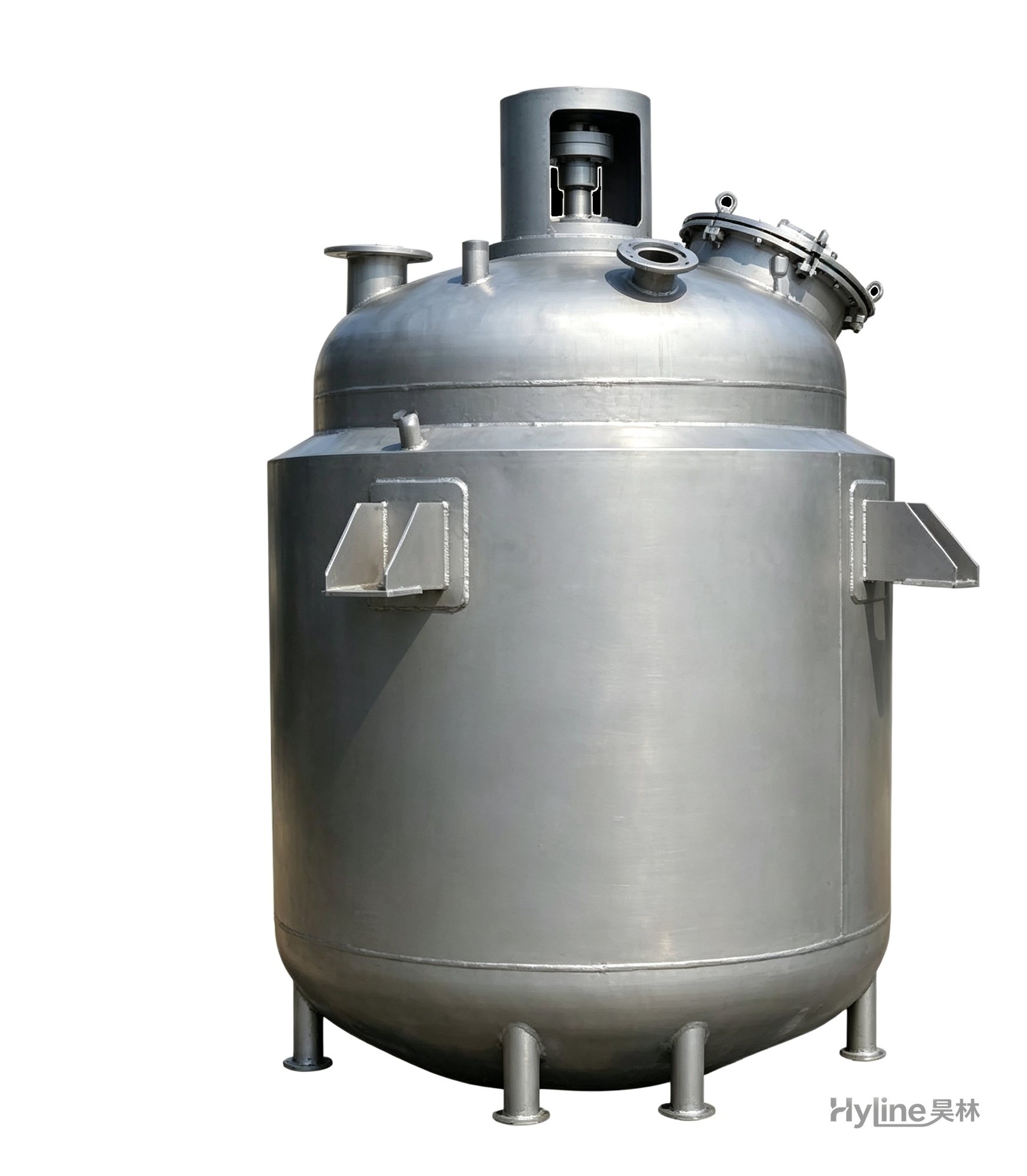
Jacketed Reactor
The typical main reaction vessel in chemical production. Mixing, heating and cooling disperse and mix materials for reaction and polymerization. The jacket circulates thermal oil/steam for heating or cooling water for temperature control.
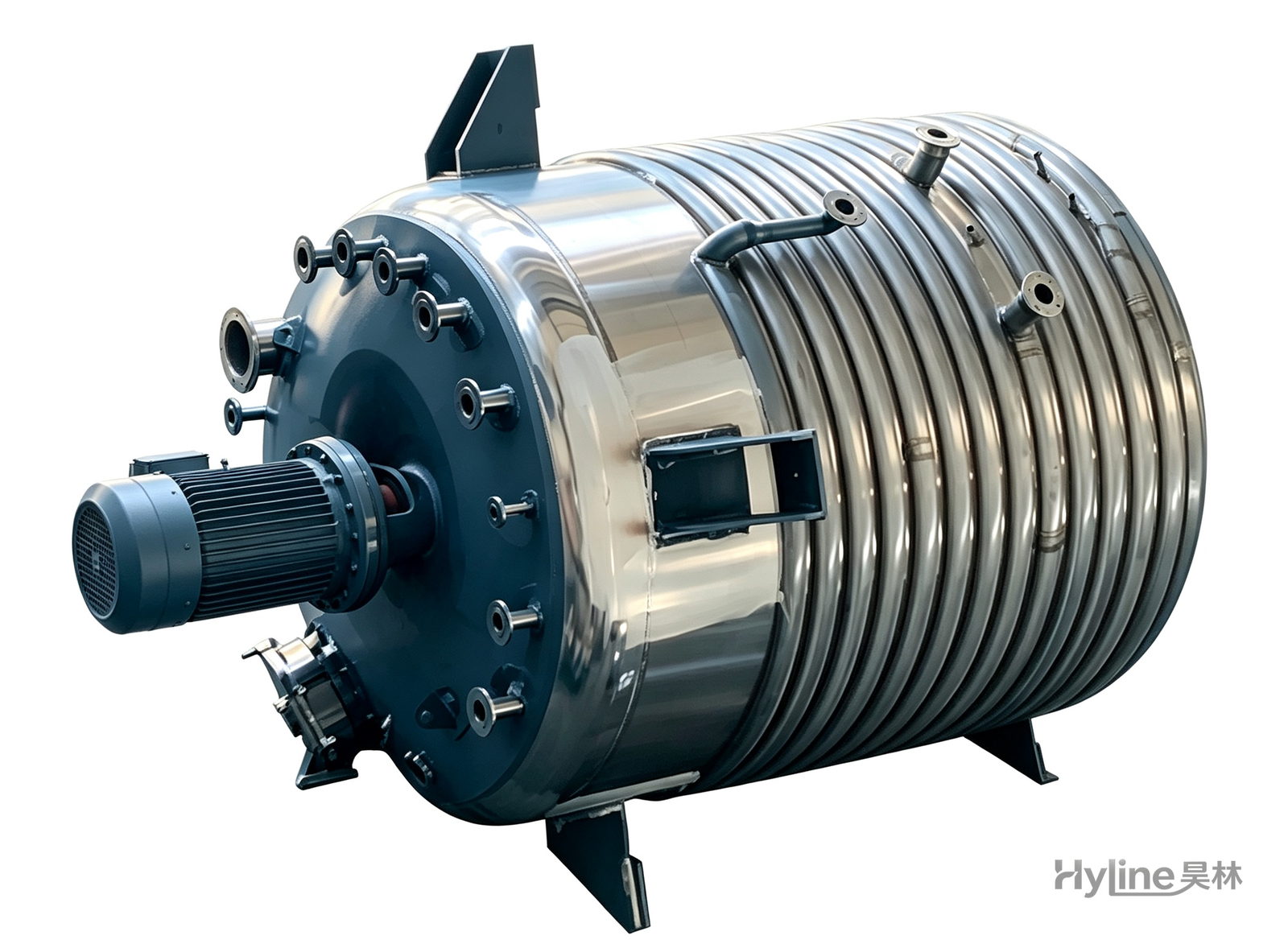
External Half-Coil Reactor
External half-pipe heating & cooling coils provide uniform, efficient heat exchange with zero material dead zones inside. Mirror-polished 304/316L stainless tank is clean and corrosion-resistant. For resin, new-energy slurry and pharmaceutical synthesis.
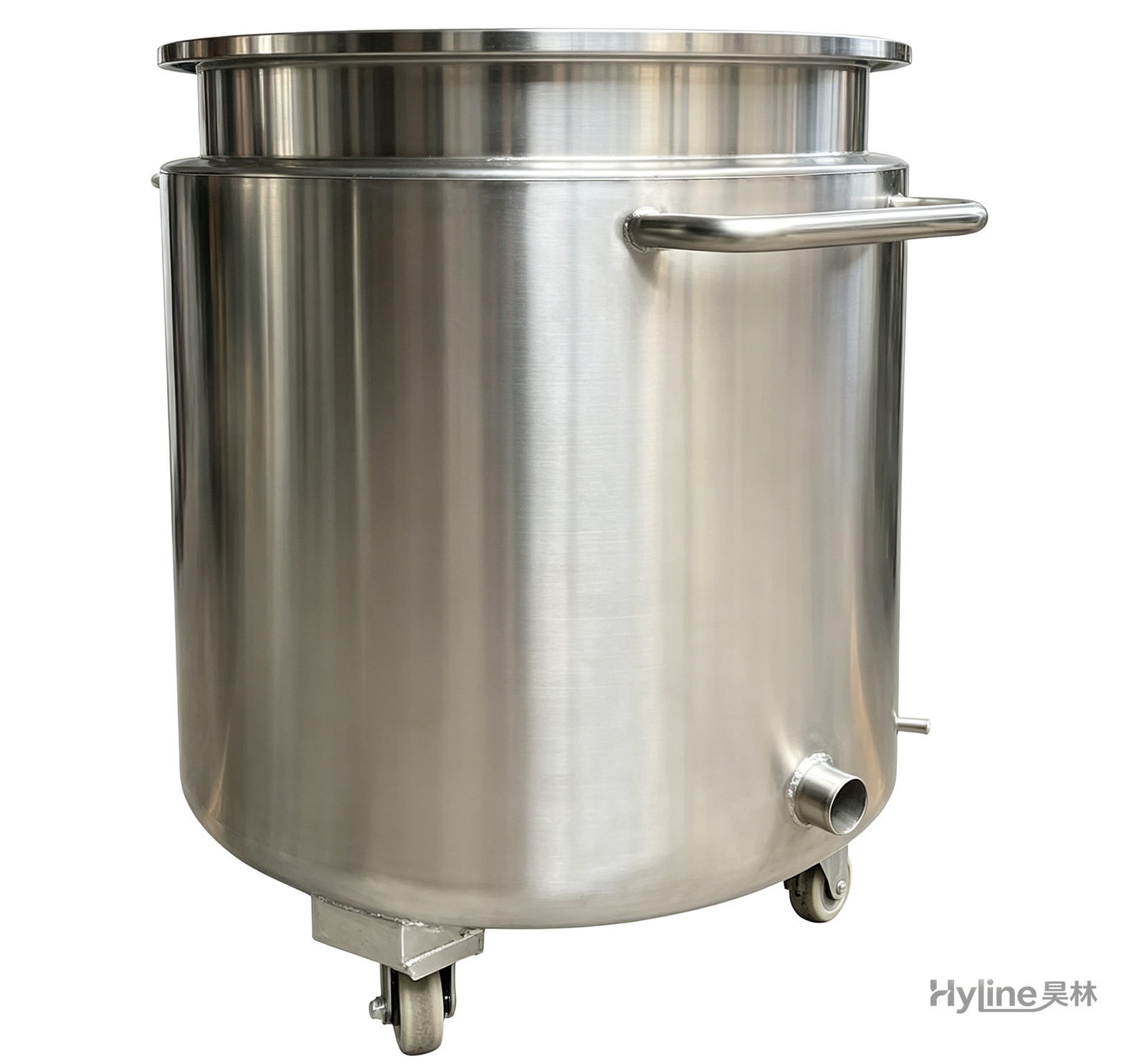
Stainless Steel Mixing Tank (Dispersion Drum)
Supporting vessel for dispersers and mixers in paints, coatings, adhesives, color slurries, inks and electronics. Available in 201/304 stainless with internal/external polishing and sloped bottom side discharge for complete draining.
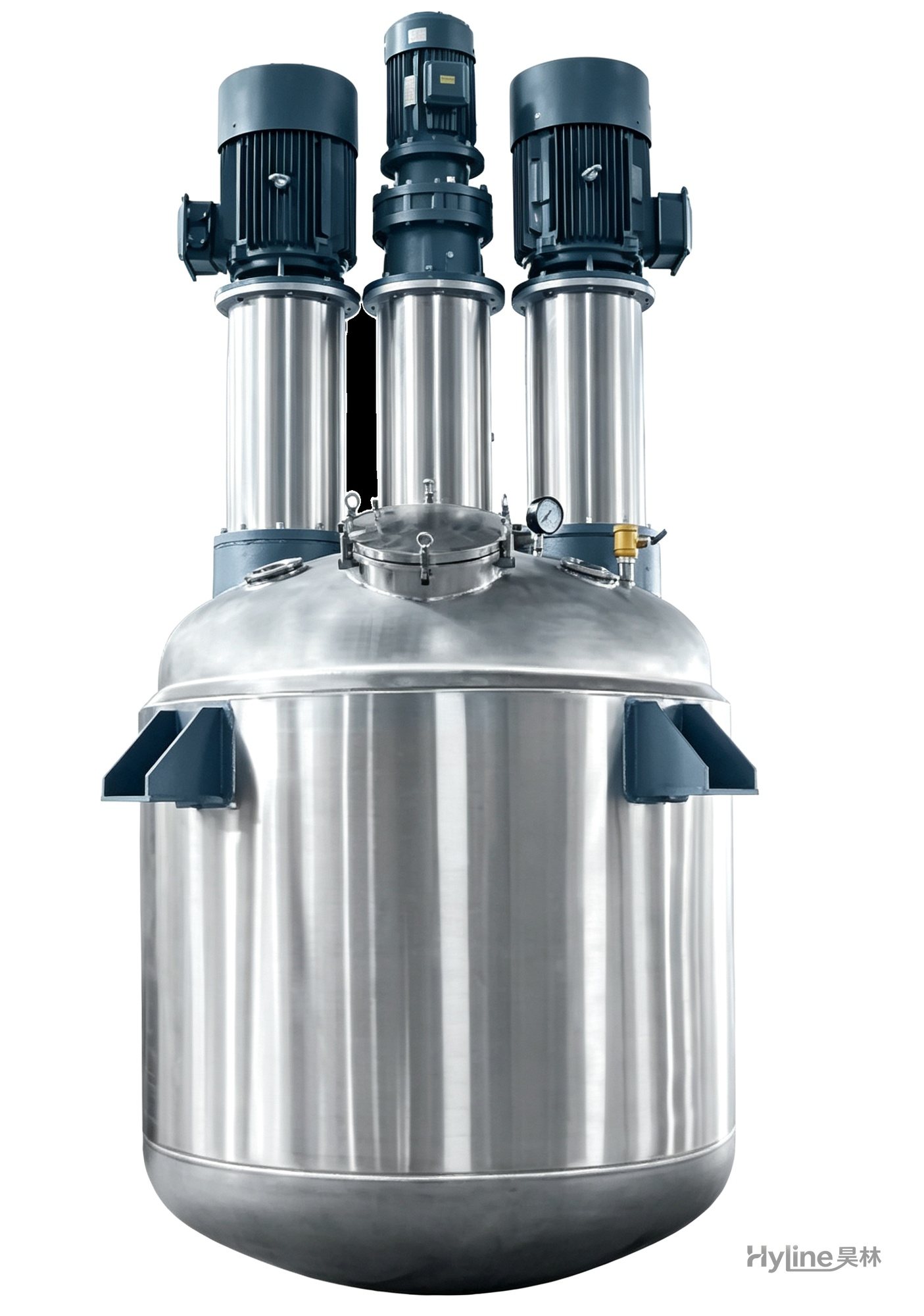
FS Series Multifunctional Dispersing Kettle
Integrates low-speed heavy-duty stirring with high-speed dispersion for medium/high-viscosity and thixotropic materials. Stirring and dispersion proceed simultaneously for ideal results in mixing, dissolving, dispersing and tinting.
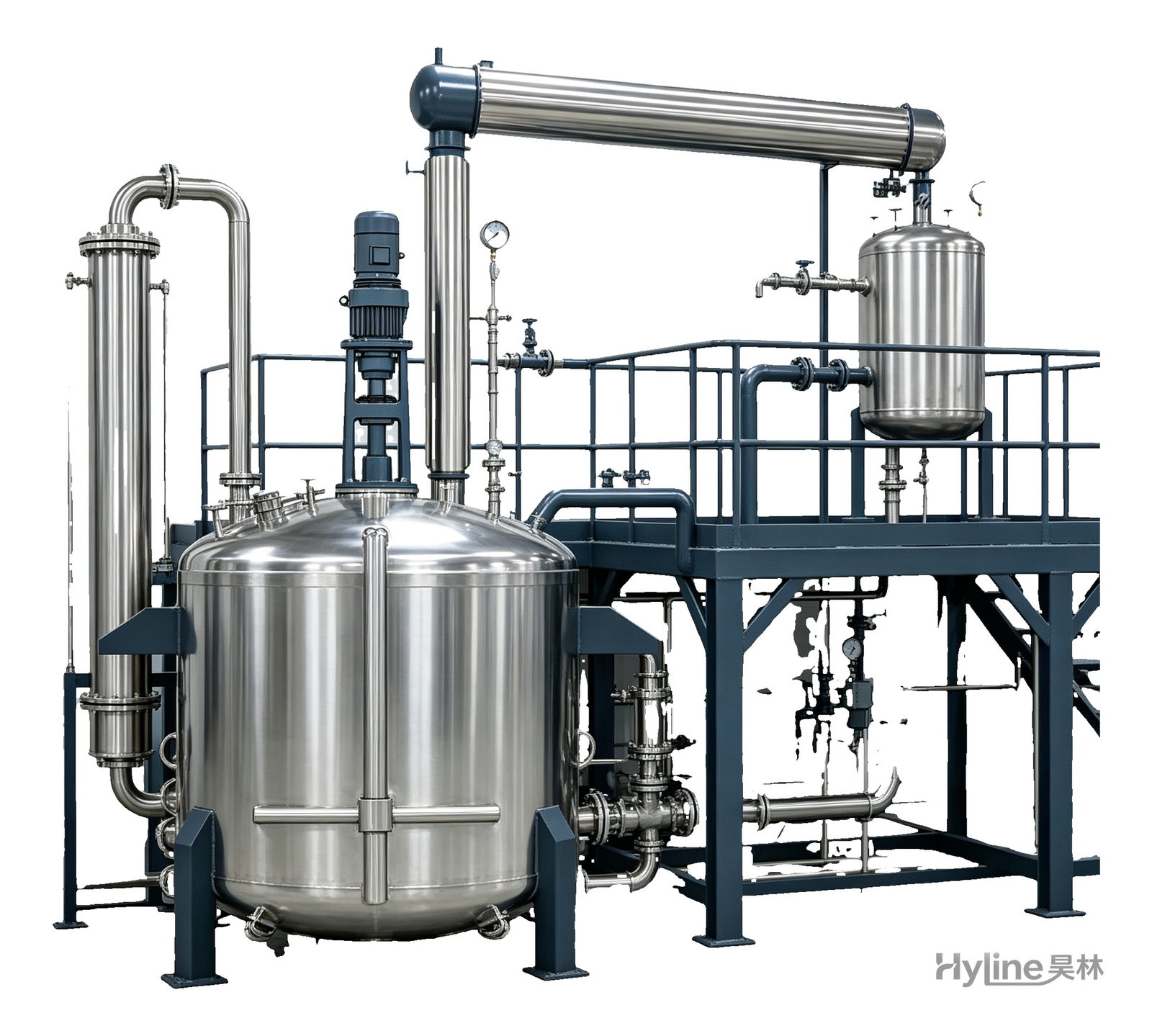
Complete Resin Production Equipment
Resin production packages built around the reactor, with vertical fractionating column, horizontal condenser and water separator for full synthesis, dehydration and reflux processes. Sizes from 300L to 30000L.
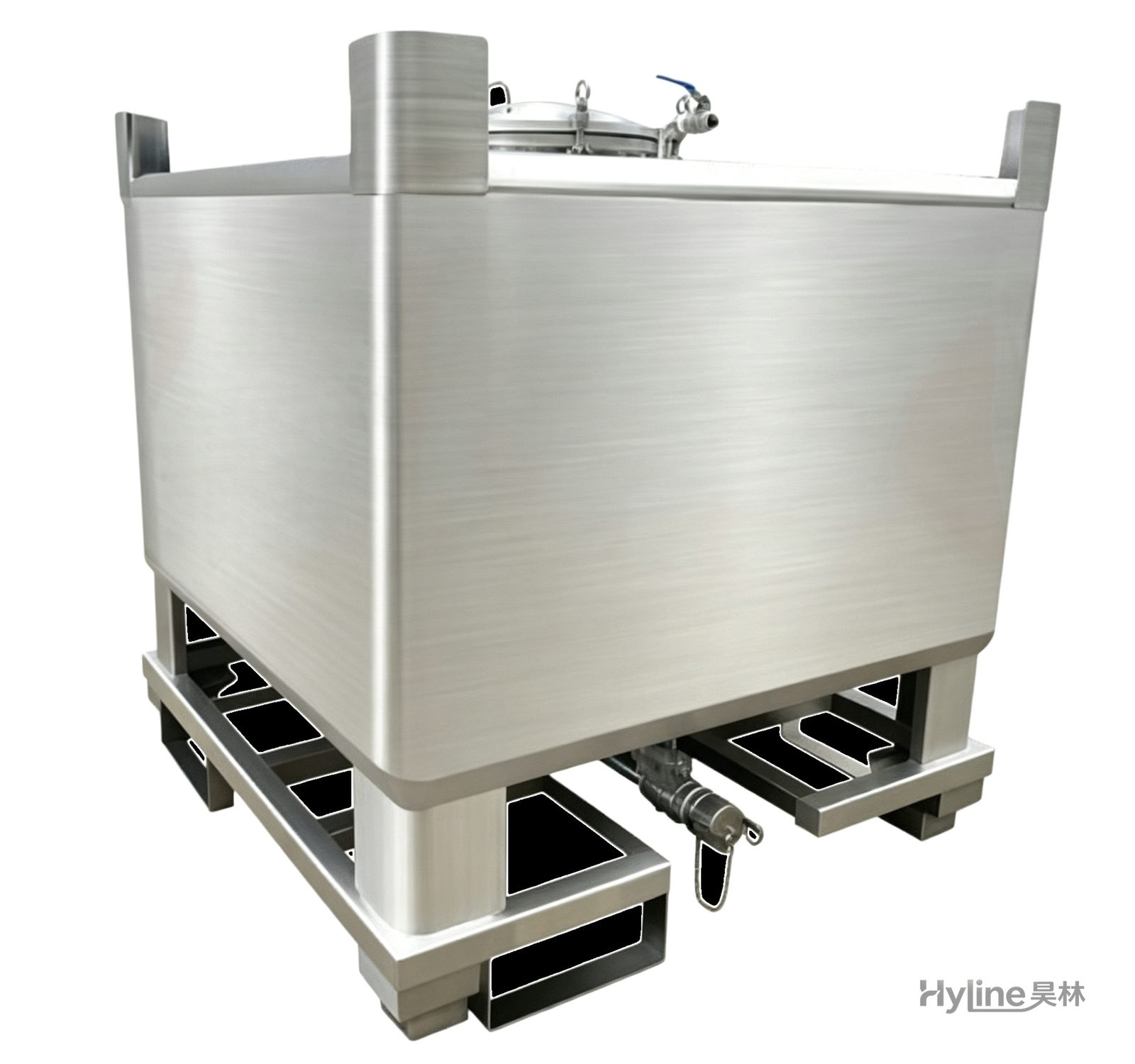
IBC Tank (Intermediate Bulk Container)
HDPE blow-molded liner with hot-dip galvanized steel frame - UV resistant, anti-aging, easy to clean, non-toxic. Four-way fork base for easy handling and stacking; ideal for liquid storage and transport.