
How to accept a stainless steel reactor before delivery? No-load test run, load trial run and leak check essentials
10/24/2026
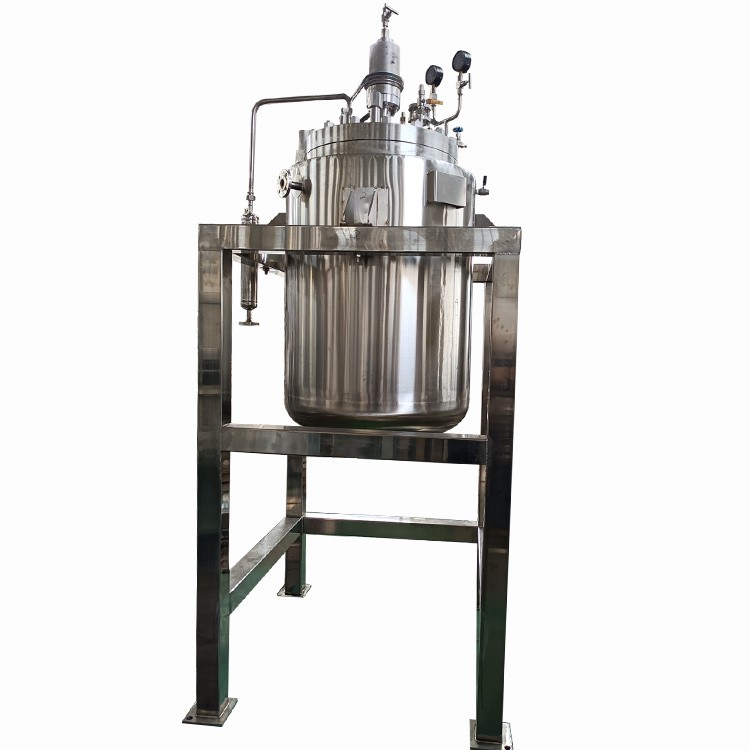
Finding a leaking jacket, abnormal mixing noise or a leaking seal after a stainless steel reactor has arrived is the most passive situation in chemical equipment purchasing: the equipment is already in the workshop, returning it leads to disputes, and rectification delays the schedule. Pre-delivery acceptance is the first gate for quality; a qualified factory inspection can block most quality defects that are otherwise only discovered after arrival. Many people understand acceptance only as looking at the appearance and trying whether it turns, but in fact the pre-delivery acceptance of a reactor covers four parts: no-load test run, load trial run, leak check and document verification. This article explains how to check these four parts, what to check and how to set the parameter standards, helping you hold the first gate before the equipment leaves the factory.
Why is pre-delivery acceptance important?
One-sentence conclusion: pre-delivery acceptance completes four checks at the manufacturer — no-load test run, load trial run, leak check and document verification — blocking quality defects before shipment.
When acceptance is done at the manufacturer, tools, spare parts and manufacturing personnel are all on site, so the rectification cost of found problems is the lowest; after arrival, problems can often only be repaired or claimed, doubling time and cost. According to common industry practice, the pre-delivery acceptance of a reactor follows four parts: the no-load test run verifies the drive and mixing system, the load trial run verifies process performance, the leak check verifies pressure-bearing and sealing, and document verification confirms the traceability of material and manufacturing. After all four parts pass, the factory acceptance certificate and test records are issued and shipped with the equipment. The buyer specifying the acceptance items and judgment standards in the technical agreement is the premise for later acceptance being well-founded.
What does the no-load test run check?
One-sentence conclusion: the no-load test run checks the drive chain — motor rotation direction, reducer temperature rise, agitator shaft runout, abnormal noise and current — to judge whether the mixing system is properly assembled.
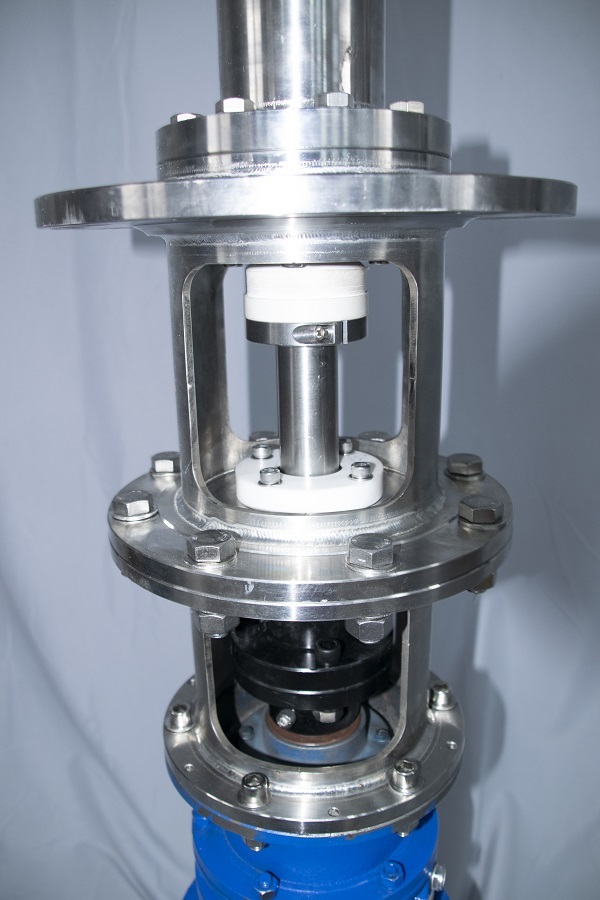
The no-load test run is an operation test without material, focusing on five items: first, the motor rotation direction matches the nameplate and the impeller rotates in the designed direction; second, the temperature rise of the reducer and bearings, generally controlled within 35℃ for continuous running according to common industry experience, without obvious overheating; third, the runout of the agitator shaft end, measured with a dial gauge on the shaft end and coupling, generally controlled within 0.05~0.15mm, taking the larger value for a long shaft; fourth, abnormal noise and vibration — no periodic impact sound during running, and the frame vibration velocity generally controlled within 4.5mm/s; fifth, the no-load current — the measured value should match the motor rated current, and an obviously high value indicates over-tight assembly or a reducer problem. Only after the no-load test run passes does the load trial run begin.
What does the load trial run check?
One-sentence conclusion: the load trial run runs with water or medium according to the actual working condition, checking mixing effect, sealing, heat transfer and vacuum performance to verify that the equipment reaches the design indicators.
The load trial run is carried out with the medium and speed agreed in the technical agreement, generally first with clean water at the design liquid level, then gradually adding material according to process requirements. Four items are mainly checked: first, mixing and blending — the liquid surface flow pattern is normal without dead zones or vortexing, and the speed matches the design value; second, sealing performance — the mechanical seal and packing seal show no dripping during running; according to common industry experience, static sealing points generally have no leakage, and dynamic sealing points allow slight wetting but no dripping; third, jacket heat transfer — after steam or cooling water is introduced, the heating and cooling rates match the design values, and the jacket shows no abnormal expansion sound; fourth, vacuum performance — under vacuum conditions the vessel reaches the designed vacuum degree, and the leakage after holding pressure is within the allowable range. The load trial run records speed, current, temperature and vacuum data as the basis for factory acceptance.
How to do the leak check?
One-sentence conclusion: the leak check has three methods — hydrostatic test, pneumatic test and vacuum holding test — selected by design pressure and medium, with test pressure and holding time executed according to codes.
Pressure-bearing parts must be leak-checked before shipment. According to common industry practice, the jacket and vessel generally undergo a hydrostatic test with a test pressure of about 1.25 times the design pressure and a holding time generally not less than 30 minutes, checking welds and sealing faces for leakage and deformation; the pneumatic test is used for conditions with high sealing requirements, feeding compressed air or nitrogen to the test pressure and applying soap solution to the welds to check bubbles; vacuum conditions undergo a vacuum holding test, drawing to the designed vacuum degree and holding, with the pressure rise within the allowable range judged as passed. For flammable, explosive and highly toxic media, the leak check requirements are tightened, and helium leak detection is used when necessary. After the leak check passes, the pressure test records are issued and archived with the equipment.
Which documents should be verified in acceptance?
One-sentence conclusion: six documents are verified in acceptance — material certificates, pressure test records, non-destructive testing reports, mixing and motor parameters, the certificate of conformity and as-built drawings; none can be missing.
Documents are the evidence of traceable equipment quality. The check list is as follows:
| Document item | Check points |
|---|---|
| Material certificate | vessel, jacket and nozzle material grades correspond to heat numbers; 304/316L need chemical composition reports |
| Pressure test and leak check records | test pressure, holding time, conclusion and signatures complete |
| Non-destructive testing report | RT/PT reports of main welds, with ratio and grade meeting the technical agreement |
| Mixing and motor parameters | speed, power and explosion-proof grade consistent with the nameplate |
| Certificate of conformity | factory inspection conclusion and stamp |
| As-built drawings and documents | general arrangement, nozzle orientation drawing and spare parts list |
After the six documents are verified, they are archived with the equipment; installation after arrival and later maintenance both rely on this set of documents.
How to verify the motor and reducer?
One-sentence conclusion: five items are verified for the motor and reducer — power, speed, explosion-proof grade, temperature rise and mounting method — corresponding item by item to the process calculation sheet.
The motor and reducer are the power source of the reactor mixing system. When verifying, first check the power; according to common industry experience, the motor power is generally selected at 1.1~1.2 times the mixing calculated power, and too small a value causes frequent overload. Then check the speed: the output speed should be consistent with the technical agreement, and the impeller tip speed should be within the design range. The explosion-proof grade should be checked against the hazardous area of the medium, and the explosion-proof motor should provide an explosion-proof certificate. The temperature rise should be normal for the motor and reducer oil temperature under rated working conditions, and the oil level should be checked where the reducer has an oil-level gauge. The mounting method should match the frame, and the coupling alignment data should be kept on file. After the five items are verified, the matching between the power system and the mixing system is closed.
How to review the pressure test records and certificates?
One-sentence conclusion: three points are reviewed in the pressure test records — pressure values, holding time and signatures; for certificates, the qualification stamps and validity are reviewed, and items missing require correction before acceptance.
The pressure test record is first-hand evidence. When reviewing, first verify that the test pressure values are consistent with the codes — the hydrostatic test pressures of the jacket and vessel and the pneumatic test pressure should all be clearly recorded. Then check whether the holding time meets the requirements. Finally check whether the signatures of the operator, quality inspector and reviewer are complete. The pressure gauge should be within the calibration validity period, and the record should note the gauge number and calibration date. For the non-destructive testing report, verify the testing ratio, qualified grade and report number, corresponding to the weld distribution drawing. For certificate-type documents, verify the manufacturing license or supervision inspection stamp; if the qualification is expired or the stamp is missing, require the manufacturer to correct it before issuing the certificate of conformity.
What else should be done after the equipment arrives?
One-sentence conclusion: three checks are performed after arrival — unpacking against the packing list, re-measuring key dimensions before installation, and verifying the foundation and nozzles before the pressure test — extending factory acceptance to on-site installation.
Passing the pre-delivery acceptance does not mean trouble-free on-site installation. After arrival, first unpack and check the main machine, spare parts and accompanying documents against the packing list. Before installation, re-measure the nozzle orientation and foundation dimensions against the general arrangement drawing, and contact the manufacturer promptly if the deviation exceeds tolerance. On site, re-measure the levelness and verticality according to codes, and tighten the anchor bolts to the required torque. After installation, run a pneumatic or vacuum test again to confirm that transportation and lifting did not damage the seals. When the three checks are implemented, the results of the pre-delivery acceptance can truly land on the production line.
How to handle problems found in acceptance?
One-sentence conclusion: problems found in acceptance are handled at three levels — rectification, repair and rejection — with evidence recorded throughout, and the handling result is confirmed in writing before delivery is discussed.
When an abnormality is found in the no-load trial run or the load trial run, first distinguish the nature of the problem. For general deviations, such as excessive noise, loose fasteners or cosmetic defects, record them and require the manufacturer to rectify and re-inspect; for problems involving mixing or sealing performance, such as excessive vibration, leakage or speed mismatch, require repair and re-run the trial; for problems involving material, welds or strength, if inspection confirms nonconformance, reject or replace the goods according to the technical agreement. Each level of handling requires written records containing the problem description, handling measures, re-inspection result and signatures of both parties, which serve as the basis for later warranty claims. Acceptance is not a formality; discussing delivery and payment only after the handling result is clear saves a great deal of disputes after arrival.
Hyline Shengda produces stainless steel reactors and other complete mixing equipment, supporting the configuration of stainless steel mixing tanks, high-speed dispersers and planetary mixers as complete-line supporting equipment by working condition, and completing the inspection before shipment according to the no-load test run, load trial run and leak check process. Before making an equipment plan, it is recommended to fix the three figures of design pressure, medium and mixing parameters first, and then discuss the acceptance standards.
Related reading: - Why does the reactor mechanical seal always leak? Seal structure, flush plan and installation and maintenance essentials - How to maintain the reactor agitation system: assembly essentials of agitator shaft, mechanical seal and impeller
This article is compiled by Hyline Shengda Equipment Manufacturing Co., Ltd. (hyline.cn), mainly producing stainless steel reactors, mixing tanks, storage tanks, dispersers, concentrators and complete chemical lines, supporting non-standard customization.
Q&A from this article
Frequently asked questions and answers from this article
One-sentence conclusion: the no-load test run checks the drive chain — motor rotation dire…
Related Products

Jacketed Reactor
The typical main reaction vessel in chemical production. Mixing, heating and cooling disperse and mix materials for reaction and polymerization. The jacket circulates thermal oil/steam for heating or cooling water for temperature control.
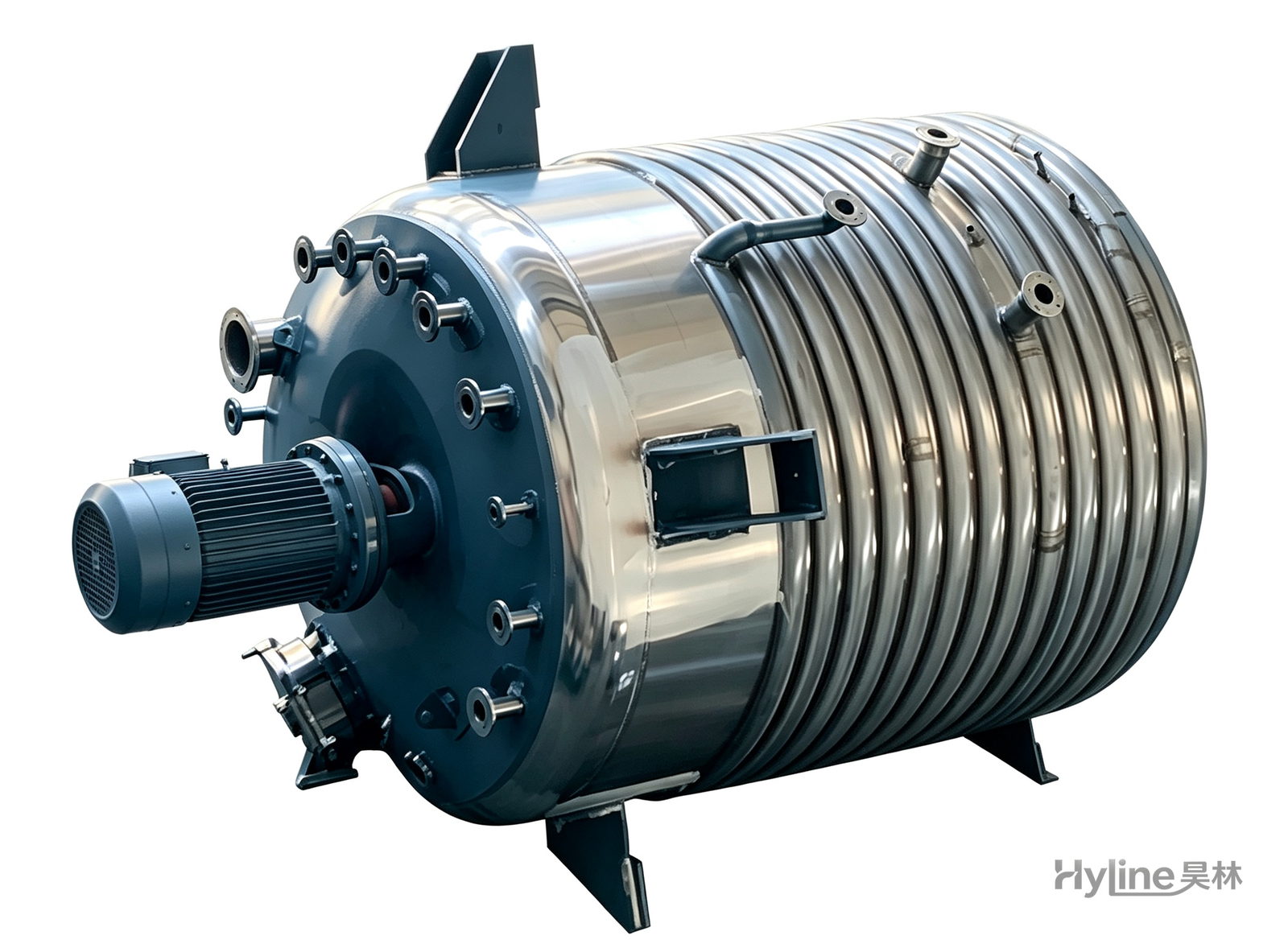
External Half-Coil Reactor
External half-pipe heating & cooling coils provide uniform, efficient heat exchange with zero material dead zones inside. Mirror-polished 304/316L stainless tank is clean and corrosion-resistant. For resin, new-energy slurry and pharmaceutical synthesis.

Stainless Steel Mixing Tank (Dispersion Drum)
Supporting vessel for dispersers and mixers in paints, coatings, adhesives, color slurries, inks and electronics. Available in 201/304 stainless with internal/external polishing and sloped bottom side discharge for complete draining.
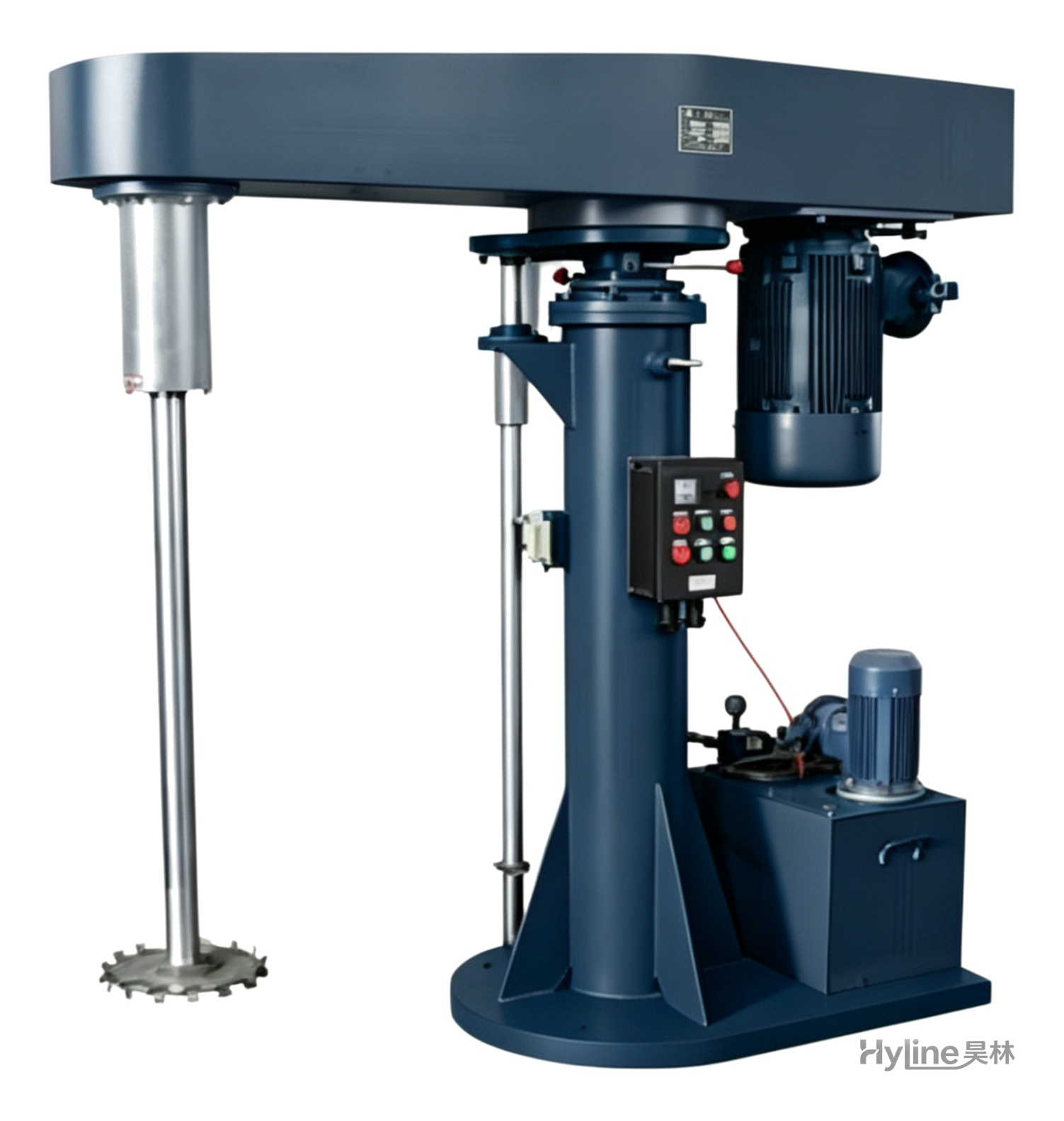
FL Series High-Speed Disperser
Stirs, dissolves and disperses liquids and powders, working alone or matched with sand mills. Variable-frequency drive with hydraulic lift, widely used in paints, inks, coatings, dyestuffs and papermaking.
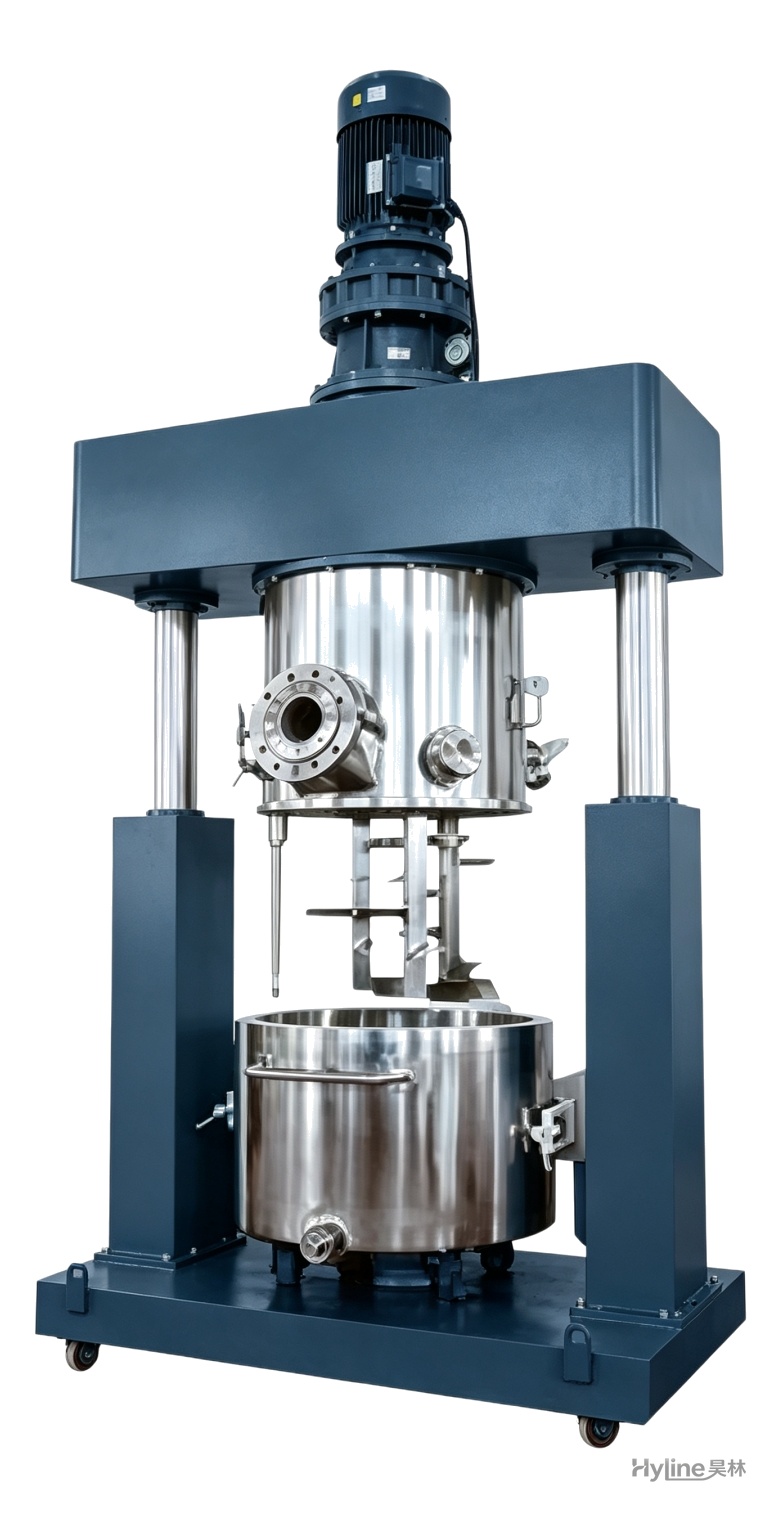
XJB Series Planetary Mixer
Planetary blades rotate and revolve simultaneously, creating complex material flow with no dead corners and easy discharge. Handles ultra-high-viscosity pastes of 10,000-8,000,000 cps for silicone, PU sealants, liquid silicone and electronic adhesives.