
How to Choose Stainless Steel Pipe Connections? Comparing Flanges, Quick Clamps and Welding
10/6/2026
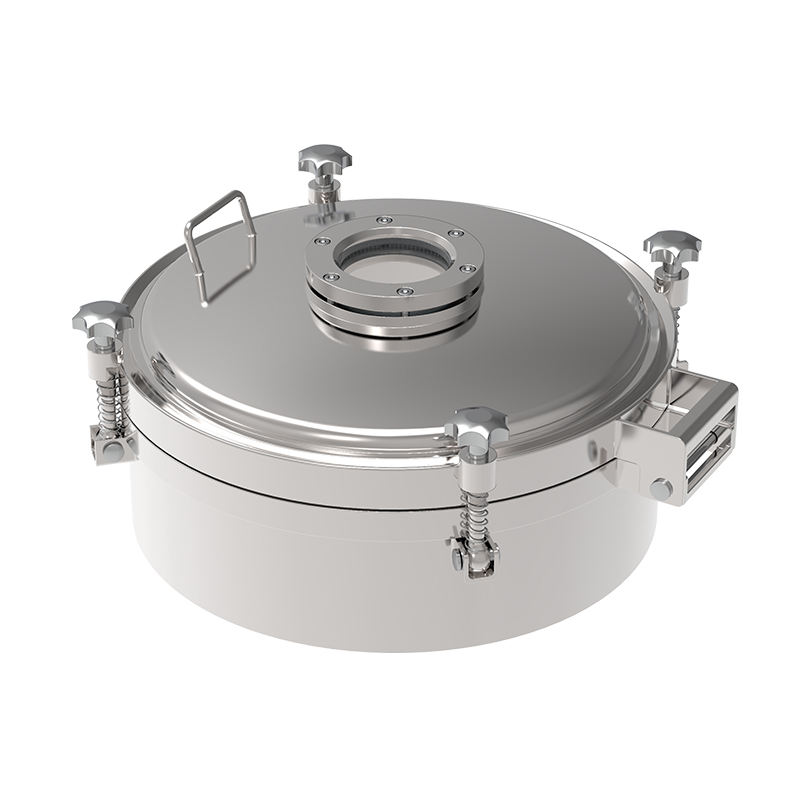
Pipe connections on stainless steel equipment directly affect sealing, cleaning convenience and hygiene class in material transfer. Flange, quick-clamp and welded connections are the three most basic methods, each suiting different conditions: flanges are reliable and easy to maintain, quick clamps are fast to assemble and disassemble and suit frequent cleaning, and welded connections have no leak point and suit hygienic pipelines. Choosing the wrong connection method means hard disassembly at best and media leakage or product contamination at worst. This article compares the applicable conditions and sealing points of the three methods.
The three basic ways to connect pipelines
The three connection methods differ clearly in sealing principle, assembly convenience and applicable scenario; selection mainly depends on media characteristics, cleaning frequency and cleanliness requirements.
| Connection method | Sealing principle | Assembly convenience | Applicable scenario (typical) | Main features |
|---|---|---|---|---|
| Flange | Flange face + gasket + bolted compression | Dismountable, needs tools | Large diameter, high pressure, frequent maintenance | Reliable, universal, moderate cost |
| Quick clamp | Clamp compresses the sealing ring | Tool-free quick release | Hygienic, frequent cleaning | Fast to assemble, easy to clean, limited pressure rating |
| Welding | One-piece weld joint | Not dismountable | Hygienic, long-term fixed pipelines | No leak point, requires hygienic welding |

How to choose flanges? How to select the gasket?
Flange connection is the most common method in chemical pipelines: the flange face compresses the gasket to form a seal. Three points matter in selection: keep flange standard and pressure rating consistent, match gasket material with the medium, and pre-tighten bolts evenly. Gasket material is chosen by medium and temperature: rubber gaskets can be used for water at normal temperature, PTFE or spiral-wound gaskets are common for solvents and chemicals, and metal gaskets suit high-temperature high-pressure service. Flange face machining quality affects the seal — generally the flatter the sealing surface and the lower the roughness, the less likely it is to leak.
- Flange standard and pressure rating: keep one standard throughout the same piping system to avoid mixed assembly
- Gasket material: choose by medium, temperature and pressure; never substitute at will
- Bolt pre-tightening: tighten diagonally in several passes to avoid one-side over-tightening deformation
- Piping stress: leave expansion allowance at flange joints to prevent thermal expansion from cracking
Which scenarios suit quick clamps?
A quick clamp consists of a clamp, a sealing ring and two ferrule bodies; tightening the clamp completes the connection and releasing it is enough for disassembly. It is the common choice for hygienic pipelines and occasions requiring frequent cleaning. In the batching and washing sections of food, beverage, pharmaceutical and cosmetics production lines, pipelines are cleaned every day or even every batch, and the tool-free quick release of clamps is a clear advantage. When choosing a quick clamp, match the sealing ring material with the medium and sterilization method, and generally keep the clamp material the same as the pipe to avoid dissimilar-metal contact.
The pressure rating of quick clamps is lower than flanges and welding; they generally suit low pressure, gravity flow or small pump-fed flow. For high-pressure delivery or large-diameter connections, flange connection remains the main choice.
Welded connections and pipeline hygiene class
A welded connection has no gasket or bolt, so in theory there is no leak at the joint, and it is the first choice for hygienic pipelines. But weld quality determines the hygiene class: the weld must be smooth on the inner wall with no inverted lip or weld spatter, otherwise material hangs up and microbes grow; the surface polish grade generally needs to reach Ra ≤ 0.8 μm or higher. A welded connection cannot be disassembled, so reserve maintenance and cleaning positions in piping design and combine it with CIP online cleaning for internal cleanliness.
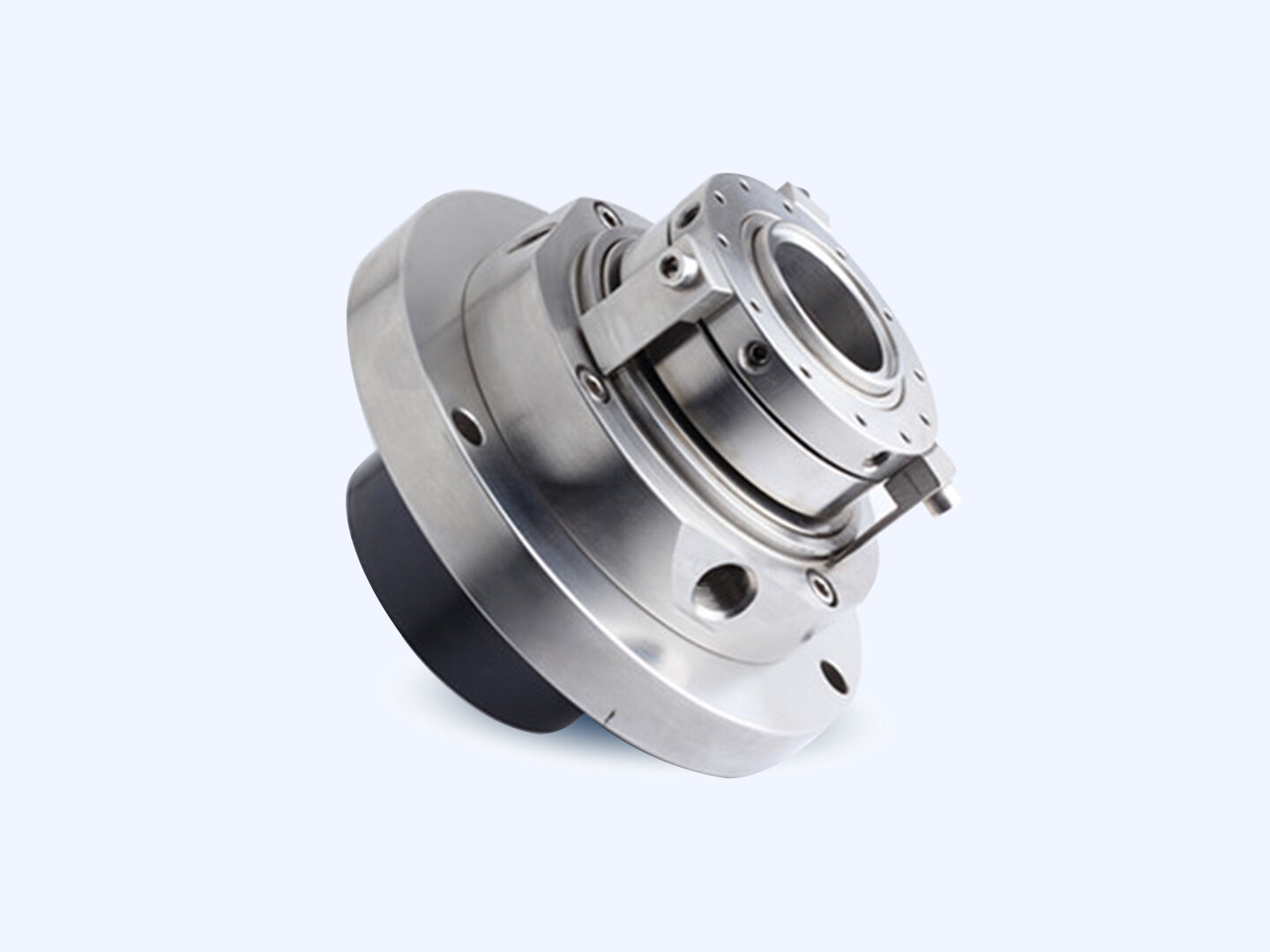
For high-hygiene occasions, welding plus quick clamps is a common scheme: fixed sections are welded to guarantee no leakage, while valves and instrument sections that need cleaning use quick clamps, balancing reliability and maintainability.
How do piping layout and fittings work together?
After the connection method is set, piping layout must be coordinated with the fittings: flanges need enough working space for bolt tightening, quick clamps need clamp-wrench operating space, and welded sections need reserved positions for welding and maintenance. Avoid sharp bends and dead ends in the routing — sharp bends add resistance and collect material, and dead ends are hygiene blind spots. Support spacing is set by pipe diameter and media weight to prevent sagging that loads the joints.
- Working space: reserve wrench clearance at flange and clamp positions
- Routing: reduce sharp bends, avoid dead ends and low-point liquid traps
- Supports: set spacing by diameter and weight to prevent sagging
- Thermal compensation: fit expansion joints or natural compensation bends on large-temperature-difference pipelines
How to choose the gasket? One table makes it clear
Gasket material directly decides the medium and temperature resistance of the joint, and the wrong gasket is a common cause of leakage. Choose by medium and temperature; the general pattern is as follows:
| Medium / condition | Gasket material (typical) | Temperature range (typical) |
|---|---|---|
| Water, steam, normal-temperature aqueous | NBR, EPDM | -20 °C to 120 °C |
| Food, beverage, hygienic media | Silicone, food-grade EPDM | -30 °C to 150 °C |
| Solvents, acids, chemicals | PTFE | -60 °C to 200 °C |
| High-temperature high-pressure steam | Spiral-wound gasket | Upper limit per winding material |
| Strongly corrosive media | PTFE-jacketed, expanded PTFE | -60 °C to 260 °C |
The above is a general reference; the final choice follows the media characteristics and the system design pressure. Gaskets are wearing parts; replace them periodically by medium and service cycle rather than waiting for a leak.
How to handle reducers and direction changes?
Reducer and direction-change positions are where stress concentrates and leaks occur most. Reducers should use eccentric or concentric reducer fittings for a smooth transition, avoiding direct step-down that causes turbulence and erosion; direction changes should prefer elbows over direct tees to reduce impact on the joint. In quick-clamp piping use reducer clamps for size changes, and in flange piping use reducing flanges; keep fittings matched with pipe size and do not mix parts of different standards.
Welding execution and acceptance points
The key to welded connections is construction quality. Before welding, confirm base material and filler metal match, clean the bevel, and ensure the welding environment meets cleanliness requirements; during welding, control inter-pass temperature and argon shielding to prevent weld oxidation and blackening; after welding, perform pickling and passivation to restore corrosion resistance, and polish the inner wall to the hygiene class. Acceptance covers visual inspection (smooth weld, no cracks or porosity), pressure testing (hold pressure to confirm no leakage) and inner-wall inspection (no inverted lip, no hang-up dead corners); hygienic pipelines should also check surface roughness at the weld.
Cleaning validation and hygienic design
Connection design in hygienic pipelines must be matched with cleaning validation: welded sections have no dead corners and full CIP coverage, and quick-clamp sections are easy to open for visual inspection. Validation generally has three steps: first, visually check the inner wall for hang-up material and discoloration; second, clean with flush water or detergent per the procedure and sample for residue testing; third, periodically open quick clamps and seals to confirm no aging or deformation. If cleanability is considered at the design stage, the hygiene class can be maintained over the long term after commissioning.
Fitting material and surface treatment
Fitting material should match or be compatible with the pipe body to avoid galvanic corrosion from dissimilar metals. The common combination is both pipe and fittings in 304 or 316L stainless steel; hygienic occasions have surface treatment requirements: product-contact surfaces polished, burr-free, no dead corners, and welded sections pickled and passivated to restore corrosion resistance. Fitting surface roughness generally follows the hygiene class — food and pharmaceutical occasions demand more — so confirm the surface treatment grade with the equipment manufacturer during selection.
How to trace common leak points at joints?
Pipeline leaks mostly happen at joints. Trace them in three steps — look, listen and test: look for media seepage marks at sealing faces and ferrules, listen for abnormal noise and air flow during operation, and run a pressure-hold test to confirm whether the system holds pressure. Common causes include aging or incompatible gaskets, loose or unevenly tightened bolts, damaged flange faces, clamps not fully locked, and weld defects. It is generally recommended to build an inspection checklist for joint points and periodically check seal condition and fastening.
Common Q&A
Q: Can flange and quick-clamp connections be mixed? A: Yes, but convert through reducer fittings, keep the sealing ring material consistent and ensure the pressure rating meets the system requirement; for hygienic pipelines, welding plus quick clamps is recommended to avoid cleaning dead corners from mixed connections.
Q: What if a quick clamp does not have enough pressure rating? A: For high-pressure pipelines, prefer flanges or welding; if a clamp is really required, choose a high-pressure clamp and verify the pressure rating, and avoid impact loads near the joint.
Q: How is a welded pipeline cleaned? A: Use CIP online cleaning — welded sections have no dead corners and full cleaning coverage; periodically open quick-clamp sections for visual inspection to verify cleaning effect and seal condition.
Q: How often should quick-clamp sealing rings be replaced? A: Replace periodically by medium and service cycle; generally inspect once a year or every 500 batches, and replace immediately on hardening, deformation or scratching; in food and pharmaceutical occasions, replace in step with the cleaning and sterilization cycle to avoid aging failure and leakage.
Summary
Choosing stainless steel pipe connections is essentially balancing sealing reliability, assembly convenience and hygiene class: large-diameter high-pressure service uses flanges, frequently cleaned hygienic sections use quick clamps, long-term fixed pipelines use clean welding, and hygienic pipelines use the welding-plus-clamp combination. Gasket material, pressure rating and weld quality are the three links most prone to problems; check them item by item in selection and inspect them per the checklist after commissioning to keep joint leakage risk at the lowest level.
Further reading: - How to arrange mixing tank nozzles: tank-top connections and maintenance space design - Reactor heating and cooling methods compared: jacket, external coil and internal coil
---
This article is compiled by Shenzhen Hyline Equipment Manufacturing Co., Ltd. (hyline.cn); all information rights belong to the original authors. Main products: stainless steel reactors, mixing tanks, storage tanks, dispersers, concentration tanks and complete chemical process lines; custom (non-standard) manufacturing supported.
Q&A from this article
Frequently asked questions and answers from this article
A quick clamp consists of a clamp, a sealing ring and two ferrule bodies; tightening the c…
Related Products

Jacketed Reactor
The typical main reaction vessel in chemical production. Mixing, heating and cooling disperse and mix materials for reaction and polymerization. The jacket circulates thermal oil/steam for heating or cooling water for temperature control.

Stainless Steel Mixing Tank (Dispersion Drum)
Supporting vessel for dispersers and mixers in paints, coatings, adhesives, color slurries, inks and electronics. Available in 201/304 stainless with internal/external polishing and sloped bottom side discharge for complete draining.
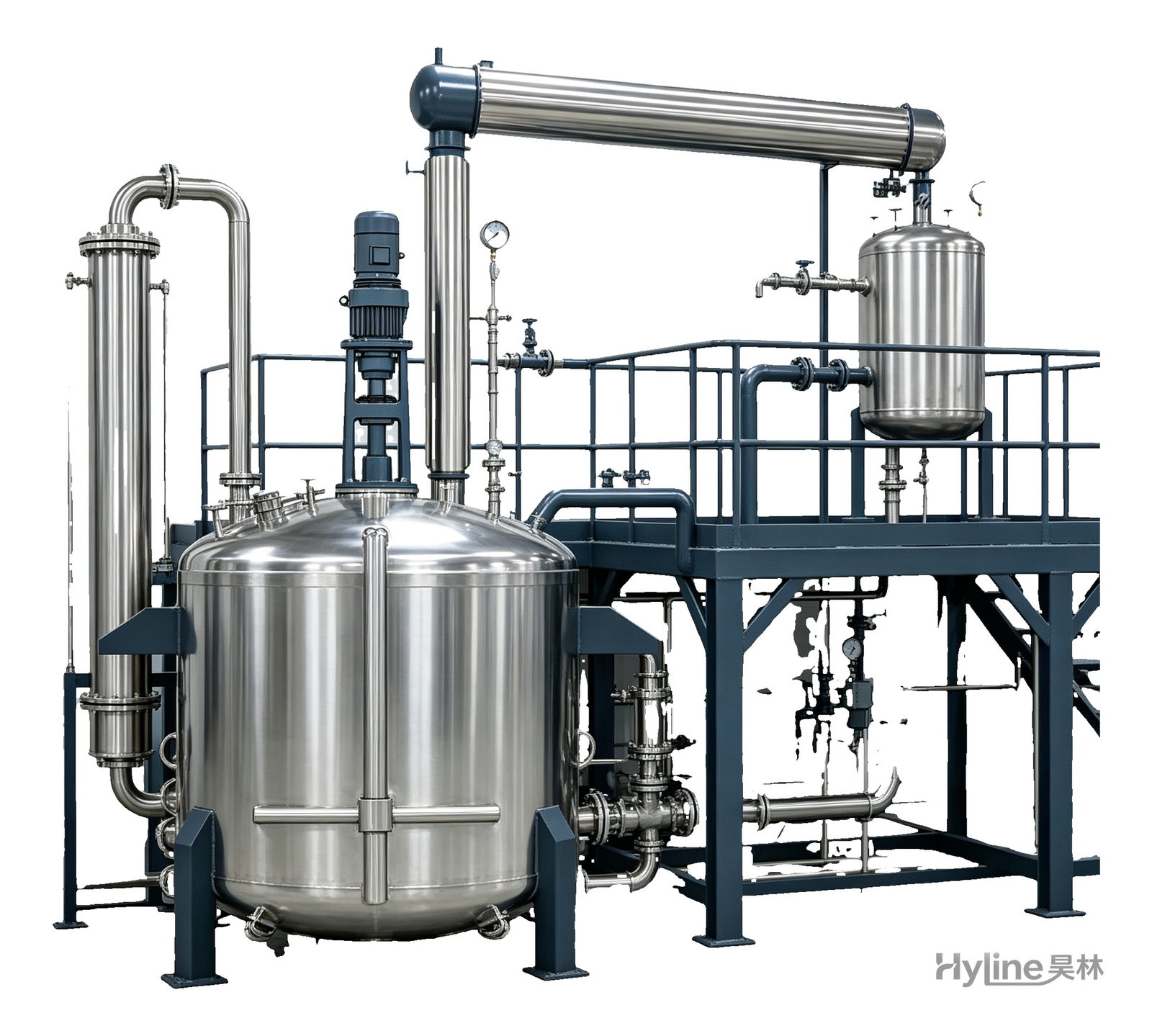
Complete Resin Production Equipment
Resin production packages built around the reactor, with vertical fractionating column, horizontal condenser and water separator for full synthesis, dehydration and reflux processes. Sizes from 300L to 30000L.
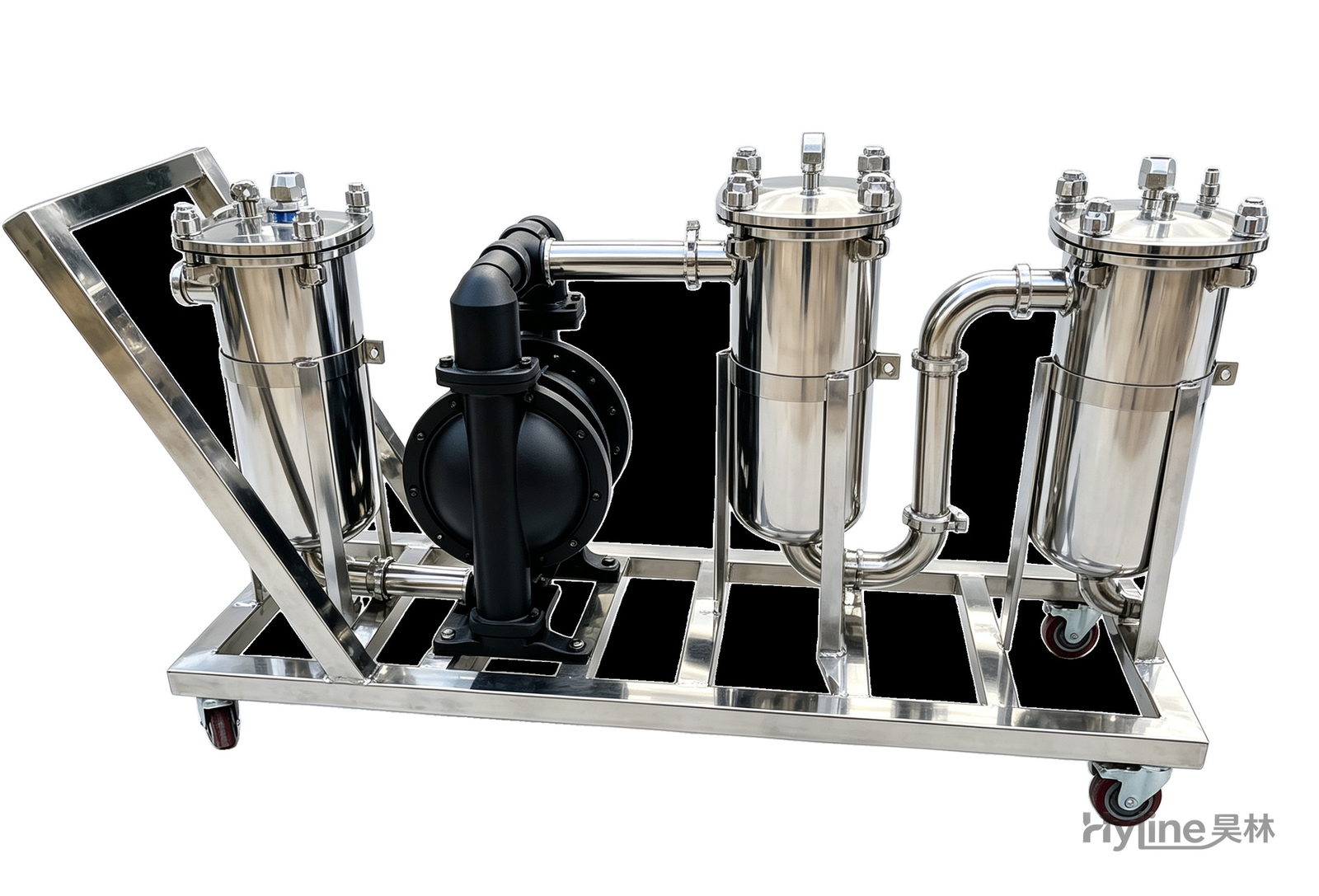
DL Series Bag Filter
A novel, compact, flexible and airtight multi-purpose filter widely used in chemicals, coatings, inks and food. Single and duplex models available, mountable on mobile carts with transfer pumps.
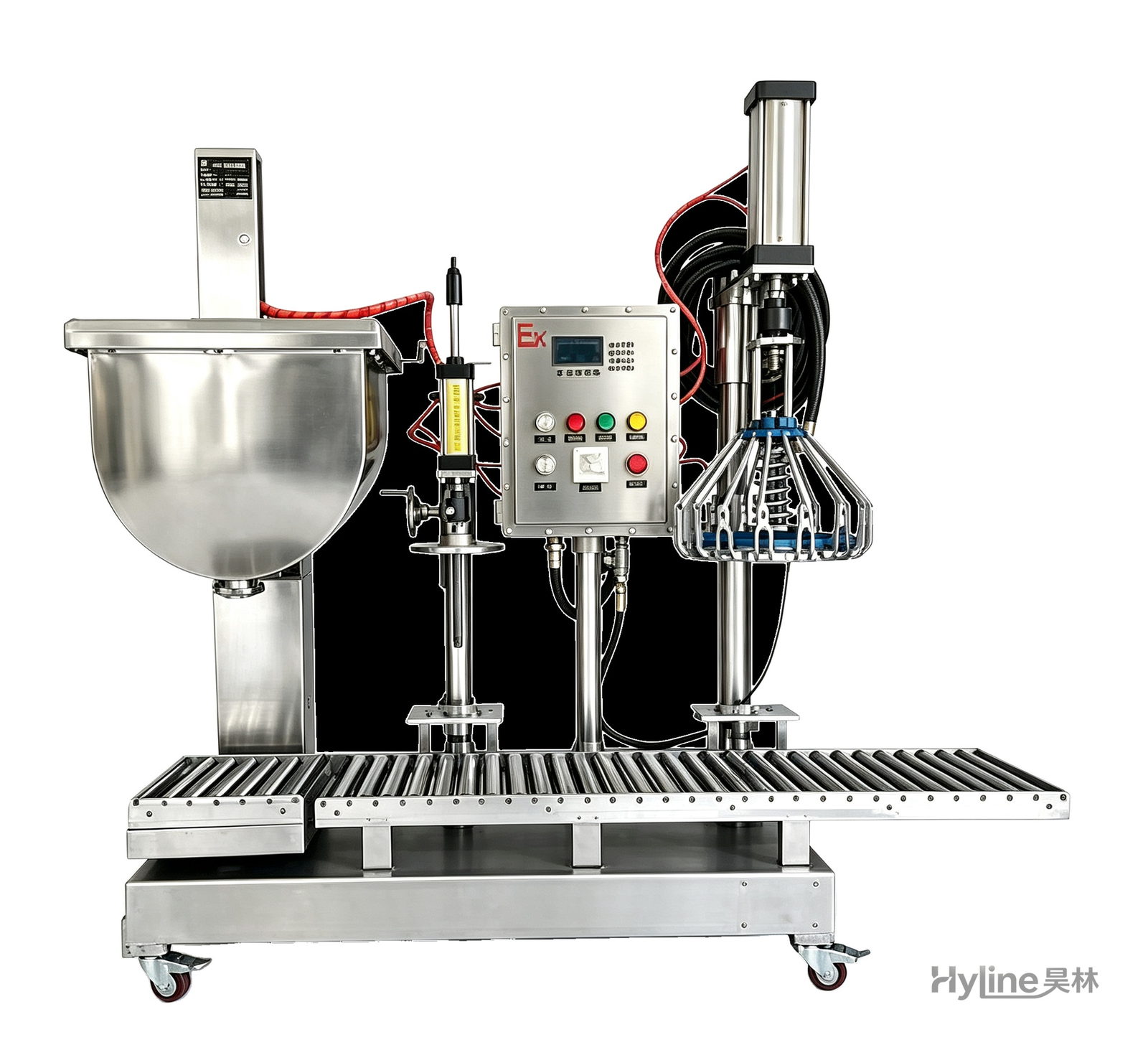
Weighing Semi-Automatic Filling Machine
Designed for frequent packaging changes with dual capping. European weighing technology with Siemens PLC: automatic feed speed adjustment and precision correction, triple protection (emergency stop/power-off/tank removal), explosion-proof fittings.
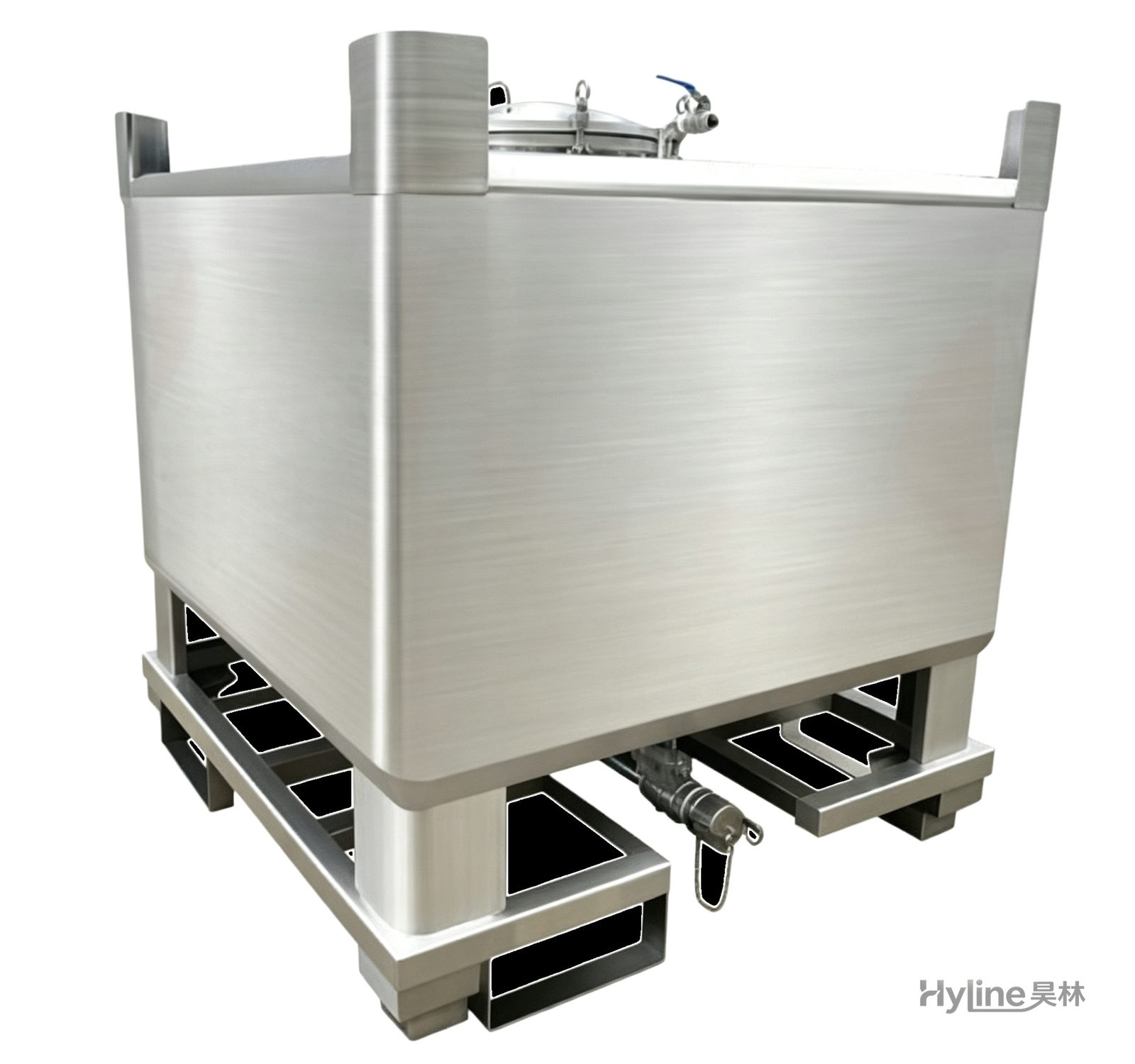
IBC Tank (Intermediate Bulk Container)
HDPE blow-molded liner with hot-dip galvanized steel frame - UV resistant, anti-aging, easy to clean, non-toxic. Four-way fork base for easy handling and stacking; ideal for liquid storage and transport.