
Why Do the Dispersion Discs of High-Speed Dispersers Wear Out? Wear Diagnosis and Replacement Tips
10/27/2026
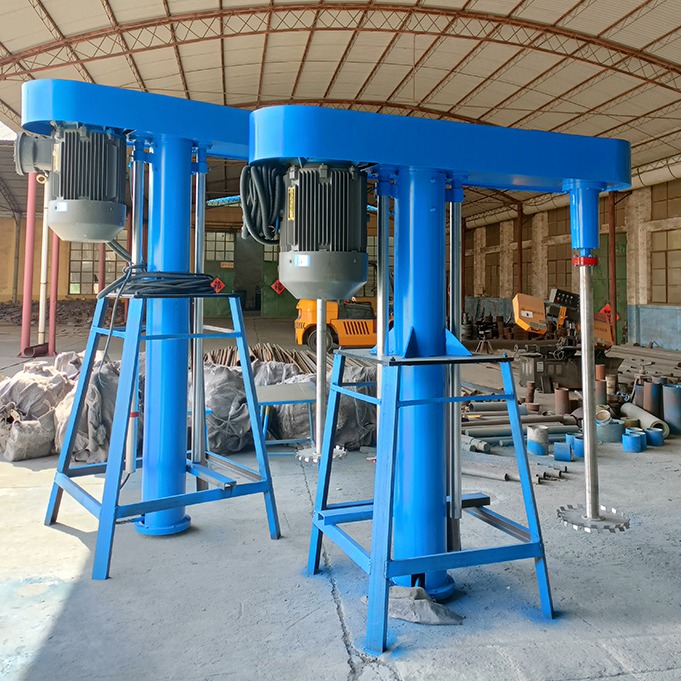
Why does disc wear directly affect dispersion results?
Bottom line first: the dispersion disc is the core part that creates shear force in a high-speed disperser. Once the teeth wear down and the disc diameter shrinks, both dispersion fineness and efficiency decline at the same time.
When a high-speed disperser works, the main shaft drives the dispersion disc to rotate at high speed in the material. The peripheral speed of the teeth is usually 18–28 m/s. Shear, impact and turbulence are created by the speed difference between teeth, and between the teeth and the vessel wall, which breaks down and wets pigment and filler particles. Common industry values: solvent-based coatings are usually dispersed at 20–24 m/s, water-based coatings and high-viscosity slurries at 18–20 m/s, and low-viscosity resin systems can go above 25 m/s. Peripheral speed is determined by disc diameter and rotation speed together; when the disc diameter shrinks due to wear, the same rotation speed delivers a lower peripheral speed and weaker dispersion force.
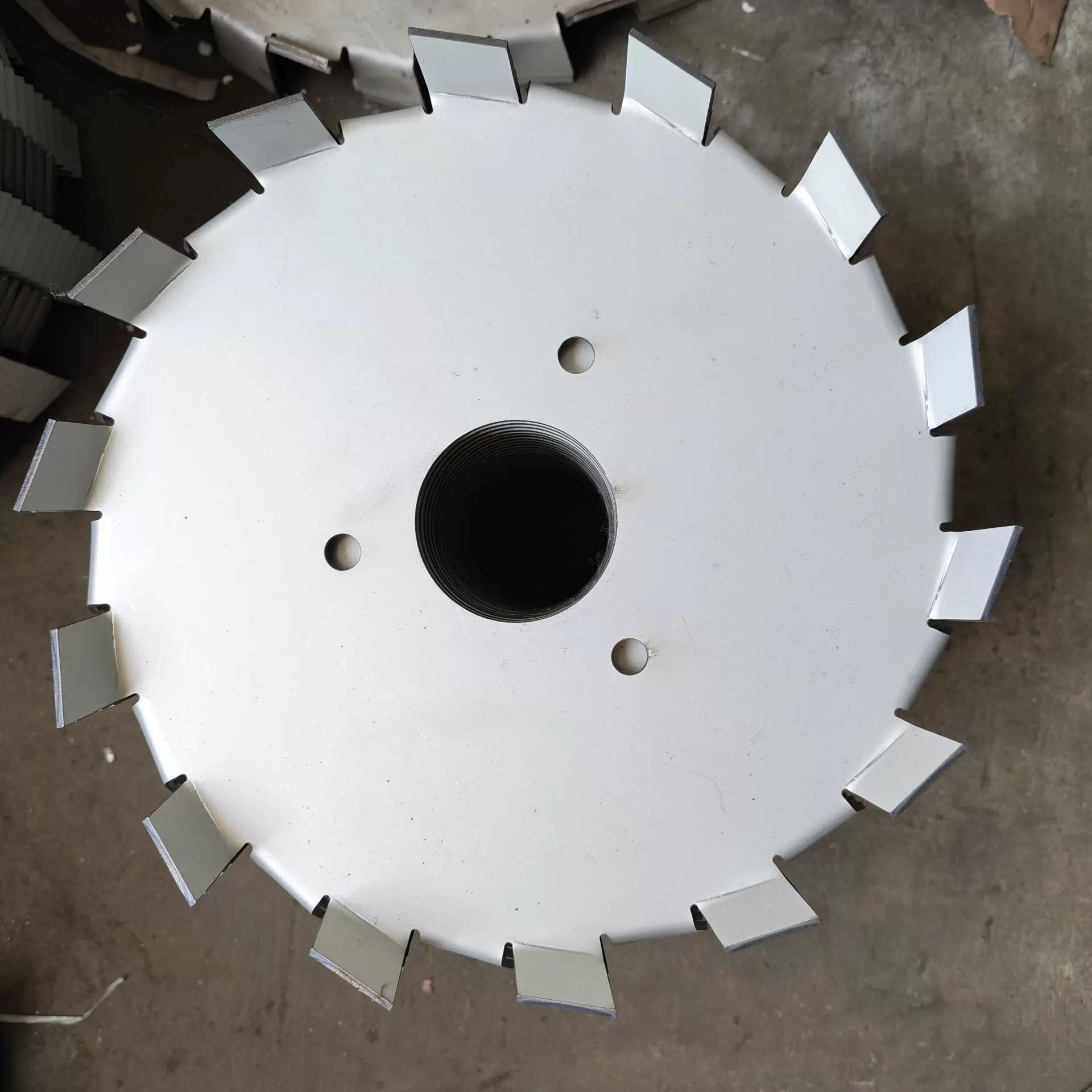
The tooth profile of a disperser is the direct source of shear force. Once the tooth tips become blunt, it is hard to build enough local shear gradient between the tooth edge and the material, pigments are not fully broken down, and fineness naturally moves backward. At the same time, wear makes the disc unbalanced, increasing vibration during operation, which further shortens the life of the shaft seal and bearings. So when dispersion results get worse, the first part to check is usually the dispersion disc itself.
What are the main causes of dispersion disc wear?
Bottom line first: abrasive wear, cavitation and speed mismatch are the three main causes, and the dominant cause differs by working condition.
The first is abrasive wear. Hard particles in coatings, inks and pigment pastes—titanium dioxide, iron oxide, carbon black, barium sulfate and the like—grind the tooth tips like sandpaper under high-speed shear. The harder and more concentrated the particles, the faster the wear. The second is cavitation. When the liquid level is too low, the disc draws air into the material; bubbles collapse near the tooth edge and create impact, leaving honeycomb-like pitting on the tooth face. Long-term operation at low liquid level can make cavitation wear faster than abrasive wear. A vacuum disperser reduces air entrainment through closed operation, but breaking the vacuum or improper feeding can still suck in air, so the liquid level still matters. The third is mismatch between rotation speed and disc diameter. Running continuously above the design speed raises the local temperature at the tooth edge, accelerates wear, and can even deform the disc.
To tell which cause dominates, look at the wear pattern: evenly rounded tooth tips with thinner tooth roots usually mean abrasive wear; dense pitting on the tooth face usually means cavitation; warping or one-sided wear points to speed settings or assembly accuracy. Once the cause is clear, you know whether to replace the disc, raise the liquid level, or adjust the rotation speed.
How do you judge when the disc needs replacement?
Bottom line first: check the tooth tip radius, measure the disc diameter, and compare fineness data. Combining these three, a wear of more than 3%–5% of the original diameter is generally the time to replace.
On site, follow three steps. First, look at the tooth profile: a normal tooth tip has a sharp edge or a small radius; after wear, the tip radius is clearly larger and the tooth crown becomes blunt, and a clearly smooth touch is a warning sign. Second, measure the diameter: use a vernier caliper to compare the actual outer diameter with the design value. If the wear exceeds 3%–5% of the original diameter, replace the whole disc. The disc is a wearing part; it is common to keep 1–2 sets in stock per year of use. Third, watch the fineness: if the fineness gauge reading of the same formula under the same process is more than 5 micrometers worse than the baseline for two consecutive batches, or dispersion time clearly becomes longer, check the disc first.
How much difference does the wear cycle make between working conditions?
Bottom line first: the wear cycle is strongly related to material hardness, concentration and peripheral speed. Solvent-based coatings usually need a new disc every 6–12 months, while heavy-duty jobs such as pigment pastes and inks should be checked every 3–6 months.
Look at the material first. In solvent-based coatings, the pigments are mainly titanium dioxide and organic pigments of medium hardness, so wear is relatively slow. Water-based coatings and pigment pastes contain more iron oxide, carbon black and other particles, so wear is noticeably faster. In the ink industry, fineness requirements are high and grinding time is long, making dispersion discs and grinding discs high-frequency wearing parts. Then consider concentration and peripheral speed: the higher the solids content and the closer the speed is to the upper limit, the faster the wear. Industry experience: 6–12 months for general coating duties, 3–6 months for pigment paste and ink duties, and more than a year for low-viscosity, low-solids resin systems. This range is only a production-planning reference; base the real interval on diameter measurement every quarter.
It also pays to tie replacement to the production plan: schedule disc replacement in the low season or during a maintenance shutdown rather than stopping the line at peak season. Keep one set in use and one spare, or two spares for heavy-duty duties, so that a single disc failure does not stop the whole line.
How does disc wear drag down other parts of the machine?
Bottom line first: the vibration from a worn disc hits the shaft seal, bearings and motor in turn, and a fineness problem is usually only the earliest signal.
After one-sided wear or warping, the rotor becomes unbalanced and vibration under high speed travels up the shaft. The first victim is the shaft seal: packing or mechanical seals wear faster under continuous vibration and begin to leak. Next come the bearings: vibration load shortens bearing life noticeably, showing up as noise and rising temperature. If vibration grows further, it can affect the motor and gearbox connection and even cause coupling misalignment. So in daily inspection, do not only watch dispersion results—abnormal running noise, seal leakage and bearing temperature rise can all be external signals of disc wear.
How should replacement and maintenance be done?
Bottom line first: fit the same model and diameter, do a dynamic balance check after fitting, and keep a wear log—these three things extend disc life.
Use the original model disc from the manufacturer whenever possible. Diameter, tooth count and mounting bore must match, so that peripheral speed and dispersion results do not change. During fitting, note the locking direction and torque; tighten the main shaft lock nut to the torque on the drawing to prevent loosening at high speed. After fitting, jog the machine without load and check for obvious vibration; if possible, run a dynamic balance check, because at high disc speeds even a small eccentricity is amplified into vibration. For daily maintenance, clean the disc after each batch change to avoid dried material building up, and record replacement dates, wear values and fineness data in the equipment log. After two cycles you can estimate the next replacement time in advance, stock the spare part, and cut downtime.
How do you choose disc material and surface treatment?
Bottom line first: hardened carbon steel discs cover general duties, stainless steel discs suit food, pharmaceutical and light-color systems, and surface-hardened discs fit severe abrasive duties. Material and treatment decide the replacement cycle.
Common disc materials fall into a few grades. Hardened carbon steel discs are hard and wear-resistant, suit most coating and pigment paste duties, and cost moderately—the most common choice today. Stainless steel discs resist corrosion and do not contaminate the material with rust, so they fit food, pharmaceutical and light-color systems, but their hardness is lower than hardened carbon steel, so wear is slightly faster under heavy abrasive loads. Surface-hardened discs (nitriding or hard alloy deposited on the tooth edge) fit duties with high titanium dioxide concentration and very hard abrasive particles, and clearly extend the replacement cycle. When choosing material, evaluate particle characteristics, cleanliness requirements and replacement cycle together: the harder and denser the abrasive, the more worthwhile the upfront cost of surface hardening; if cleanliness matters, avoid carbon steel discs that can rust and contaminate the material. After the material is confirmed, also check that the mounting bore and locking structure match the original machine, so the new disc fits.
How do you set up a wear log?
Bottom line first: record the replacement date, measured diameter, fineness baseline and duty parameters in each row of the log; after two cycles you can predict the replacement point.
Each row of the log should carry four groups of data: replacement date and accumulated running hours, measured diameter and wear value, the fineness baseline of the same period, and the material and peripheral speed duty. Append the new reading from each ten-day inspection to the same row, and enter the warning stage automatically when wear approaches 3%. With two replacement cycles of data, you can estimate the next replacement time by running hours and schedule it into a maintenance shutdown. The log does not need a complicated format—a simple Excel table is enough—the key is to record every ten days. After half a year of data, the replacement decision changes from guesswork to data-driven, and batch-to-batch fluctuation of dispersion fineness will also drop noticeably.
Summary
The core of disc wear diagnosis is three things: look at the teeth, measure the diameter, and compare fineness. Abrasive wear, cavitation and speed mismatch are the main sources of wear, and the wear pattern quickly reveals the dominant cause. Replacing the disc in time and keeping the log steady will keep both dispersion fineness and equipment life stable. Our factory supports custom configuration of high-speed dispersers from the disc, shaft seal to the whole machine structure; feel free to talk to us about selection and maintenance.
Further reading: - How do you set the peripheral speed of a disperser disc? - How does a high-speed disperser work and how do you maintain it?
This article is compiled by Shenzhen Haolin Shengda Equipment Manufacturing Co., Ltd. (hyline.cn). We specialize in stainless steel reactors, mixing tanks, storage tanks, dispersers, concentrators and complete chemical production lines, and support non-standard customization.
Q&A from this article
Frequently asked questions and answers from this article
Bottom line first: record the replacement date, measured diameter, fineness baseline and d…
Related Products
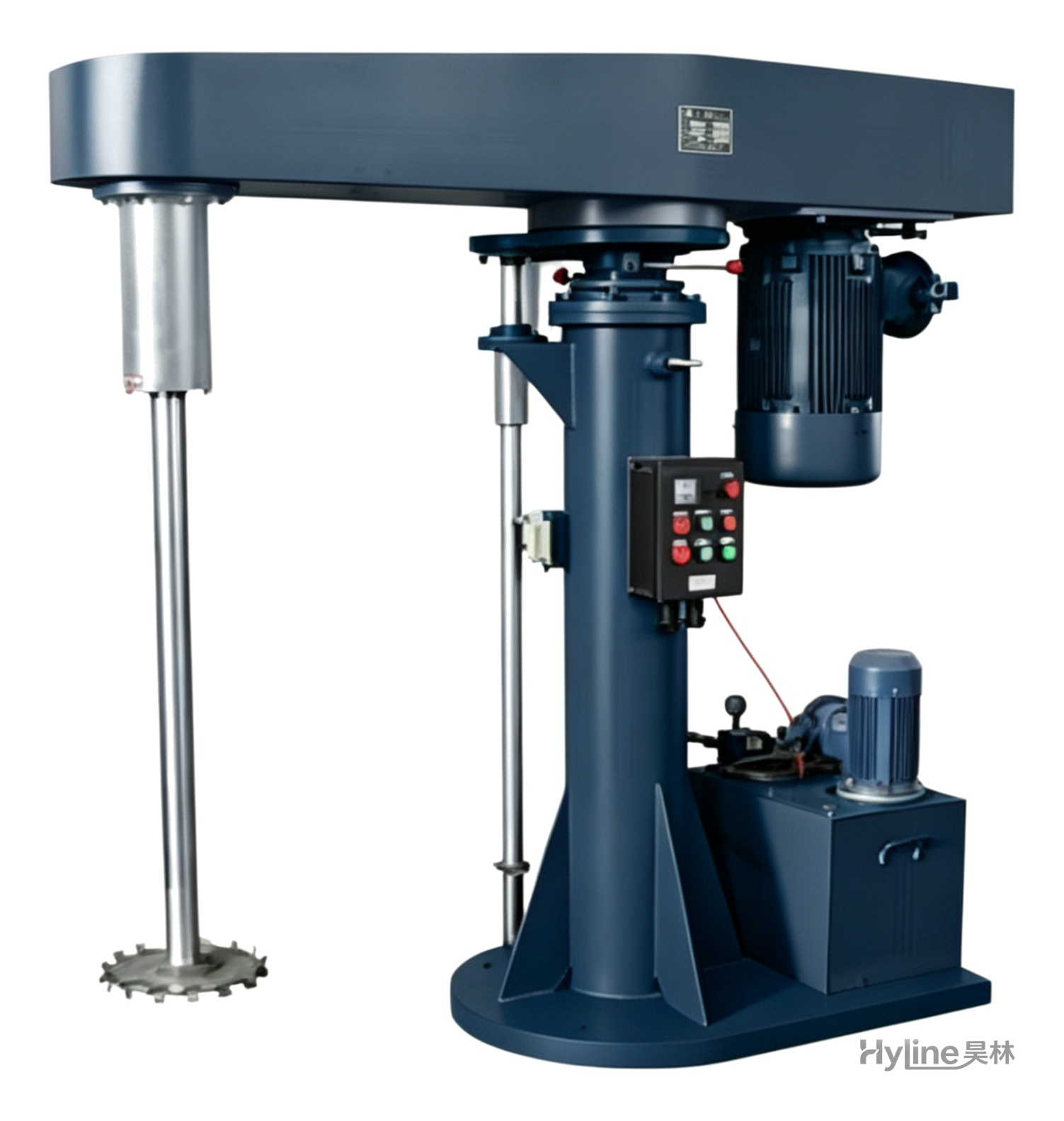
FL Series High-Speed Disperser
Stirs, dissolves and disperses liquids and powders, working alone or matched with sand mills. Variable-frequency drive with hydraulic lift, widely used in paints, inks, coatings, dyestuffs and papermaking.
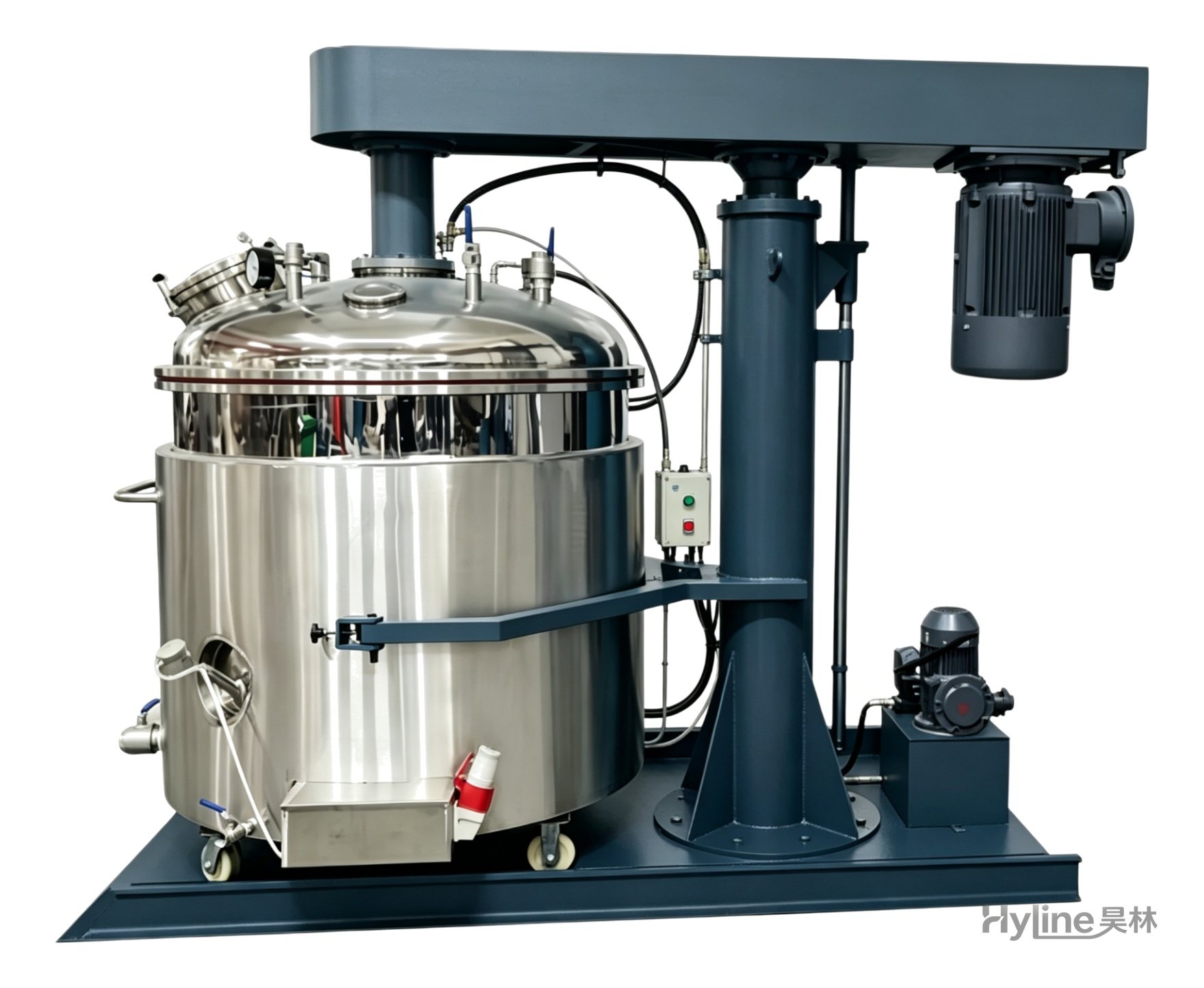
FL Series Vacuum Disperser
Designed for bubble-rich materials and volatile solvents. Vacuum dispersion reduces bubbles and solvent evaporation, accelerates fineness and rapidly defoams. Simple structure, high vacuum, easy operation.
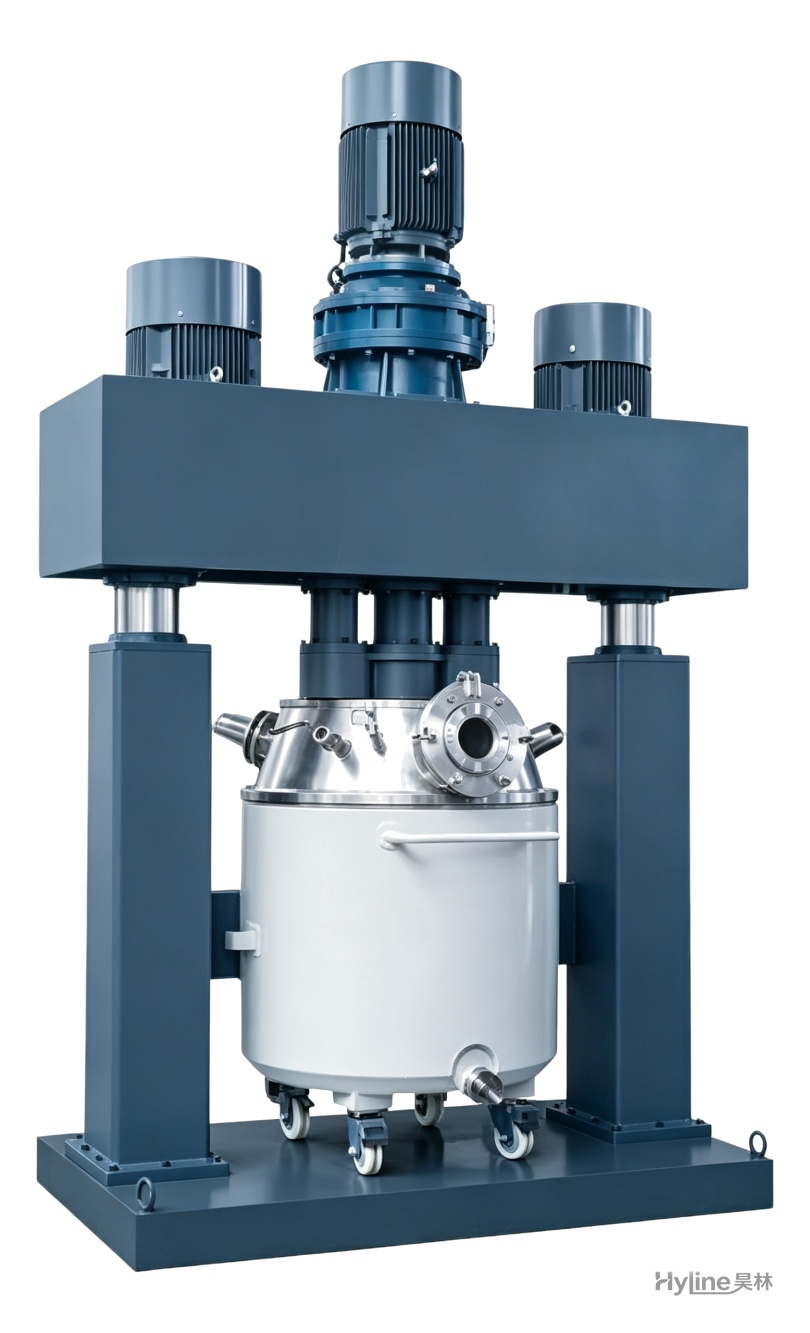
QLF Series Powerful Triple-Shaft Disperser
Two high-speed dispersers plus wall/bottom scraping create complex material flow for rapid dispersion and grinding. Handles high-viscosity pastes of 10,000-2,000,000 cps - widely used for silicone sealants, PU sealants, liquid silicone and electronic adhesives.
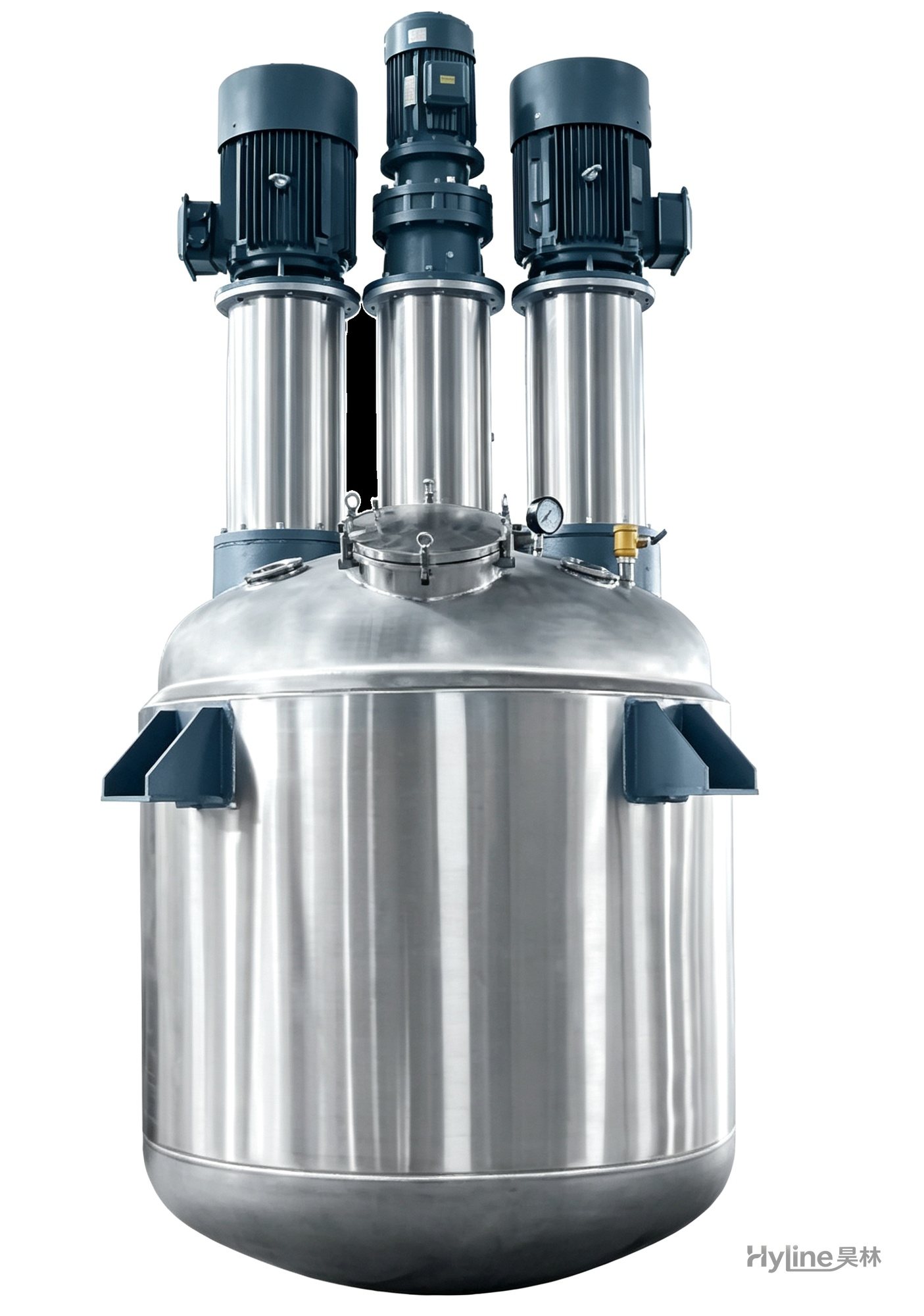
FS Series Multifunctional Dispersing Kettle
Integrates low-speed heavy-duty stirring with high-speed dispersion for medium/high-viscosity and thixotropic materials. Stirring and dispersion proceed simultaneously for ideal results in mixing, dissolving, dispersing and tinting.