
How to Passivate and Electropolish Stainless Steel Equipment? Key Processes for Corrosion Protection and Cleanliness
10/9/2026
How to Passivate and Electropolish Stainless Steel Equipment? Key Processes for Corrosion Protection and Cleanliness
Stainless steel reactors, storage tanks and mixing tanks in chemical, food and pharmaceutical production lines all go through one surface treatment before leaving the factory: pickling and passivation plus interior polishing. This process directly decides how many years the equipment lasts, whether materials get contaminated and whether cleaning can meet standards. Conclusion first: pickling and passivation solve both corrosion protection and cleanliness, and the polishing grade is set by working conditions — an interior roughness of Ra 0.4–0.8 μm is generally enough for ordinary equipment, with pharmaceutical and food conditions going one grade lower. This article explains how to choose the process, set the grade and know when re-treatment is needed.
### What problem does pickling and passivation actually solve?
Stainless steel's "non-rusting" property relies on a chromium oxide film only a few nanometres thick on the surface. During welding, machining and transport, this film is damaged and the surface retains welding slag, oxide scale and oil. Pickling and passivation means first cleaning the surface, then letting chromium regenerate a complete passive film — the two steps together are what is called pickling and passivation. Equipment that skips this step can show rust spots around welds within a year, especially in chloride-ion environments such as brine and disinfectant-cleaning scenarios, where rust points spread quickly.
### Are pickling and passivation the same thing?
They are not the same, but in production they are usually done in sequence. Pickling uses a nitric acid and hydrofluoric acid solution mixed in proportion to dissolve surface oxide scale and impurities, exposing clean stainless steel substrate; passivation uses a mainly nitric acid solution to generate a dense chromium oxide passive film on the surface. Pickling is "decontamination", passivation is "film formation" — pickling first, passivation second, and the order cannot be reversed. In practice there are also passivation pastes that skip pickling, suitable only for local repair; before whole machines leave the factory, full-tank pickling and passivation is generally still the standard.
### What common pickling and passivation processes exist?
Three approaches are common: immersion, circulation and brushing. Small tanks and parts use immersion — the workpiece is fully soaked in the pickling bath, giving the most uniform treatment; large tanks use circulation — the acid solution is pumped into the tank and flushed across the inner wall, suitable for equipment that is hard to immerse such as vertical storage tanks; field repair or local weld treatment uses brushing — passivation paste is applied to the specified position, short treatment time but average uniformity. Which one to choose mainly depends on equipment size and site conditions; manufacturers generally set the process route by volume and opening size.
| Process | Suitable objects | Uniformity | Time cost |
|---|---|---|---|
| Immersion | Small/medium tanks, parts, fittings | Good | Medium |
| Circulation | Large vertical storage tanks, reactors | Fairly good | Medium |
| Brushing | Welds, local repair, field work | Average | Low |
### How is the interior polishing grade set?
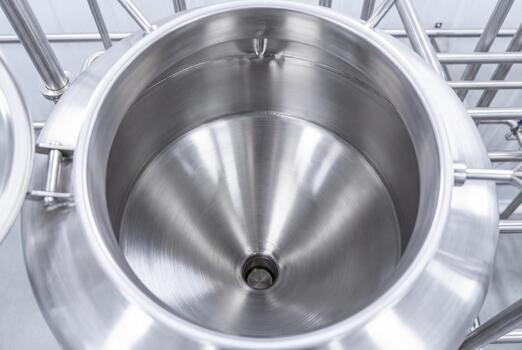
Polishing grade is expressed by the surface roughness Ra value, in micrometres — the smaller the value, the smoother the surface. General chemical conditions with an interior of Ra 0.6–0.8 μm are sufficient; food and beverage conditions recommend around Ra 0.4 μm; pharmaceutical and biopharmaceutical often require below Ra 0.4 μm together with electropolishing. Polishing is not just about looks: smooth surfaces are less prone to material hang-up, leave fewer residues and make CIP cleaning more efficient, and weld areas especially must be ground flat, otherwise accumulated material becomes a hiding place for microorganisms. The photo below is a real shot of a tank inner wall after polishing, with the weld zone basically level with the parent metal.
### Which parts most need surface treatment?
Not every surface needs high polishing; key positions need key treatment. The tank inner wall and welds are the most critical since they directly contact materials; manholes, sight glasses, inlet/outlet flanges and sealing faces also need polishing because these positions accumulate material easily and are easily inspected; mixing shafts, impellers and coil outer walls equally need treatment — rough surfaces hang material and increase cleaning burden. The outer wall generally only needs pickling and passivation without polishing, or a matte finish, because it does not contact materials and polishing cost is unnecessary.
### When is re-passivation needed?
After the equipment is put into service, the passive film thins due to long-term high temperature, strongly corrosive media or mechanical wear. Re-treatment should be considered in three situations: visible rust spots appear on welds or the tank body; the surface turns "grey" after cleaning and water hangs unevenly; or welds are re-welded after major overhaul and disassembly. Before re-passivation, first grind away the surface rust spots, then run pickling and passivation again by the original process. In daily maintenance, neutral cleaning agents and avoiding high-chloride cleaning liquids visibly extend the passive film's life.
### Cleanliness requirements for food and pharmaceutical conditions
The food and pharmaceutical industries demand stricter surfaces because they must satisfy hygiene standards and validation requirements. Food conditions focus on material hang-up and cleaning dead zones, requiring an interior of around Ra 0.4 μm, dead-zone-free tank bottoms and drainable nozzles; pharmaceutical conditions, besides surface roughness, require material certificates, passivation reports and surface treatment records, and some scenarios use electropolishing plus passivation in two steps. When purchasing, describing the working conditions clearly lets the manufacturer get the surface treatment plan right; otherwise rework at site doubles both cost and time.
### How to prevent common pickling and passivation quality defects?
The surface treatment stage is most prone to four problems: over-pickling, residual acid, surface staining and uneven passive film. Over-pickling happens when immersion time is too long or acid concentration too high, making the surface grey and dull, even risking intergranular corrosion; residual acid comes from incomplete rinsing — acid hiding in dead corners and weld gaps reacts with materials after commissioning and changes material pH; surface staining is mostly oil not removed before pickling, leaving marks from acid reacting with oil; uneven passive film is caused by uneven temperature or insufficient passivation time, giving a film of varying thickness and reduced corrosion resistance. Prevention all lies in process parameters: acid concentration, temperature and time are set by material grade and tank size; immediately after pickling, rinse repeatedly with clean water or deionized water to neutralize residual acid; finally check that surface pH is neutral before moving to the next step.
### Surface treatment differences between stainless steel grades
304 and 316L have broadly the same surface treatment process, but parameters and acceptance standards differ. 304 has higher carbon content and slightly higher intergranular corrosion risk during pickling, so acid concentration and immersion time must be controlled more strictly; 316L contains molybdenum, giving stronger pitting resistance and a more stable passive film after pickling and passivation, performing better in chloride environments. Low-carbon grades such as 304L and 316L have low weld sensitization tendency; pickling and passivation after welding restores weld-zone corrosion resistance more thoroughly. When purchasing, state the material grade clearly — tank bodies in 316L with nozzles and flanges in 304 is a common combination in one line, and surface treatment parameters are set separately for each grade; one set of parameters cannot cover everything.
### How much does surface treatment affect equipment life?
Let the data speak: whether surface treatment is done properly can make equipment life differ several times over. In chloride environments, un-passivated or incompletely filmed surfaces can develop pitting within half a year to a year, while surfaces with proper pickling and passivation plus reasonable polishing can stay bright for five to ten years under the same conditions. Weld zones are the weakest position — welds without pickling and passivation let welding slag and oxide scale become corrosion starting points, rusting first from weld edges then spreading to the parent metal. Cleaning efficiency is directly affected too: the smoother the surface, the less material hangs, the shorter CIP cleaning time and the lower cleaning-agent consumption — this is especially visible in the food and pharmaceutical industries.
### What are the factory inspection and vessel documentation requirements?
Acceptance is not only about surface appearance; documentation must also be complete. Factory inspection generally covers four items: surface roughness measurement records, pickling and passivation process records, material certificates, and pressure test records (for pressure vessels). Food and pharmaceutical customers also require polishing reports and passivation validation records, and some export projects require third-party test reports. On receipt, check items one by one against the contract list; note missing documentation on the acceptance sheet and sign only after completion. Record the passivation date in the operation file as the reference for the next re-passivation cycle, so equipment maintenance is documented.
### How to accept surface quality on site?
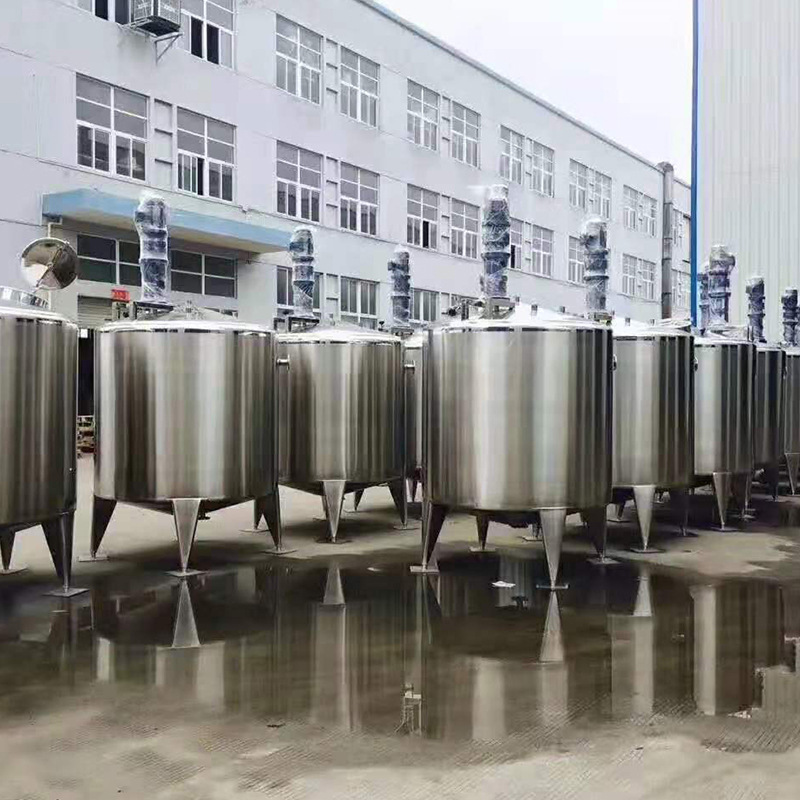
Acceptance is done in three steps: look, touch, measure. Look for rust spots, discoloration and welding slag residue on welds, and scratches on the inner wall; touch whether the surface is smooth, focusing on welds and corners; if conditions allow, use a roughness gauge to measure Ra values and sample several points against the contract value. Also check the factory documentation: pickling and passivation records, polishing grade reports and material certificates must be complete. Site acceptance is best done before installation, when the inner wall and welds are fully visible; once piping is installed, inspection relies on endoscopes. Below is a real on-site shot of a tank-farm complete machine, showing the finished appearance of large-tank surfaces after treatment for reference.

### Summary
Pickling and passivation plus interior polishing are standard pre-delivery processes for stainless steel equipment, not an optional extra. Pickling decontaminates, passivation forms the film, polishing controls roughness — combine the three by working condition, generally Ra 0.6–0.8 for chemical, Ra 0.4 for food, and below Ra 0.4 with electropolishing for pharmaceutical. When purchasing, describe the media, temperature and cleaning method clearly; at acceptance, check by the three-step look-touch-measure method; both equipment life and cleanliness level can then be guaranteed. For stainless steel reactors, mixing tanks and storage tanks needing non-standard surface treatment plans, polishing grades and passivation processes can be customized to the working conditions.
Further reading: - How to arrange mixing tank nozzles: tank-top nozzles and maintenance space design points - How to overhaul a reactor agitation system: mixing shaft, mechanical seal and blade assembly points
This article is compiled by Shenzhen Hyline Equipment Manufacturing Co., Ltd. (hyline.cn); all information rights belong to the original authors. Main products: stainless steel reactors, mixing tanks, storage tanks, dispersers, concentration tanks and complete chemical process lines; custom (non-standard) manufacturing supported.
Q&A from this article
Frequently asked questions and answers from this article
Polishing grade is expressed by the surface roughness Ra value, in micrometres — the small…
Related Products

Jacketed Reactor
The typical main reaction vessel in chemical production. Mixing, heating and cooling disperse and mix materials for reaction and polymerization. The jacket circulates thermal oil/steam for heating or cooling water for temperature control.
External Half-Coil Reactor
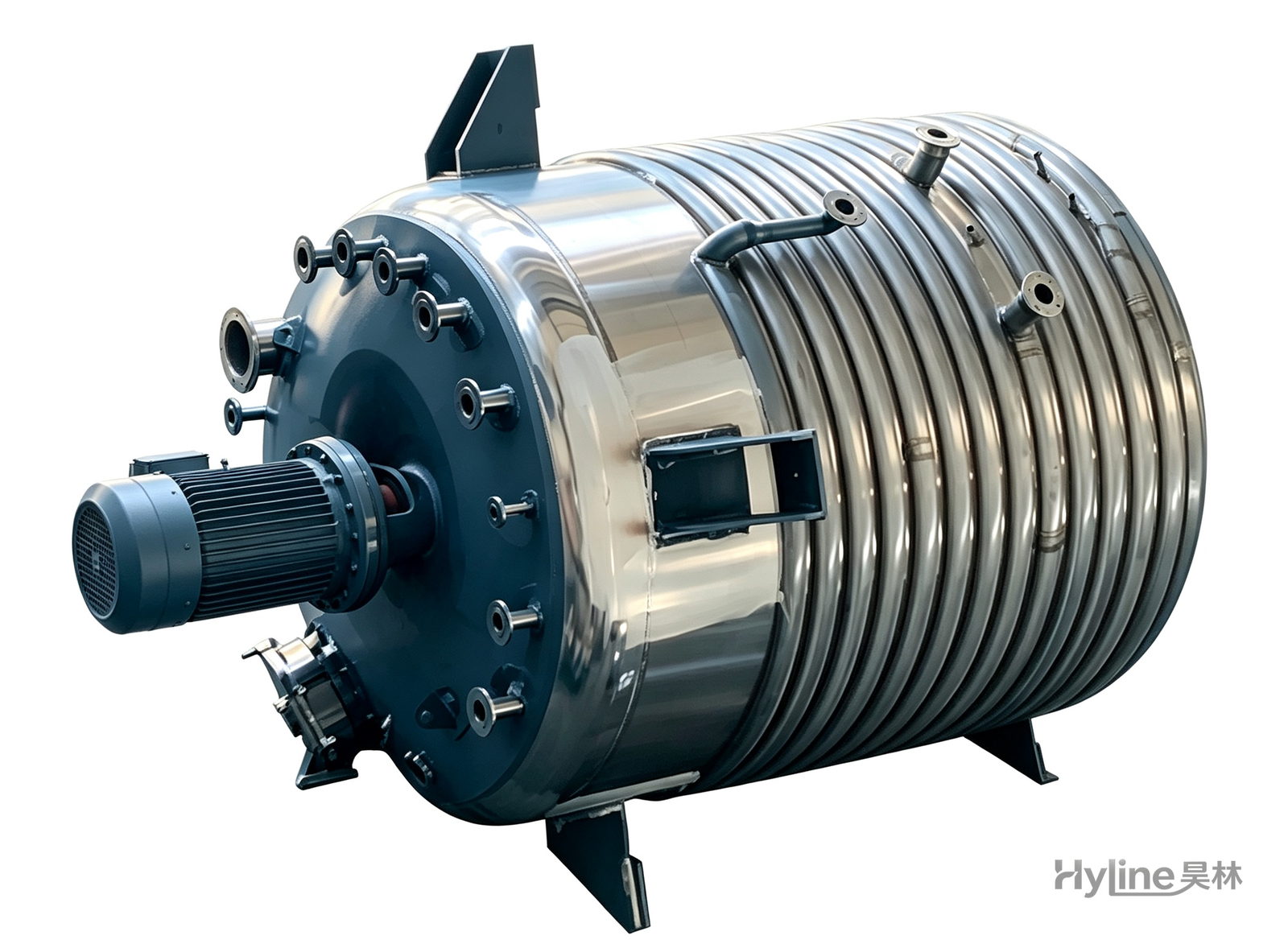
External half-pipe heating & cooling coils provide uniform, efficient heat exchange with zero material dead zones inside. Mirror-polished 304/316L stainless tank is clean and corrosion-resistant. For resin, new-energy slurry and pharmaceutical synthesis.

Stainless Steel Mixing Tank (Dispersion Drum)
Supporting vessel for dispersers and mixers in paints, coatings, adhesives, color slurries, inks and electronics. Available in 201/304 stainless with internal/external polishing and sloped bottom side discharge for complete draining.
IBC Tank (Intermediate Bulk Container)
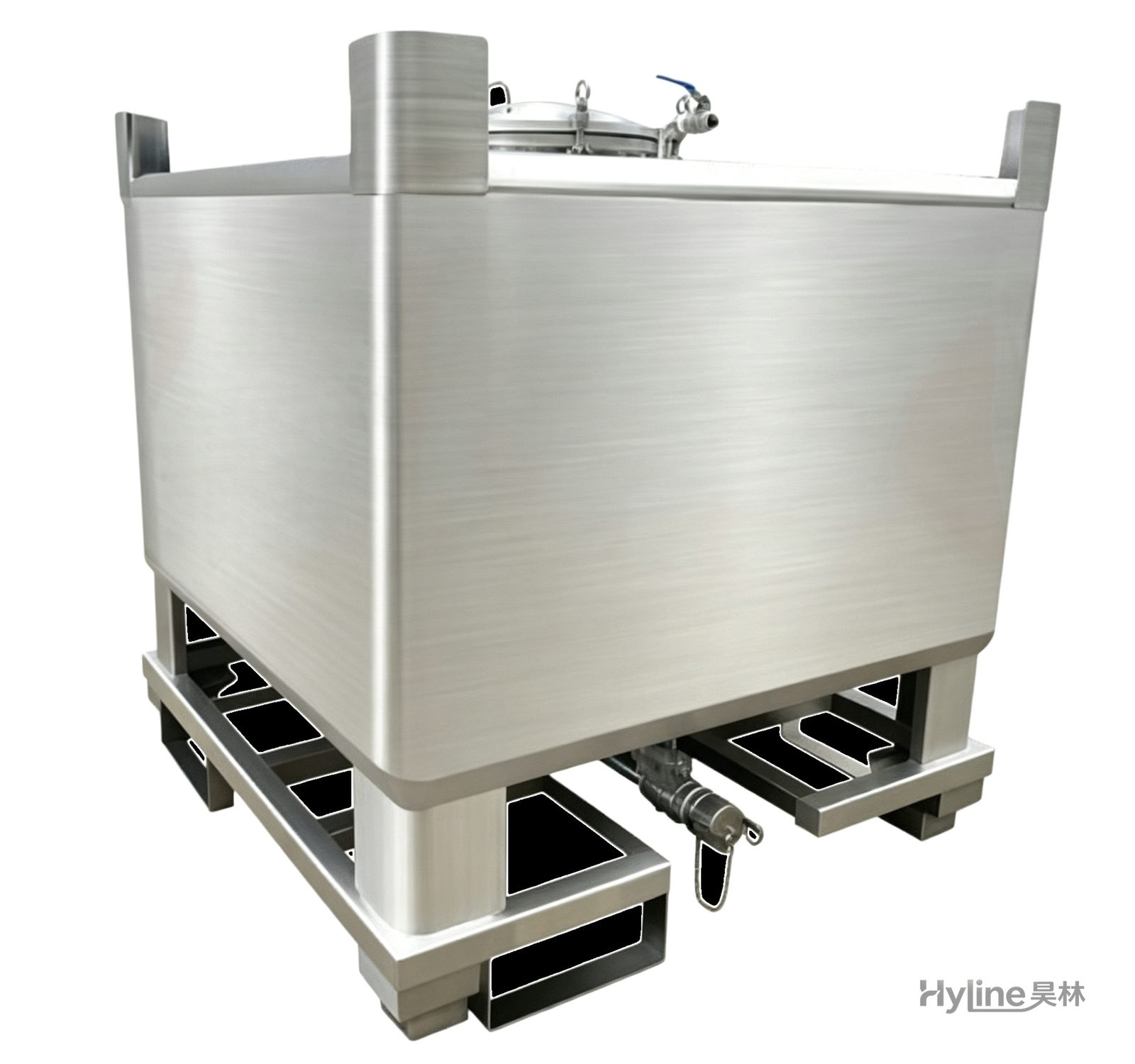
HDPE blow-molded liner with hot-dip galvanized steel frame - UV resistant, anti-aging, easy to clean, non-toxic. Four-way fork base for easy handling and stacking; ideal for liquid storage and transport.
Horizontal Mixer
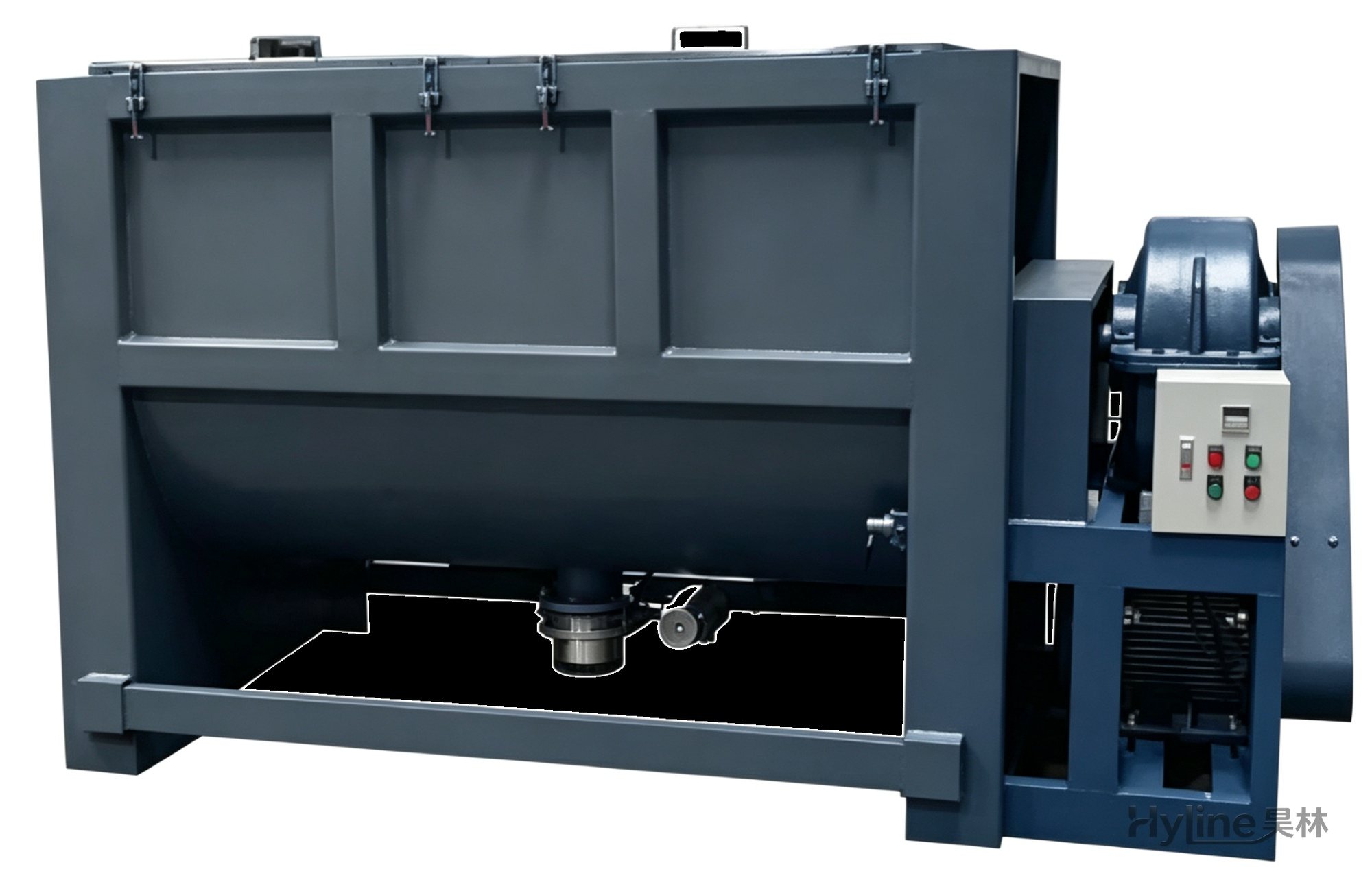
For color blending of plastic pellets, new/old materials and additives. Single-layer for mixing; double-layer with oil heating of 50-150℃ (custom up to 300℃). Ideal for PVC/PP/PE pellets and chemical powders such as calcium carbonate and titanium dioxide.